The Backbone of Medium-Duty Material Handling
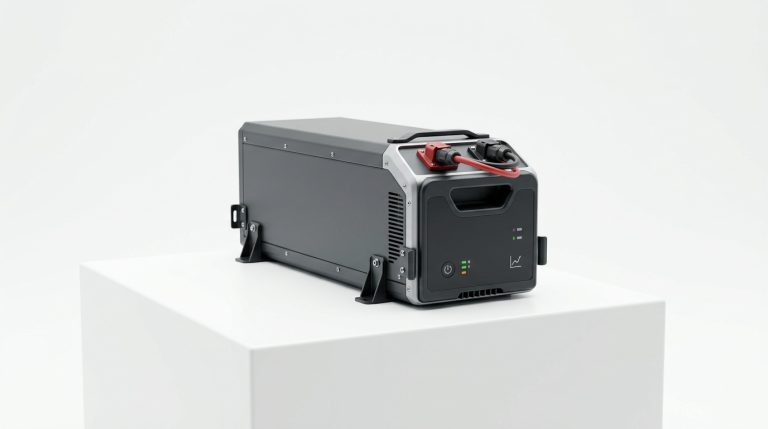
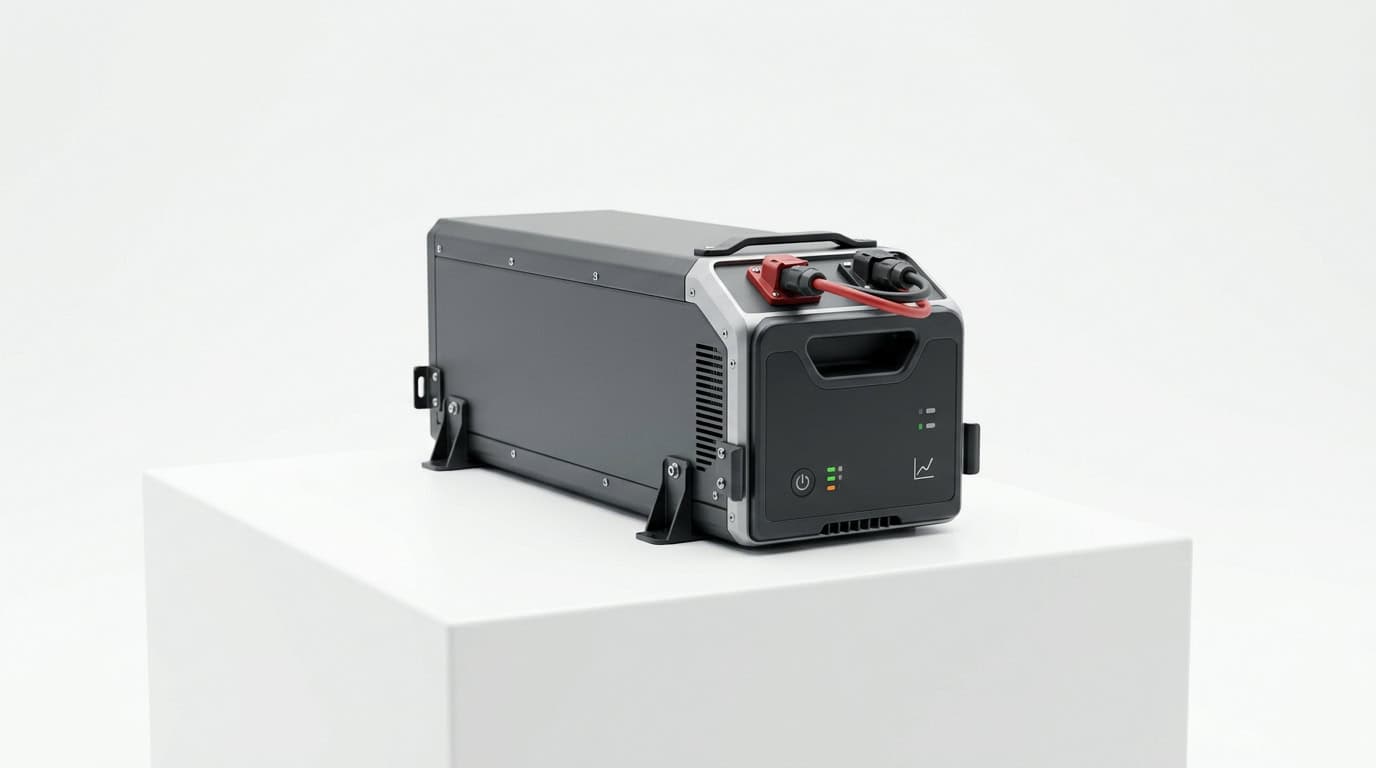
When it comes to powering 3-wheel and 4-wheel sit-down counterbalance forklifts, the 48V battery system is the undisputed industry standard. Striking the perfect balance between sustained power output and energy efficiency, 48V systems are the workhorses of manufacturing plants and logistics centers globally.
Why 48V? The Physics of Forklift Power
In electrical systems, Power (Watts) equals Voltage (Volts) multiplied by Current (Amps). To lift a 2-ton pallet, a forklift motor requires a massive amount of power. If a forklift used a lower voltage (like 24V), it would need to pull twice the current (Amps) to achieve the same lifting power. High current causes excessive heat generation and requires much thicker, heavier copper cabling.
By stepping up to a 48V architecture, forklift manufacturers can reduce the current draw by half. This results in cooler operating temperatures for the motor controller, less energy wasted as heat, and significantly longer runtimes per charge.
Lead-Acid vs. LiFePO4 in 48V Systems
While 48V lead-acid batteries have been used for decades, they suffer from severe voltage sag. As a lead-acid battery discharges, its voltage steadily drops from 48V down to 42V or lower. This forces the forklift motor to pull more amps to compensate, sluggishly reducing lifting speeds near the end of a shift.
ZOSPOWER’s 48V LiFePO4 solutions maintain a flat discharge curve. The voltage remains consistently near 51.2V (the nominal voltage of a 16-cell lithium pack) until the battery is nearly depleted. This ensures that a forklift operator experiences the exact same hydraulic lifting speed at 4:00 PM as they did at 8:00 AM.
Conclusione
Upgrading to a 48V lithium-ion system not only provides consistent performance but also unlocks the ability to opportunity charge during shift changes, virtually eliminating the need for a dedicated battery room.