Electrificación de carretillas elevadoras AGV y AMR: impulsando la automatización de almacenes de última generación
La automatización de los almacenes ha pasado de ser un lujo futurista a convertirse en una necesidad operativa. Impulsados por las implacables presiones de los envíos del comercio electrónico, las limitaciones de espacio y la persistente escasez de mano de obra industrial, los centros logísticos de todo el mundo están implantando rápidamente Vehículos guiados automáticamente (AGV), Robots móviles autónomos (AMR), y Carretillas elevadoras guiadas automáticamente (AGF) para gestionar el transporte continuo de palés, la clasificación y las estanterías de gran altura.
Sin embargo, la rentabilidad económica de las inversiones en robótica, que requieren un elevado capital, depende de un parámetro fundamental: disponibilidad de los equipos y fiabilidad del suministro eléctrico. Una carretilla elevadora robótica que queda inmovilizada por una batería agotada, alarmas de sobrecalentamiento o ciclos de recarga lentos provoca al instante un cuello de botella en las líneas de clasificación automatizadas.
Mientras que las flotas de manipulación de mercancías más antiguas dependían de baterías convencionales de electrolito líquido baterías de tracción de plomo-ácido, la manipulación robótica de materiales exige un paradigma electroquímico totalmente diferente: alta velocidad Sistemas de alimentación de fosfato de hierro y litio (LiFePO₄) Diseñado para una recarga automática continua según las oportunidades, telemetría por bus CAN con una precisión inferior al milisegundo y sin necesidad de mantenimiento por parte del usuario.
Este análisis del sector aborda la integración de las baterías de litio para vehículos en flotas robóticas automatizadas, los protocolos de carga automática (conductiva frente a inductiva), la comunicación entre el sistema de gestión de baterías (BMS) y el sistema de control de almacenes (WCS), y el retorno de la inversión en regímenes de varios turnos.
1. Por qué las baterías de plomo-ácido no dan la talla en operaciones automatizadas con AGV/AMR
Las carretillas elevadoras guiadas automáticamente están diseñadas para funcionar de forma autónoma de forma continua, las 24 horas del día, los 7 días de la semana y los 365 días del año. La tecnología tradicional de baterías de plomo-ácido inundadas genera cuellos de botella fatales cuando se integra en sistemas robóticos:
- Intervención humana obligatoria: Las baterías de plomo-ácido requieren reposiciones semanales de agua desionizada, cargas de ecualización y lavados manuales, lo que va directamente en contra del objetivo fundamental de la automatización sin personal.
- Tiempo de inactividad prolongado debido a la recarga: El hecho de que se requieran 8 horas de recarga seguidas de 8 horas de refrigeración química inmoviliza a los vehículos guiados automáticos (AGV) de alto valor durante más de la mitad de su vida útil, lo que obliga a disponer del doble de vehículos robóticos para mantener el rendimiento de las instalaciones.
- Caída de tensión y errores de navegación: A medida que las baterías de plomo-ácido se descargan, su tensión de salida desciende de forma significativa. En los vehículos guiados automáticamente (AGV), las caídas de tensión pueden provocar ruido en los sensores LiDAR, desviaciones en los codificadores y paradas de emergencia inesperadas por baja tensión en mitad del pasillo.
- Emisión de gases ácidos corrosivos: La formación de gases en las baterías de plomo-ácido libera vapores ácidos que corroen los delicados sensores ópticos, los espejos de navegación láser y los componentes electrónicos internos del vehículo.
2. Las ventajas del LiFePO4 en la robótica autónoma
Moderno baterías industriales de LiFePO4 Redefinir por completo el tiempo de actividad de las flotas automatizadas:
| Métrica operativa | Vehículo guiado automáticamente (AGV) tradicional de plomo-ácido | Solución ZOSPOWER de LiFePO4 de alta potencia para vehículos guiados automáticamente (AGV) |
|---|---|---|
| Aceptación de la tasa de oportunidad | De mala calidad; provoca sobrecalentamiento y sulfatación si se recarga en ráfagas cortas. | Excepcional; admite corrientes de carga rápida de 1C a 2C sin que se produzcan tensiones térmicas. |
| Interfaz de recarga automática | Requiere la extracción manual de la batería o disponer de salas de cambio de baterías. | Bases de carga automáticas integradas en el suelo o en la pared; las placas de contacto automáticas encajan a la perfección. |
| Estabilidad de la tensión durante el cambio de marcha | Se reduce de forma continua desde 100% hasta 20% de SOC. | Curva de descarga plana; par constante del motor y tensiones precisas de los sensores hasta un SOC de 5%. |
| Índice de utilización de la flota | Normalmente, entre 50% y 60%, debido a los tiempos adicionales de carga y enfriamiento. | Más del 95% de disponibilidad de la flota; recargas rápidas de 10 a 15 minutos durante los intervalos de inactividad. |
| Vida útil y retorno de la inversión | 1.200 – 1.500 ciclos (hay que cambiarlo cada 2–3 años). | Entre 3.500 y más de 4.000 ciclos con un DOD de 80% (tiene una vida útil de entre 8 y 10 años en régimen de turnos múltiples). |
3. Arquitectura de recarga automática: energía rápida para aprovechar las oportunidades
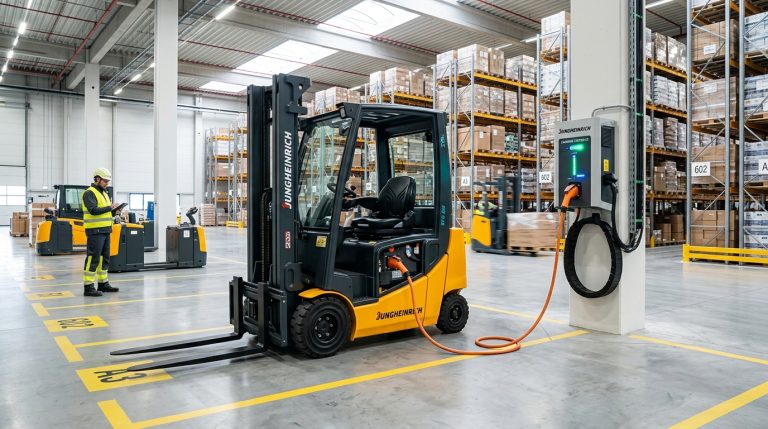
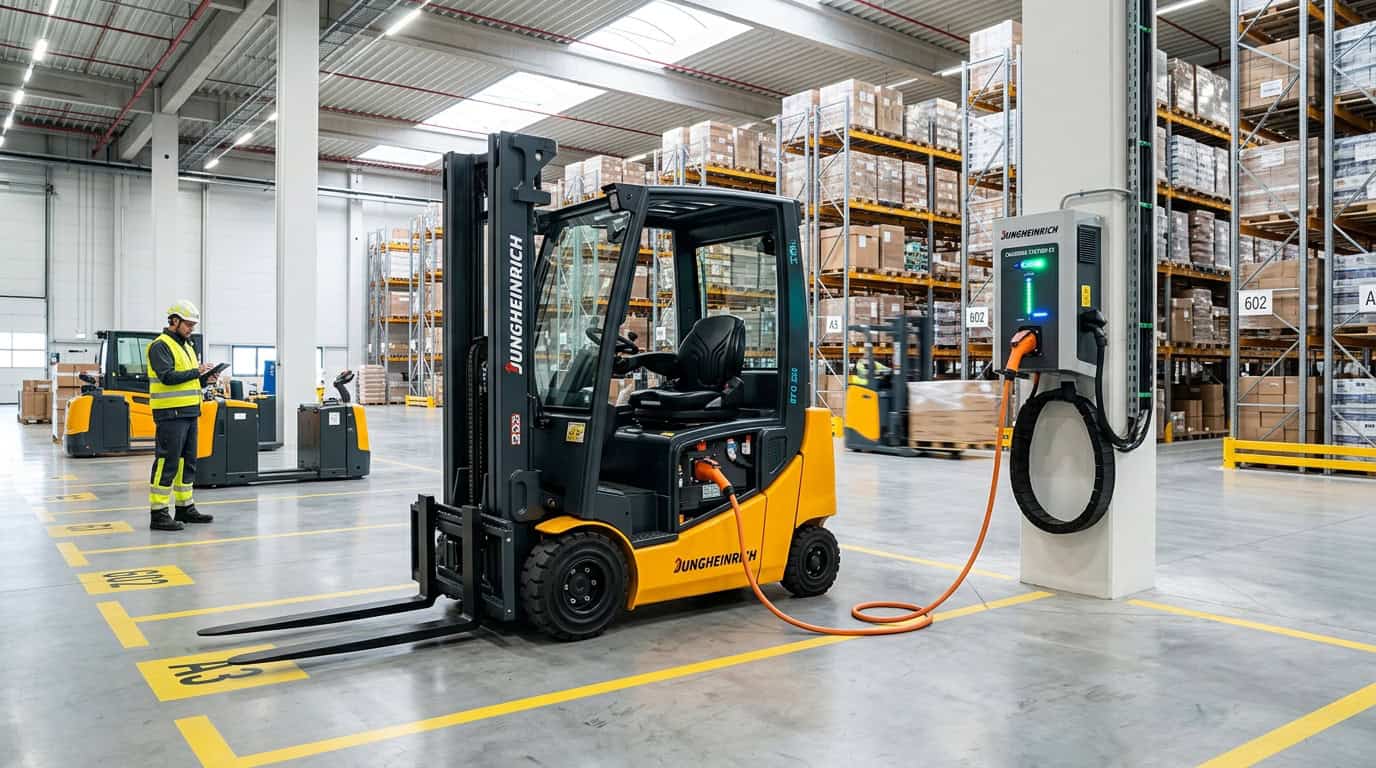
En lugar de aparcar los vehículos guiados automáticamente (AGV) en salas de recarga alejadas, los almacenes automatizados modernos utilizan estaciones de recarga distribuidas integrados directamente a lo largo de las rutas de desplazamiento automatizadas:
A. Contactos conductores automáticos (escobillas de cobre/carbono)
Las placas de contacto de cobre, instaladas en el suelo o en la pared, se acoplan a unas escobillas accionadas por resorte situadas en el chasis del AGV. Cuando una carretilla elevadora automatizada deja un palé en una estación de transferencia de la cinta transportadora o espera en una cola de inactividad, se acopla automáticamente al cargador. En tan solo 12 a 15 minutos de inactividad, un Cargador de alta frecuencia de 80 V y 100 A–200 A recarga suficientes amperios-hora para otras 2 horas de transporte automatizado continuo.
B. Integración de software de telemática de flotas y WCS
Las baterías de litio para vehículos guiados automáticamente (AGV) de ZOSPOWER se caracterizan por su uso industrial Protocolos de comunicación CANopen, J1939 y RS485. El sistema interno de gestión de la batería (BMS) transmite de forma continua datos precisos sobre el estado de carga (SOC 0–100%), los voltajes de cada celda, el flujo de corriente y la temperatura interna directamente al sistema central de control del almacén (WCS).
El algoritmo WCS envía de forma inteligente los vehículos a las plataformas de recarga únicamente durante los periodos de menor actividad programados o cuando el nivel de carga (SOC) desciende por debajo de los umbrales preestablecidos, lo que evita las interrupciones causadas por el apagado del vehículo debido a que la batería se agota en mitad de una tarea.
4. Cumplimiento de las normas de seguridad y prevención de riesgos en instalaciones sin personal
En los almacenes automatizados «lights-out», en los que no hay personal humano, la seguridad de las baterías debe ser infalible. Tal y como se describe en nuestro exhaustivo Guía de seguridad y cumplimiento normativo sobre baterías para carretillas elevadoras, Las baterías ZOSPOWER están diseñadas para cumplir con las normas UL 2580 y UN 38.3.
La composición química del LiFePO₄ se caracteriza por una estructura cristalina de olivino ultrastable que no libera oxígeno en condiciones de gran estrés, lo que elimina los riesgos de sobrecalentamiento inherentes a las celdas NMC de uso doméstico. Esto se combina con un sistema automatizado de desconexión de contactores de varios niveles y un precalentamiento térmico en bucle cerrado para logística robótica para almacenes frigoríficos Incluso a temperaturas de hasta -30 °C, las instalaciones funcionan con total tranquilidad en materia de seguridad contra incendios.
5. Biblioteca completa de ingeniería de sistemas de propulsión y modernización
Tanto si se trata de adaptar carretillas elevadoras estándar con operario como de diseñar plataformas robóticas automatizadas a medida, consulta nuestras guías técnicas:
- Tendencias generales del mercado: Tendencias del mercado mundial de baterías para carretillas elevadoras hasta 2026: por qué las flotas están adoptando las baterías de LiFePO4
- Lanzamiento de productos: Cargador inteligente de alta frecuencia ZOSPOWER de 80 V y 100 A-200 A
- Excelencia en la fabricación: Dentro de las instalaciones de fabricación de ZOSPOWER: soldadura por láser y pruebas de control de calidad al final de la línea de producción
- Normas de seguridad: Guía de seguridad y cumplimiento normativo para baterías de carretillas elevadoras: Normas UL 2580 y NFPA
- Análisis financiero: Guía para el cálculo del coste total de propiedad (TCO) y el retorno de la inversión (ROI) de las carretillas elevadoras de litio frente a las de plomo-ácido
- Conversiones de marca: Toyota | Corona | Linde | Heli y Hangcha
6. Solicitar especificaciones técnicas personalizadas para baterías de AGV y AMR
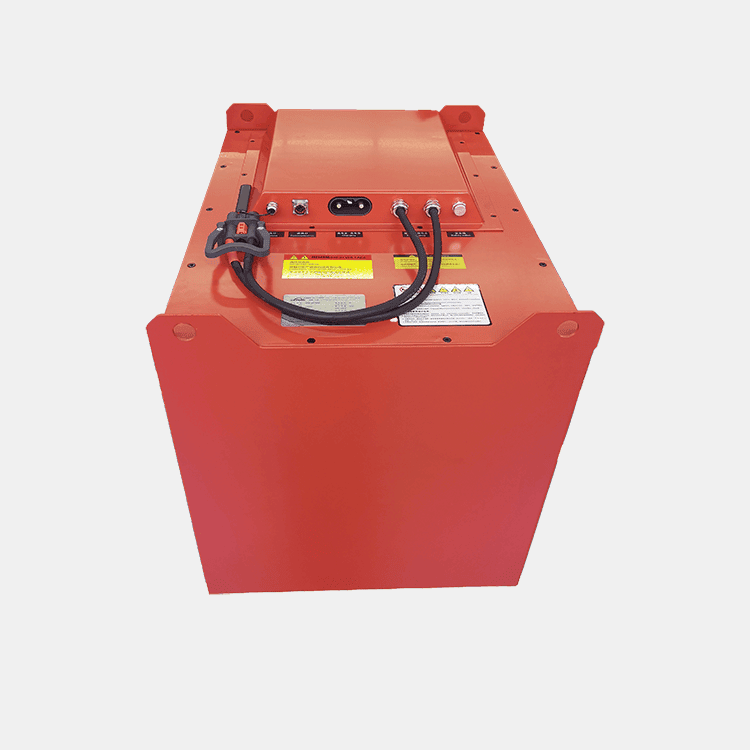
ZOSPOWER colabora con fabricantes de equipos originales (OEM) de robótica, integradores de sistemas de almacén e instalaciones de manipulación automatizada de materiales para diseñar módulos de baterías LiFePO4 personalizados de 24 V, 48 V y 80 V, equipados con contactos de carga automatizados, telemática digital y carcasas de acero de gran espesor.
¿Estás impulsando un proyecto de carretillas elevadoras automatizadas (AGV o AMR)?
Póngase en contacto con el equipo de ingeniería robótica de ZOSPOWER para obtener configuraciones de tensión personalizadas, la integración de placas de carga automatizadas, protocolos CAN-bus y acuerdos de fabricación OEM a gran escala.