Tendencias del mercado mundial de baterías para carretillas elevadoras hasta 2026: el giro hacia la electrificación con LiFePO4
El sector mundial de la manipulación de materiales y la tracción está experimentando una transición estructural sin precedentes. Impulsados por el rápido crecimiento del comercio electrónico, las estrictas exigencias corporativas en materia de sostenibilidad ESG (medioambiental, social y de gobernanza) y la escasez crónica de mano de obra industrial, los operadores de almacenes están evaluando de forma sistemática todas las facetas de la productividad de su flota.
Desde hace más de ocho décadas, inundadas baterías de tracción de plomo-ácido han impulsado las carretillas elevadoras eléctricas de todo el mundo. Sin embargo, según los datos del sector, para 2026 Las tasas de conversión del fosfato de hierro y litio (LiFePO₄) han superado la masa crítica, con más de 50% de nuevos pedidos de material rodante en los corredores logísticos de Norteamérica y Europa.
Este análisis exhaustivo del sector examina los principales factores macroeconómicos y tecnológicos que impulsan esta ola de electrificación, la eliminación gradual de las salas tradicionales de recarga de baterías y cómo los gestores de flotas industriales están afrontando la transición.
1. Tendencias macroeconómicas que redefinirán el panorama del sector de la manipulación de materiales en 2026
A. Descarbonización empresarial y reducción de las emisiones de alcance 2
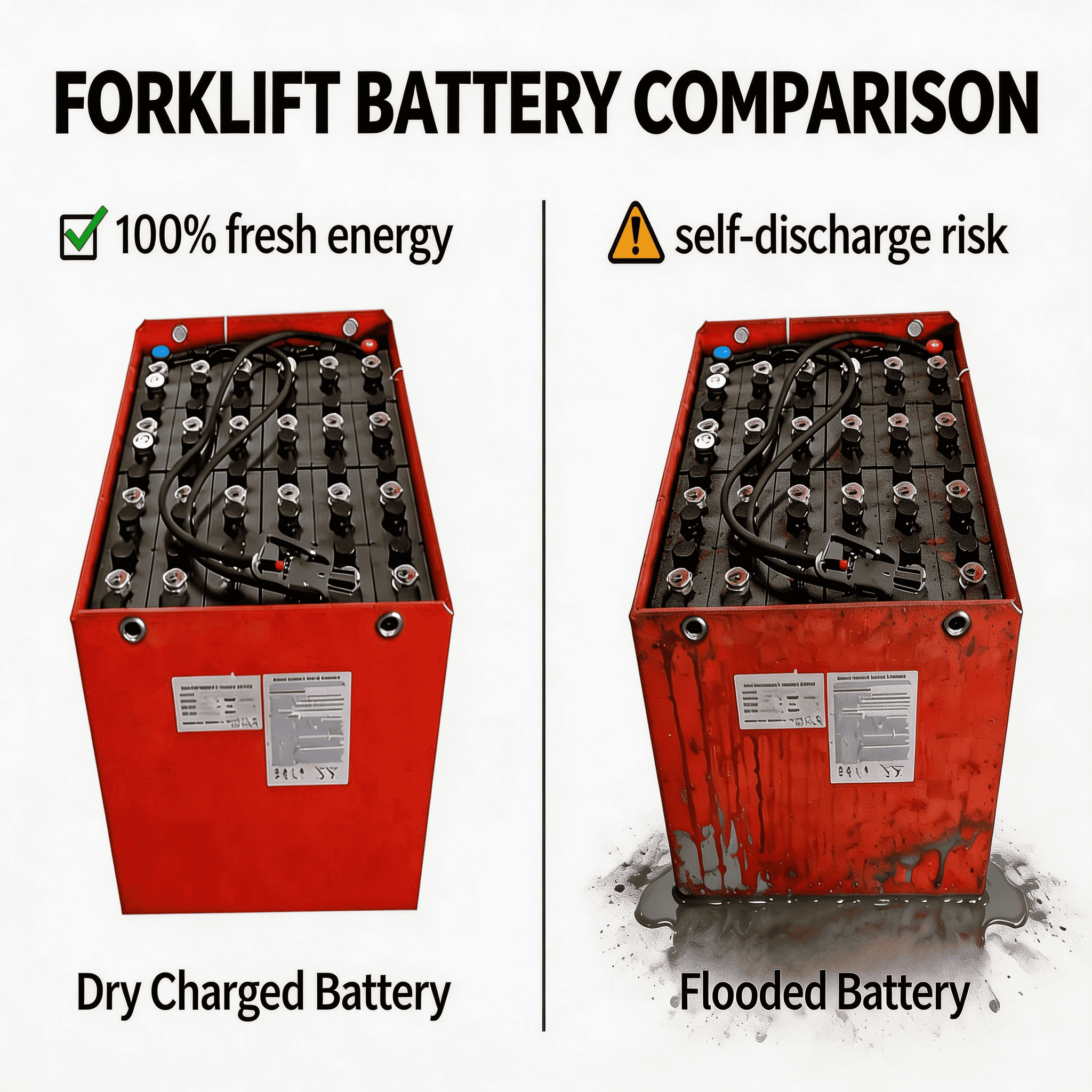
Las empresas de todo el mundo deben rendir cuentas ante sus ambiciosos compromisos de alcanzar las cero emisiones netas. La recarga de las baterías de plomo-ácido es notoriamente ineficiente: los cargadores convencionales pierden entre el 25% y el 30% de la energía eléctrica procedente de la red en forma de calor durante las fases de gasificación y ecualización.
Por el contrario, la moderna Baterías industriales de litio LiFePO4 alcanzar una eficiencia energética eléctrica de ida y vuelta de más de 95%. Combinado con alta frecuencia cargadores inteligentes de baterías, la conversión inmediata de una instalación de distribución con capacidad para 100 camiones al litio reduce drásticamente el consumo anual de electricidad del almacén en 30% o más, lo que reduce directamente las emisiones de gases de efecto invernadero de Alcance 2.
B. Eliminación de los cuellos de botella en la mano de obra y de las tareas de mantenimiento peligrosas
Las instalaciones de almacén se enfrentan a graves dificultades para retener a sus operarios. Exigir a los operarios de carretillas elevadoras o al personal de mantenimiento especializado que realicen tareas peligrosas, como la extracción de baterías, el rellenado semanal con agua desionizada, la ecualización del ácido y los lavados de neutralización, supone importantes riesgos de incumplimiento de la normativa de la OSHA y unos gastos generales de personal considerables.
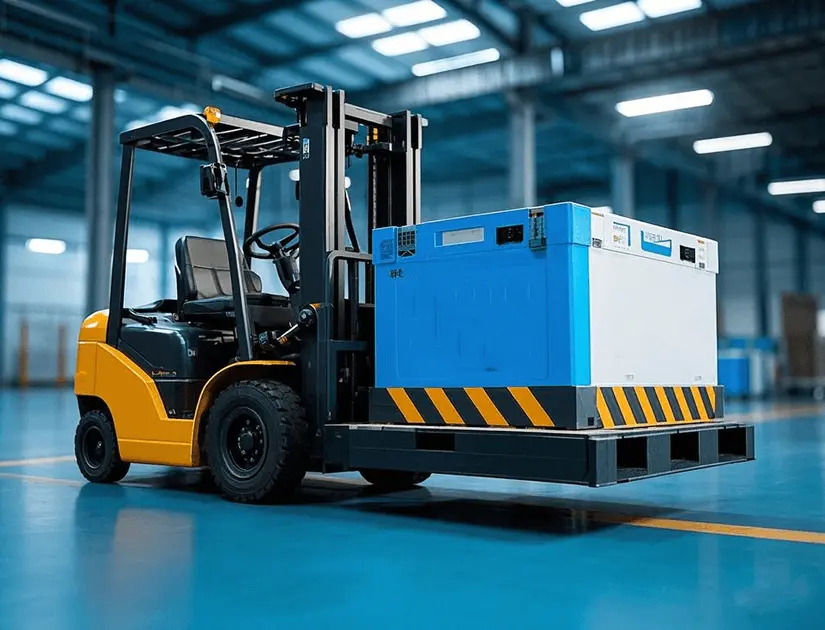
La batería LiFePO4 es del tipo 100%, está sellada y no requiere mantenimiento. Los operarios solo tienen que conectarla a cargadores de oportunidad de alta potencia durante los descansos habituales de 15 minutos, lo que elimina el tiempo de inactividad asociado al mantenimiento de la batería. Consulte nuestra Guía sobre el coste total de propiedad (TCO) y el retorno de la inversión (ROI) de las carretillas elevadoras de litio frente a las de plomo-ácido para examinar los cálculos financieros y laborales detallados.
2. Aprovechar al máximo el costoso espacio de almacén
Las tarifas de alquiler de naves industriales en los principales centros logísticos mundiales se mantienen cerca de sus máximos históricos. En las operaciones con varios turnos, el uso de carretillas elevadoras de plomo-ácido exige espacios específicos salas de cambio de pilas equipado con:
- Grúas pórtico pesadas y carros de traslado hidráulicos
- Sistemas de ventilación de gas hidrógeno a gran escala a prueba de explosiones
- Barreras de contención para derrames de ácido y estaciones de lavado de ojos de emergencia
- Varias estaciones de carga para baterías de reserva (de 2 a 3 paquetes por carretilla)
Al pasar a sistemas de conversión de litio de recambio rápido, los almacenes eliminan por completo la necesidad de disponer de baterías de repuesto y salas de recarga. Los cargadores de alta frecuencia se colocan en lugares cómodos, cerca de las salas de descanso o de los muelles de carga. Las instalaciones suelen recuperar Entre 1.500 y 4.000 pies cuadrados de superficie de almacenamiento interior de gran valor, transformando las zonas de baterías que no generan ingresos en estanterías de palés productivas.
3. Crecimiento en ciclos de trabajo exigentes y automatización
A. Logística de almacenamiento en frío y congelación
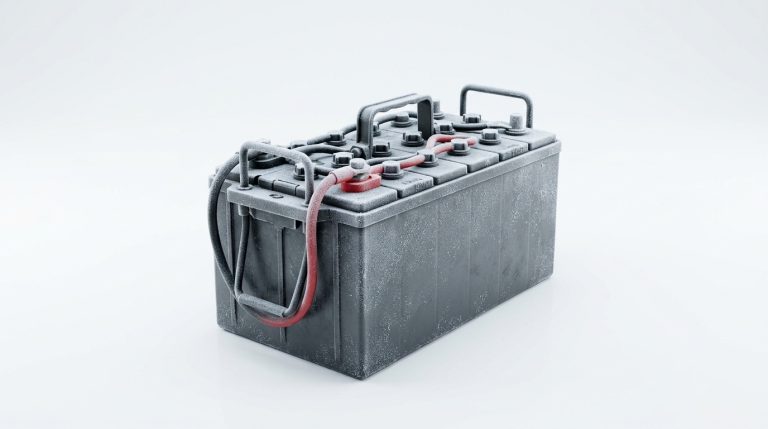
La distribución de alimentos refrigerados y las cadenas de frío farmacéuticas se encuentran entre los sectores logísticos de más rápido crecimiento. Tal y como se recoge en nuestro Guía técnica sobre baterías para carretillas elevadoras en cámaras frigoríficas, las modernas baterías de LiFePO4, equipadas con un sistema integrado de precalentamiento automático de las celdas, funcionan ahora de forma continua hasta los -30 °C sin pérdida de capacidad ni choques térmicos.
B. Robots móviles autónomos (AMR) y carretillas elevadoras automatizadas
El despliegue de carretillas elevadoras guiadas automáticamente (AGF) y de robots móviles autónomos (AMR) requiere un suministro de energía continuo y autónomo. Las plataformas de recarga automática (conductivas o inductivas) requieren una composición química estable de las baterías de litio que permita admitir corrientes de carga rápida de 1C sin que sea necesario que una persona añada agua ni realice pausas para la refrigeración.
4. Opciones de modernización de las principales marcas de carretillas elevadoras
La electrificación de las flotas no se limita a la adquisición de carretillas elevadoras nuevas. La mayoría de los proveedores de logística de primer nivel prolongan el ciclo de vida útil de sus activos actuales mediante la adaptación de carretillas elevadoras de probada eficacia con bandejas de baterías de litio listas para instalar y con contrapeso a medida:
- Flotas de Toyota: Guía de conversión a baterías de litio para carretillas elevadoras Toyota: Estabilidad y especificaciones de SAS
- Flotas de la Corona: Guía de adaptación de baterías de litio para carretillas elevadoras Crown: pasillos estrechos y de alcance
- Flotas de Linde: Guía de adaptación de baterías de litio para carretillas elevadoras Linde: bandejas de 24 V, 48 V y 80 V
- Flotas de Hyster: Guía de adaptación de baterías de litio para carretillas elevadoras Hyster: carretillas contrapesadas pesadas
- Flotas de Jungheinrich: Guía de adaptación de baterías de litio para carretillas elevadoras Jungheinrich: especificaciones DIN europeas
- Heli y Hangcha: Guía para la sustitución de baterías de litio en carretillas elevadoras Heli y Hangcha
- Infraestructura de recarga: Guía para la elección de cargadores de baterías para carretillas elevadoras: alta frecuencia frente a SCR tradicional
5. Resumen: Aspectos que deben tener en cuenta los directores de almacén en 2026
El punto de equilibrio económico entre las baterías de plomo-ácido y las de LiFePO₄ es decisivo. Aunque los costes iniciales de adquisición de las baterías de litio siguen siendo ligeramente superiores, el coste total de propiedad (TCO) revela que la inversión se amortiza en un plazo de entre 12 y 18 meses en instalaciones con varios turnos, gracias al ahorro energético, la reducción de la mano de obra y una mayor vida útil (más de 3.500 ciclos frente a los 1.200 de las baterías de plomo-ácido).
¿Estás valorando la transición de tu flota a la tecnología de litio LiFePO4?
ZOSPOWER ofrece auditorías energéticas integrales para flotas, planos de ingeniería en CAD para bandejas de baterías de fácil instalación y soluciones de recarga de alta frecuencia «llave en mano» adaptadas a sus horarios de turnos operativos.
Ponte en contacto con nuestro equipo de ingeniería de propulsión →