Why Retrofitting Outperforms Buying New Trucks
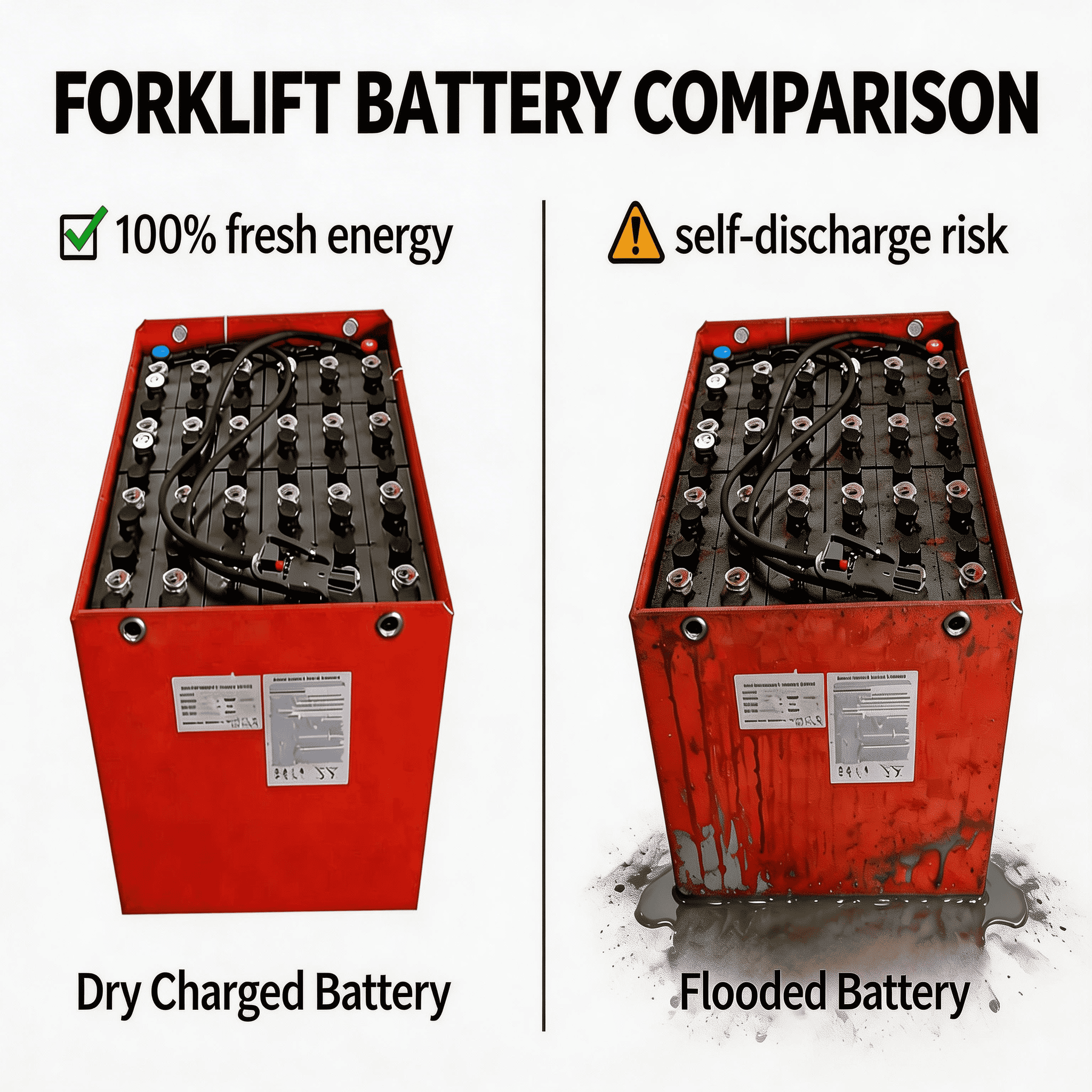
In heavy industrial operations, standard electric forklift chassis, mast hydraulics, and drive motors are built like tanks—frequently outlasting their original lead-acid battery packs by a decade. When a fleet’s lead-acid batteries degrade, purchasing entirely new electric forklifts requires enormous capital expenditure (CapEx). Forklift battery retrofitting enables warehouse managers to revitalize existing equipment at a fraction of the cost while gaining modern lithium performance.
Engineering Challenges in Drop-In Retrofits
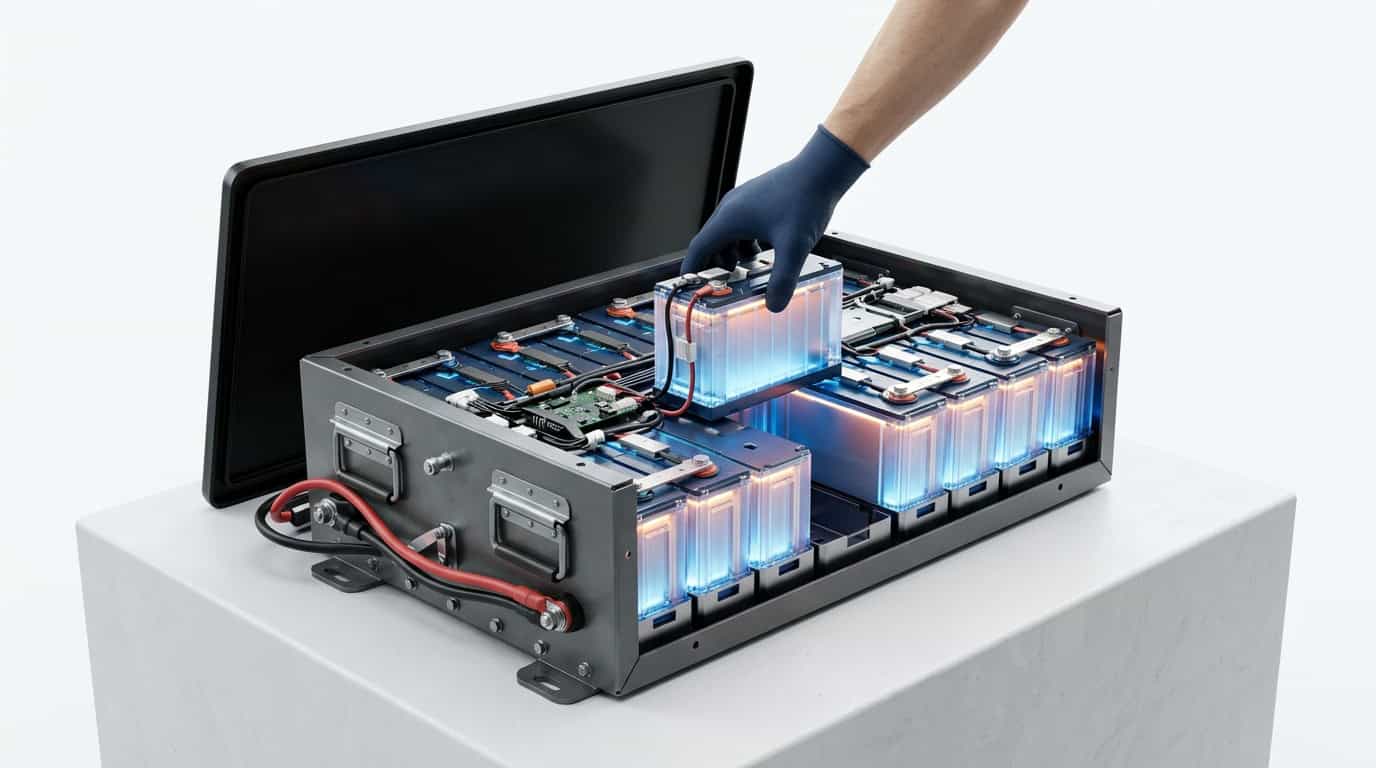
Converting a lead-acid forklift to lithium is not as simple as dropping in consumer cells. Industrial material handling demands precise engineering integration:
- Counterweight Physics & Ballast: Lead-acid batteries act as the structural counterweight for the forklift’s rated lift capacity. Because LiFePO4 cells are nearly three times lighter, a bare lithium pack would dangerously alter the truck’s center of gravity. ZOSPOWER incorporates precision-engineered solid steel ballast plates inside the battery tray, ensuring exact weight alignment with OEM chassis specifications.
- Chassis Cable Integration: Industrial trucks experience intense vibrational stresses. Retrofit packs require heavy-duty flexible high-strand copper cabling, genuine Anderson power connectors, and custom harness brackets designed for specific chassis models (Toyota, Linde, Crown, Hyster, Jungheinrich).
- Dashboard Discharge Communication: Without CAN bus integration, older analog forklift dashboards cannot accurately read the flat discharge voltage of lithium chemistry, causing inaccurate battery meters. ZOSPOWER packs include external digital display monitors or CAN-to-analog converters to feed true State of Charge (SoC) data directly to the driver’s dash.
The 4-Step ZOSPOWER Retrofit Protocol
- Compartment Dimension & Weight Survey: Engineering teams verify battery compartment dimensions (L x W x H) and minimum counterweight rating.
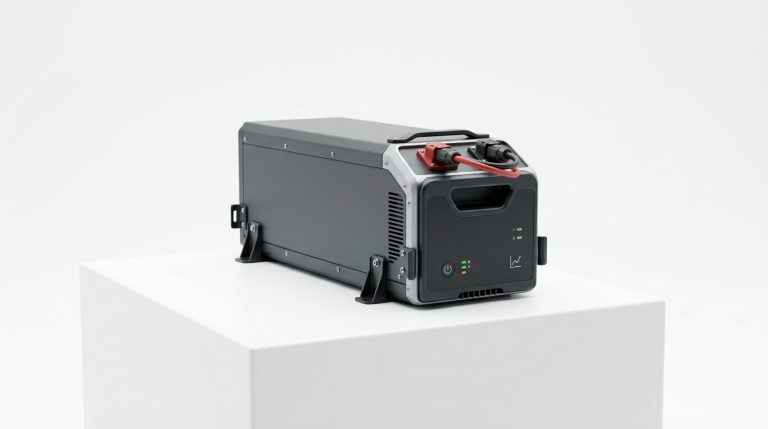
- Drop-In Pack Selection: A tailor-fitted 24V, 48V, or 80V ZOSPOWER LiFePO4 pack is selected with integrated ballast and tailored Anderson connectors.
- Fast Opportunity Charger Deployment: High-frequency chargers are installed along travel routes, completely eliminating dedicated charging rooms.
- Fleet Uptime Validation: Trucks return to immediate full-shift production with zero watering, zero acid spills, and instantaneous opportunity charging.
Repower your material handling fleet with ZOSPOWER engineered retrofit solutions.