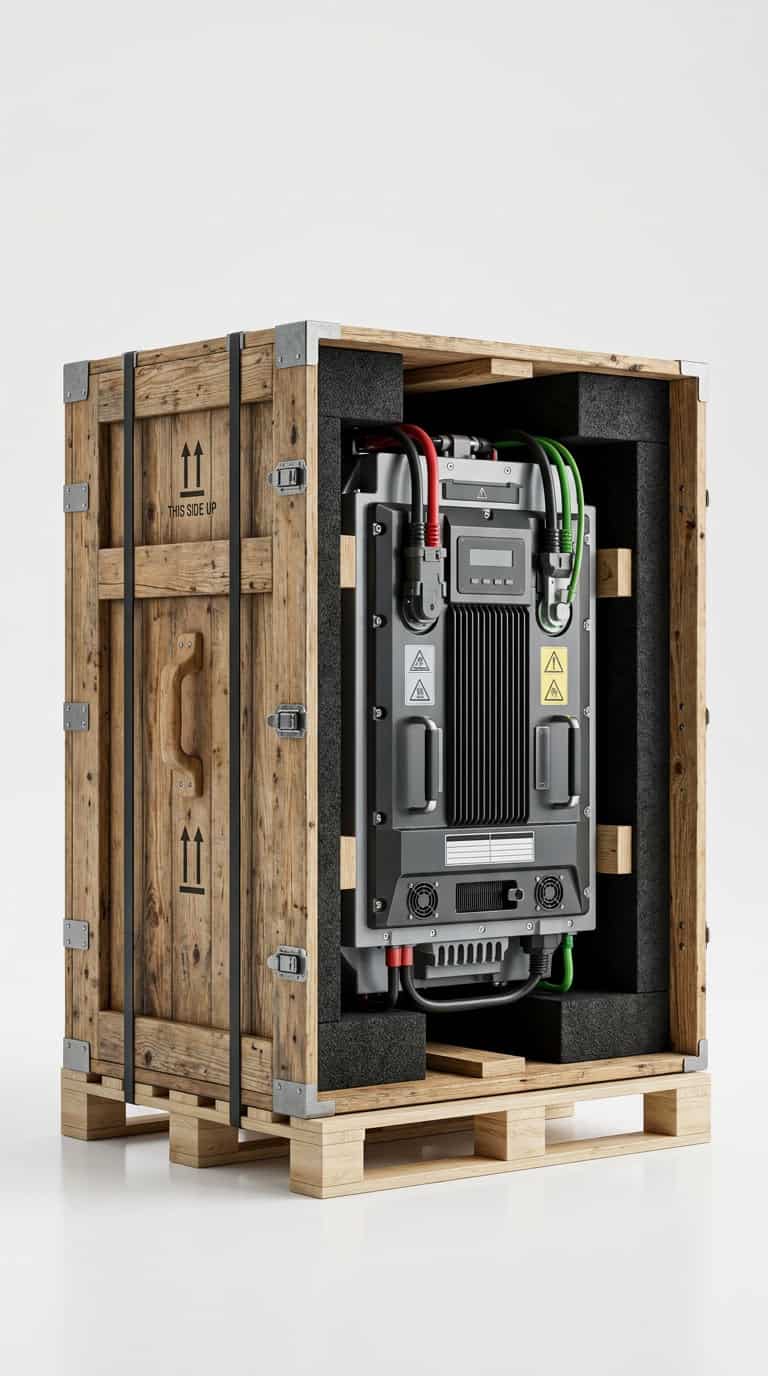
The Role of CAN Bus Communication in Smart Forklift Batteries
How Your Battery Talks to Your Forklift CAN bus is the central nervous system of modern industrial equipment…


How Your Battery Talks to Your Forklift CAN bus is the central nervous system of modern industrial equipment…
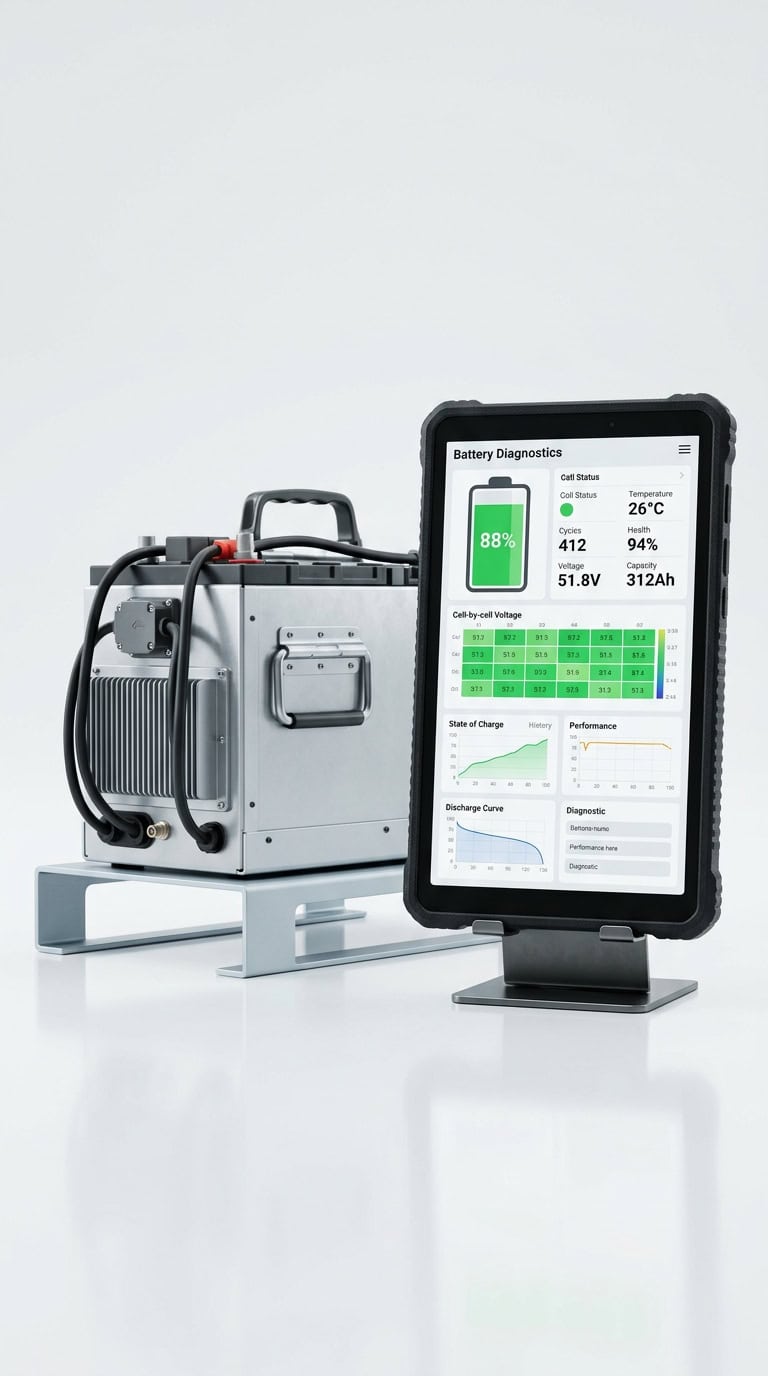
Data-Driven Warehouse Logistics Modern fleets require more than just power; they require intelligence…
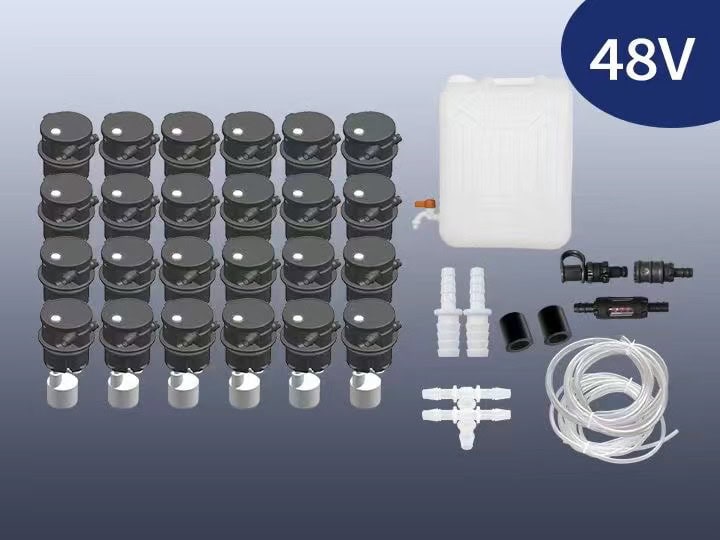
When 48V Just Isn’t Enough For standard warehouse operations, a 48V electrical system provides adequate torque. However, when dealing with extreme applications—such as lumber yards,…
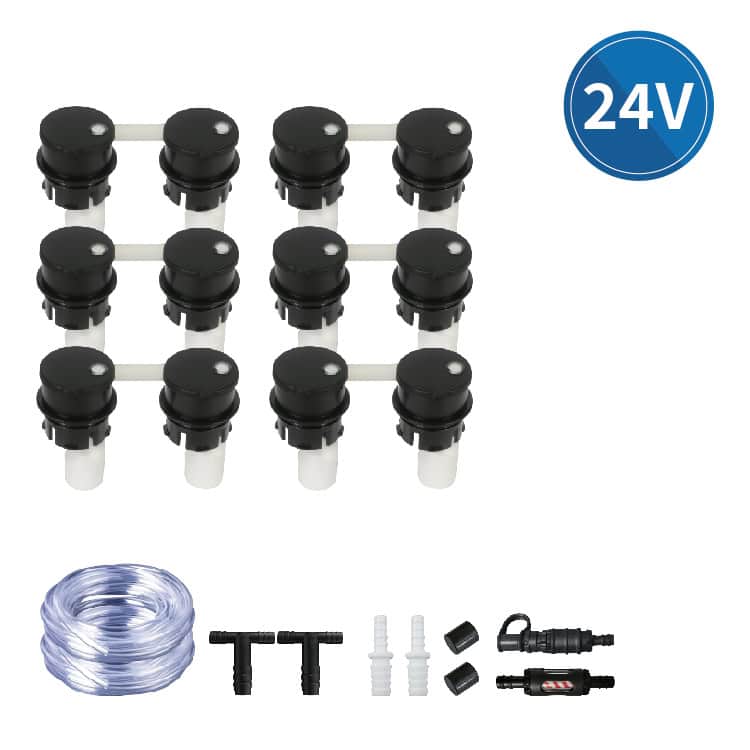
Beyond the Tailpipe: The Real Carbon Footprint Transitioning from internal combustion (IC) forklifts to electric fleets is the first step toward corporate sustainability. However, the…
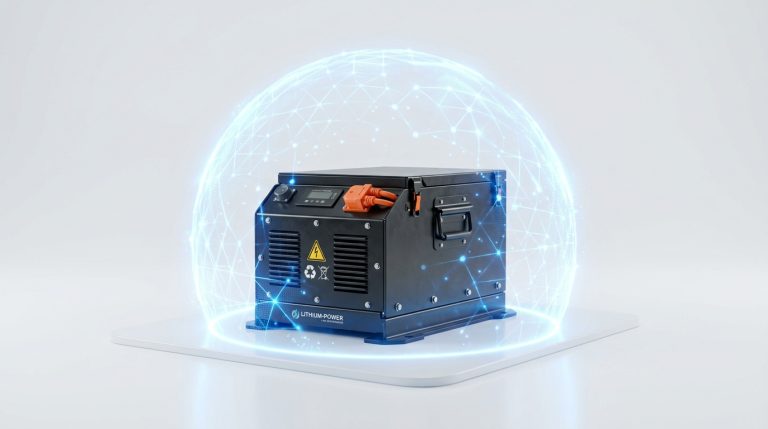
Dispelling the Lithium Fire Myth When fleet managers consider transitioning to lithium-ion forklift batteries, safety is often the first question raised. The media frequently highlights…
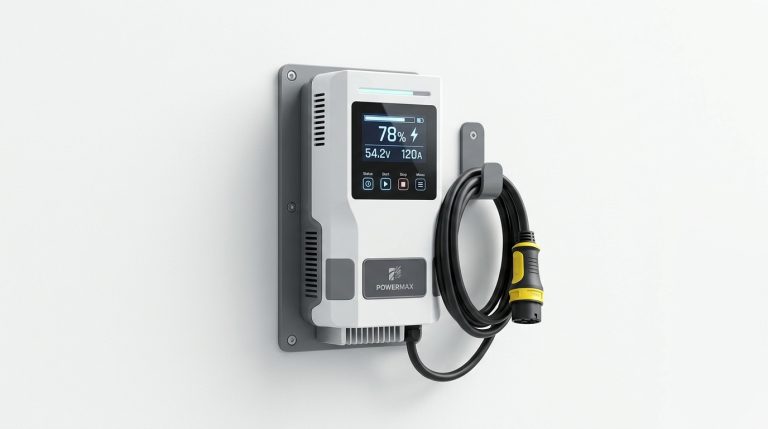
Understanding the Charging Backbone Upgrading to an advanced forklift battery is only half the equation; the battery charger is equally critical. For decades, traditional SCR…
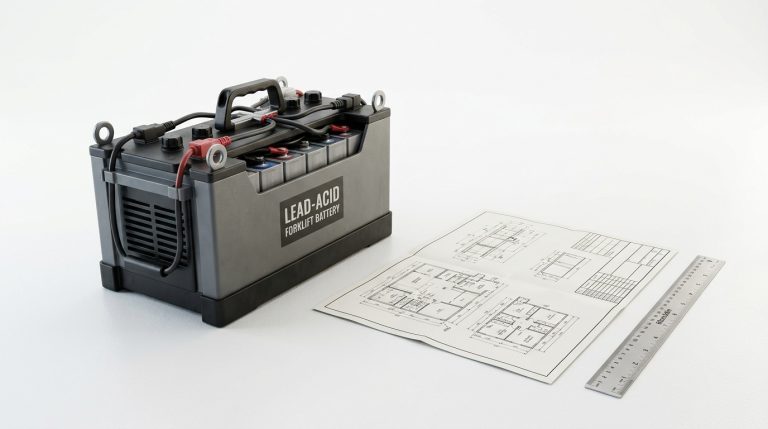
Why Proper Battery Sizing Matters When transitioning a material handling fleet from lead-acid to lithium-ion, the most common mistake is simply matching the Ampere-hour (Ah)…
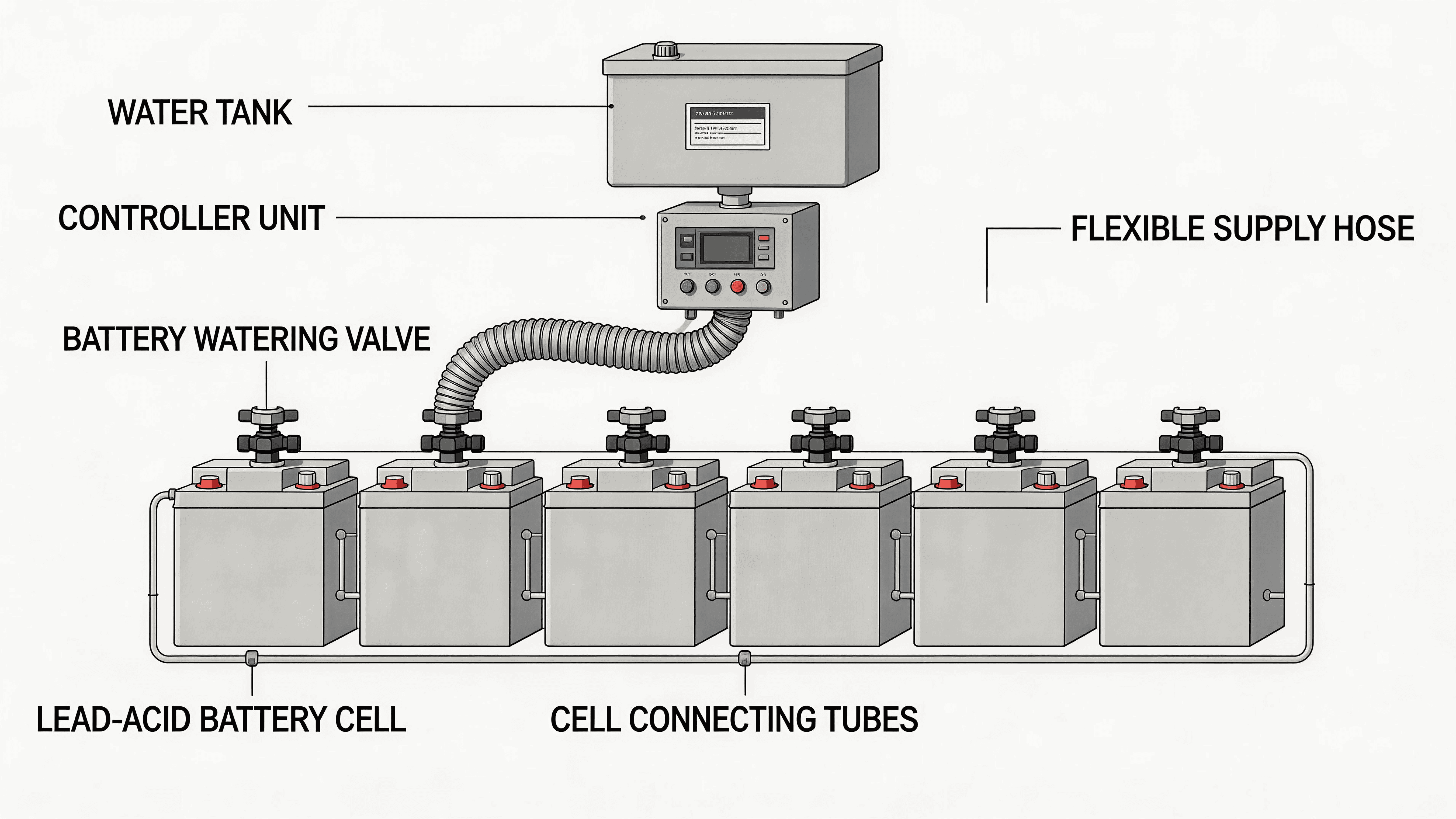
The Illusion of the “Cheap” Lead-Acid Battery When procurement managers compare forklift battery quotes, lead-acid batteries initially appear far cheaper than lithium-ion alternatives. However, this…
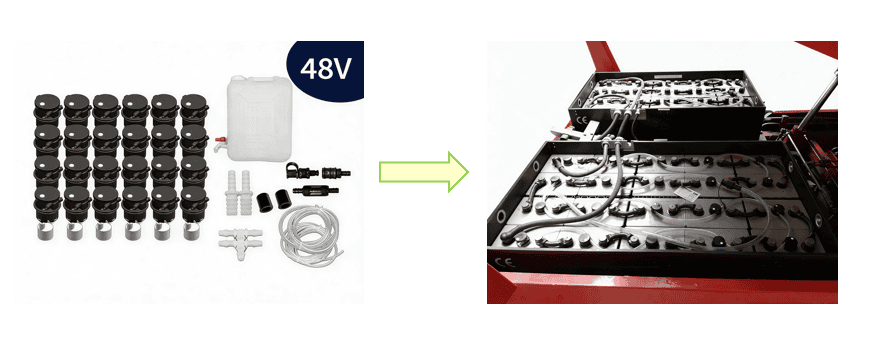
The Backbone of Medium-Duty Material Handling When it comes to powering 3-wheel and 4-wheel sit-down counterbalance forklifts, the 48V battery system is the undisputed industry…
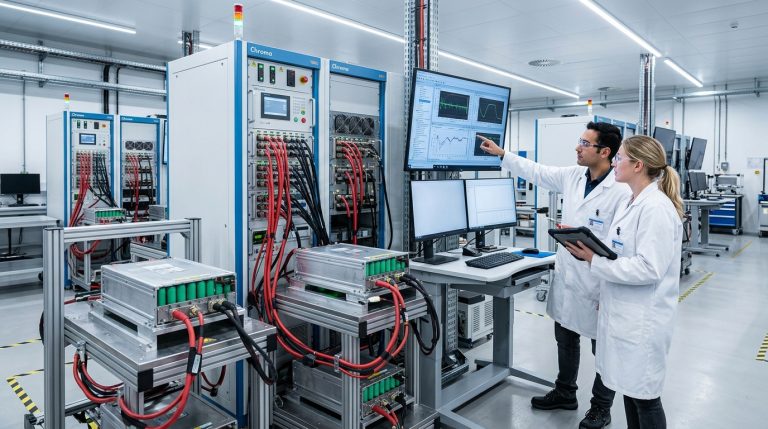
The True Measure of Industrial Battery Lifespan When fleet managers evaluate the Total Cost of Ownership (TCO) for electric forklifts, the most critical metric is…