
Petrochemical refineries, specialty chemical synthesis plants, paint manufacturing facilities, and solvent storage tank farms operate under constant risk of catastrophic vapor cloud explosions and combustible dust deflagrations. Material handling vehicles operating in classified hazardous locations (ATEX / IECEx Zone 1 and Zone 21, or NEC 500 Class I, Division 1) must adhere to rigorous explosion-proof engineering to eliminate every conceivable ignition source—including hot exhaust manifolds, electrical arcing contactors, electrostatic discharges, and battery thermal runaway gases. As chemical conglomerates accelerate decarbonization and ESG commitments in 2026, electrifying heavy chemical handling fleets with certified explosion-proof LiFePO4 power architectures has emerged as the premier operational standard. This comprehensive industry analysis evaluates intrinsic safety engineering, explosion-proof battery design, and hazardous-area fleet economics.
1. Hazardous Zone Classification & Ignition Physics in Chemical Plants
Chemical processing environments present complex multi-hazard atmospheric conditions defined by international standards (IEC 60079 series, ATEX Directive 2014/34/EU, and NFPA 70 / NEC 500):
- Zone 1 / Class I, Div 1 (Flammable Gases & Vapors): Atmospheres where explosive gas-air mixtures (e.g., ethylene, hydrogen, toluene, ethanol) are likely to occur in normal operation. Requires Gas Group IIB or IIC protection and strict temperature classification (typically T4 ≤ 135°C maximum surface temperature).
- Zone 21 / Class II, Div 1 (Combustible Dusts): Locations where combustible chemical powders, pigments, or polymer pellets form clouds or thick layers during regular processing. Hot surfaces can trigger thermal smoldering followed by violent secondary dust explosions.
- Ignition Triad Elimination: Electric forklifts in chemical plants must eliminate all three electrical ignition vectors: mechanical sparks from fork impact, electrostatic charge accumulation across tires and battery plastic housings, and electrical sparks from switches, contactors, and connector disconnects.
2. Specialized LiFePO4 Engineering for Chemical & Hazardous Facilities
Unlike standard warehouse batteries, explosion-proof traction batteries engineered for petrochemical environments incorporate multiple layers of certified mechanical and electrical defense:
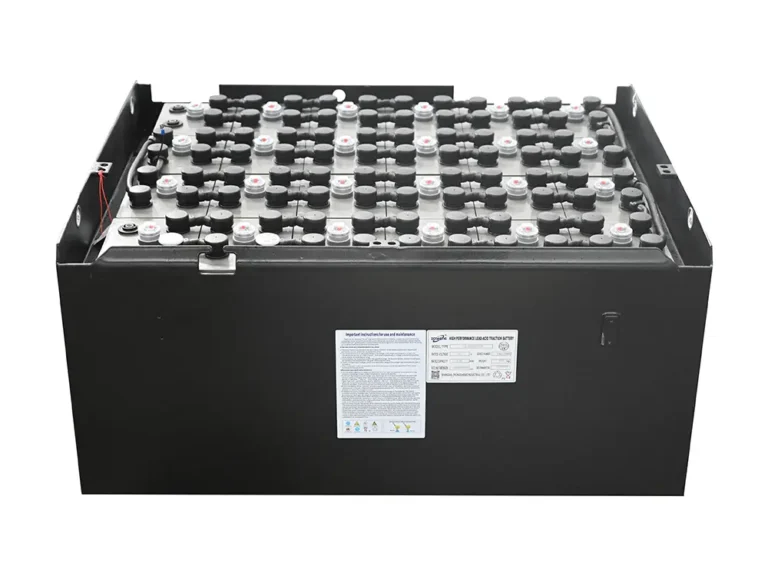
- Flameproof Heavy Steel Enclosure (Ex d / Ex t): The battery tray is fabricated from heavy-gauge structural steel with flameproof mating joints (flame paths). Should an internal cell failure ignite trace gases inside the tray, the flame path cools escaping hot gases below the ignition temperature of the surrounding chemical atmosphere.
- Intrinsically Safe BMS Circuitry (Ex ib / Ex ia): Battery management telemetry circuits, voltage sampling taps, and temperature sensing thermistors operate at galvanically isolated energy-limited thresholds (≤ 24V, micro-joule limits), ensuring that even a severed sensor wire cannot create an electrical spark capable of igniting Group IIB/IIC vapors.
- Hermetic Solid-State Contactors & Pre-Charge Switching: Traditional mechanical contactors produce visible electrical arcs during high-current opening and closing. Hazardous-rated power packs utilize hermetically sealed inert gas-filled contactors (sealed in nitrogen/hydrogen mix) or bidirectional high-power silicon carbide (SiC) solid-state switches.
- Anti-Static Conductive Coatings & Grounding: External coatings feature conductive polyurethane or carbon-doped powder coats with surface resistivity < 10^9 Ω, paired with conductive antistatic tires and dual chassis ground straps to prevent static charge buildup per IEC 60079-0.
3. Petrochemical Yard Vehicle Comparison: IC Diesel vs. Explosion-Proof LiFePO4
A rigorous operational and safety comparison between legacy diesel flameproof conversions and modern LiFePO4 systems is detailed below:
| Engineering Feature | Flameproof Diesel Forklift (Pyroban / Ex-Conversion) | Zospower Certified Explosion-Proof LiFePO4 System |
|---|---|---|
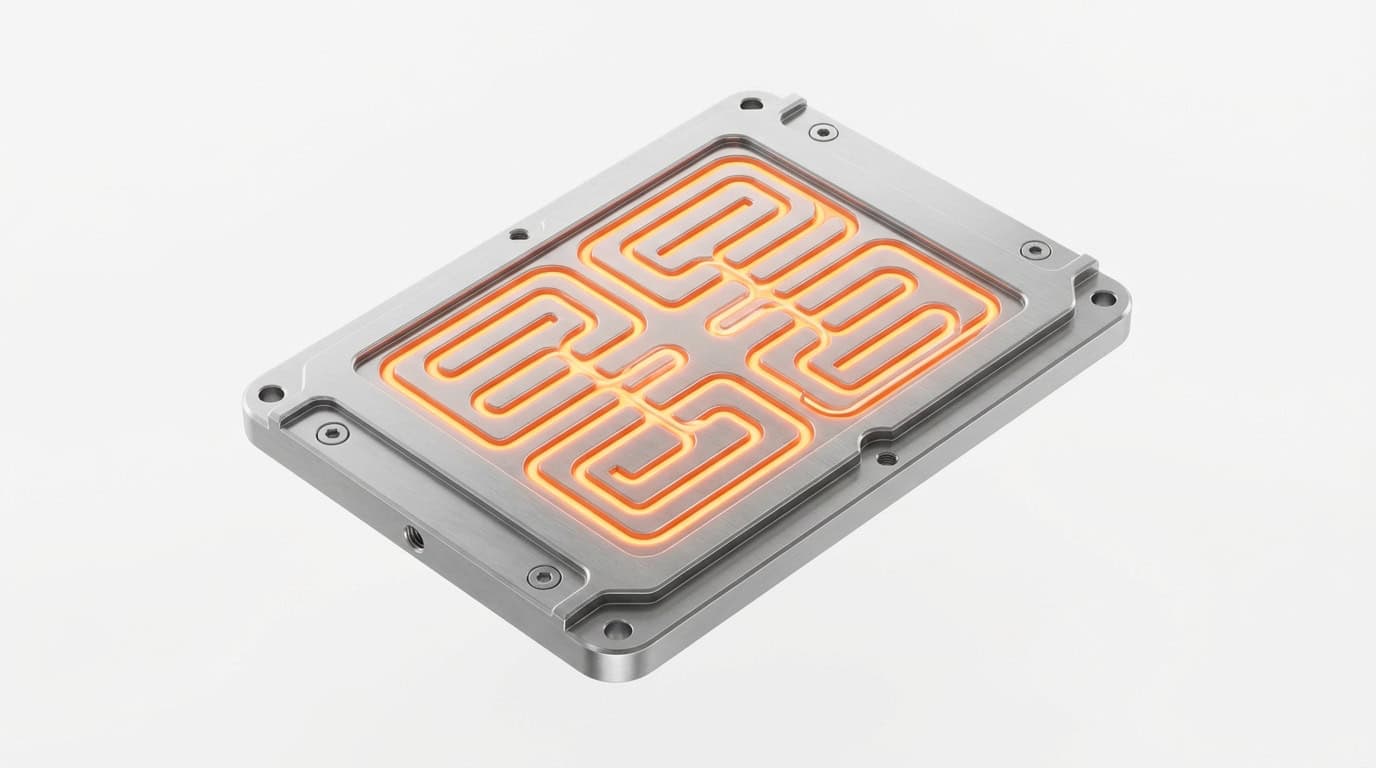
| Surface Temperature Control | Water-cooled turbo, exhaust gas heat exchangers (high failure rate) | Natural thermal equilibrium; maximum cell surface ≤ 45°C (T4 compliant) |
| Exhaust Spark & Flame Arrestors | Requires daily soot cleaning and mesh replacement | Zero combustion; zero exhaust pipe; zero flame arrestor maintenance |
| Engine Overspeed Risk | High: hydrocarbon vapor ingestion causes runaway diesel engine | Zero vapor ingestion risk; brushless AC electric motors |
| Daily Maintenance Burden | 2 to 3 hours per week inspecting exhaust water boxes and valves | Zero weekly maintenance; automated continuous BMS self-monitoring |
| Indoor Chemical Bay Operation | Prohibited or restricted due to exhaust fumes and CO build-up | 100% emission-free; seamless indoor-to-outdoor operation |
| Energy & Fuel Operating Cost | $120 – $180 per shift (specialty low-emission diesel) | $16 – $25 per shift (standard electrical charging) |
4. Financial & Risk Analysis: 10-Truck Chemical Plant Fleet (5-Year Model)
To quantify the financial and risk-reduction impact, the financial model below evaluates a specialty chemical manufacturing complex operating 10 explosion-proof 3-ton counterbalance forklifts across two 8-hour shifts daily:
| Financial & Risk Category | Flameproof Diesel Fleet (10 Trucks) | Zospower Ex-Certified LiFePO4 Fleet (10 Trucks) | 5-Year Net Fleet Savings |
|---|---|---|---|
| Capital Equipment Acquisition | $1,250,000 (standard diesel + Ex conversion) | $1,380,000 (electric trucks + Ex-rated LiFePO4) | -$130,000 (higher upfront CAPEX) |
| 5-Year Fuel vs. Electricity | $1,120,000 ($1.15/L specialized diesel) | $195,000 ($0.12/kWh industrial rate) | +$925,000 |
| Ex-Apparatus Maintenance & Overhauls | $380,000 (exhaust scrubbers, flame traps, cooling) | $45,000 (contactor inspections, insulation tests) | +$335,000 |
| Environmental & Plant Safety Insurance | $210,000 (higher thermal ignition risk premium) | $95,000 (clean electric risk credit) | +$115,000 |
| Unscheduled Downtime & Filter Clogs | $185,000 (frequent flame trap cleaning downtime) | $20,000 (solid-state electronics reliability) | +$165,000 |
| Total 5-Year Lifecycle Cost | $3,145,000 | $1,735,000 | +$1,410,000 Total Net Savings |
The financial audit demonstrates that switching from mechanically complex flameproof diesel trucks to Zospower certified explosion-proof LiFePO4 systems yields over $1.41 million in verified 5-year savings, delivering complete capital payback in just 13.8 months while drastically reducing ignition risk profiles across high-consequence chemical facilities.
5. Safe Charging & Operational Protocol in Chemical Facilities
Operating electric material handling fleets in petrochemical zones requires strict procedural integration:
- Designated Non-Hazardous Safe Charging Corridors: Industrial high-rate charging must occur in pressurized, mechanically ventilated non-classified rooms or designated safe boundary docks located outside Zone 1/21 boundaries.
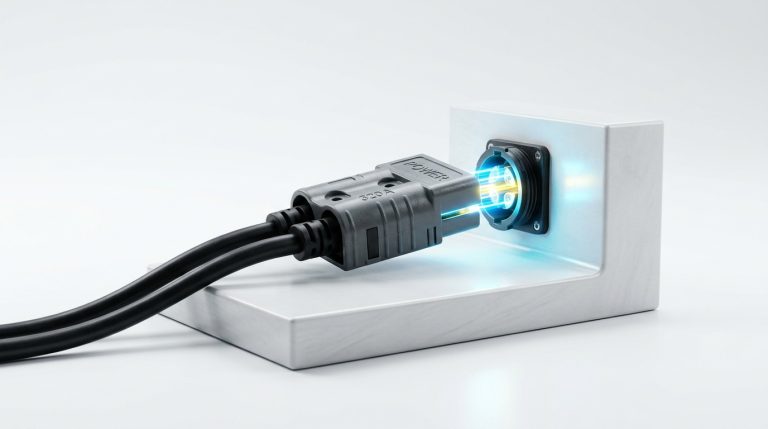
- Ex-Certified Positive Mechanical Interlock Connectors: When operating within Zone 2 boundary transfer points, use ATEX/IECEx certified explosion-proof charging plugs with integrated microswitch pilot interlocks to prevent hot-disconnect arcing.
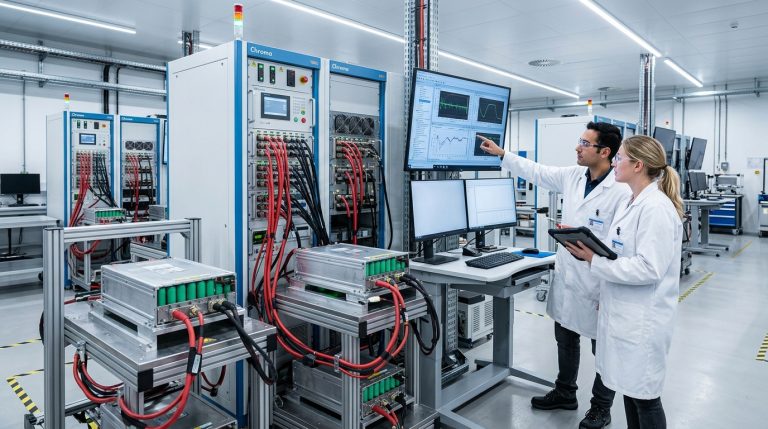
- Automated Continuous Insulation Resistance Telemetry: Equipping battery packs with integrated real-time IT floating ground monitors ensures that any drop in vehicle insulation resistance below 100 Ω/V triggers immediate visual warnings and safe motor power limits before catastrophic short circuits occur.
- Thermal Runaway Gas Sniffer Integration: Modern explosion-proof battery compartments incorporate hydrogen and hydrocarbon gas sniffer sensors tied directly to the vehicle emergency stop loop.
To dive deeper into hazardous material handling and vehicle electrical standards, consult our engineering guides on Explosion-Proof ATEX & IECEx Battery Engineering, Insulation Resistance & Ground Fault Detection, and Charger Room Safety & Ventilation Standards.
Electrify Your Hazardous-Area Fleet with Zospower Explosion-Proof Solutions
Eliminate combustion hazards, reduce regulatory compliance costs, and achieve zero emissions across chemical processing plants. Zospower delivers custom ATEX and IECEx certified explosion-proof LiFePO4 battery systems engineered with Ex d flameproof enclosures, intrinsically safe BMS, and hermetic solid-state switching.