Modern industrial food processing, meat packing, seafood cold chains, and blast freezing facilities (-35°C) represent the intersection of two uncompromising operational mandates: relentless sub-zero throughput and zero-tolerance sanitary compliance. Governed by stringent food hygiene standards (HACCP, USDA, FSMA, and IFS Food), facilities cannot tolerate lead-acid battery toxic sulfuric acid mists, explosive hydrogen gas emissions, or open-water maintenance near food handling zones. Furthermore, shuttling forklifts between -30°C blast freezers and +15°C loading docks induces severe atmospheric condensation, corroding battery terminals and causing electrical faults. This industry white paper examines the technological shift toward sub-zero opportunistic LiFePO4 battery systems, in-room fast charging regulations, and sanitary stainless steel fleet enclosures.
1. The Blast Freezing & Food Safety Conundrum
Industrial food processors face extreme operational bottlenecks when operating legacy forklift power systems in refrigerated corridors:
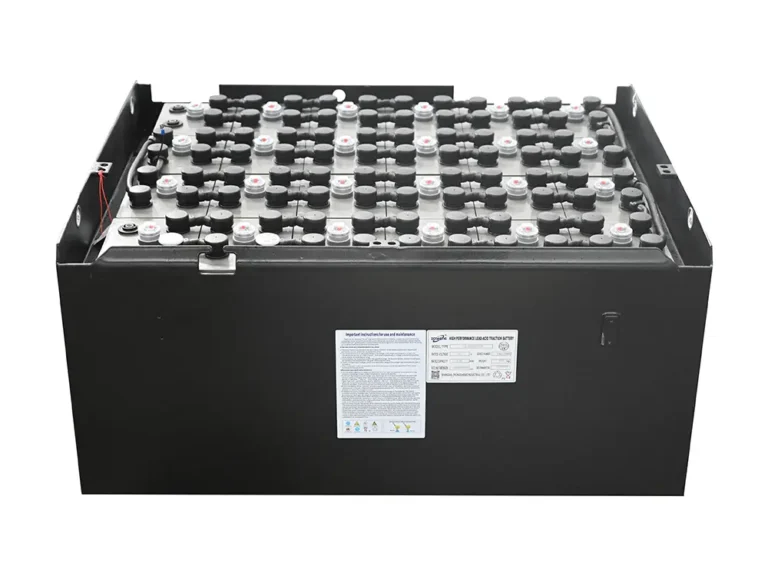
- Toxic Acid Vapor & Hydrogen Hazard: Traditional lead-acid batteries emit explosive hydrogen ($H_2$) gas and corrosive sulfuric acid droplets during charging. Under USDA and FSMA food defense regulations, battery charging rooms must be physically isolated with expensive negative-pressure ventilation systems, consuming thousands of square feet of valuable chilled square footage.
- Catastrophic Cold Temperature Capacity Loss: At temperatures below -25°C, lead-acid batteries lose over 50% of their rated capacity due to sluggish electrolyte kinetics, forcing operations into frequent battery swapping (up to 3 to 4 swaps per truck daily).
- The Condensation & “Sweating” Cycle: Moving trucks between blast freeze chambers (-30°C) and warm staging docks (+12°C to +18°C) causes immediate atmospheric moisture condensation across cold battery surfaces. This “sweating” penetrates unsealed connectors, causing terminal oxidation, insulation breakdown, and false controller ground faults.
- High-Pressure Washdown Ingress: Sanitization protocols require daily high-pressure chemical washdowns (foaming caustic cleaners and 80°C hot water) to eradicate Listeria and Salmonella, requiring IP67 or IP69K sealing across electrical enclosures.
2. LiFePO4 Engineering for Sub-Zero Food Logistics
Zospower engineers specialized LiFePO4 battery solutions specifically formulated to thrive in blast freezing food processing environments:
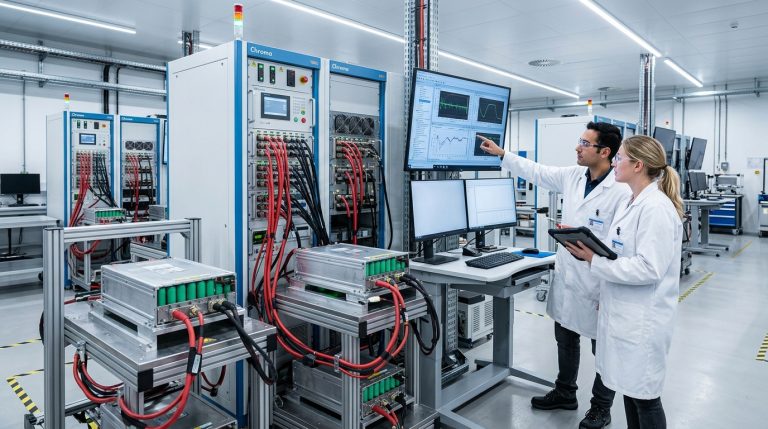
- Smart Multi-Zone PTC Core Heating: Integrated internal PTC silicone heating elements automatically engage when the battery is plugged into the charger. Utilizing shore power from the industrial charger rather than internal battery energy, the BMS preheats the cells from -30°C to +5°C within 20 minutes before enabling full 1.0C fast charging, preventing lithium metal dendrite formation.
- Hermetic IP67 Enclosure with Hydrophobic Gore Breathers: Heavy-gauge stainless or coated steel trays feature double-lip automotive EPDM gaskets and two-way hydrophobic PTFE breather valves. These valves equalize internal pneumatic pressure differentials caused by rapid temperature transitions while completely blocking liquid condensation ingress.
- Anti-Corrosion 304/316L Stainless Steel Fasteners & Shunts: All internal busbars, terminal bolts, and external battery brackets utilize passivated stainless steel and tin-plated copper shunts to withstand constant exposure to brine, organic acids, and sanitation detergents.
- Zero Off-Gassing Sealed Chemistry: Prismatic LiFePO4 cells are hermetically sealed with internal safety relief valves. With zero hydrogen generation, batteries can be safely charged directly inside dry packaging or refrigerated staging areas, completely eliminating dedicated battery change-out rooms.
3. Regulatory & Operational Comparison: Blast Freezing Facilities
The regulatory compliance and operating parameters of lead-acid versus Zospower food-grade lithium systems are contrasted below:
| Operational Parameter | Conventional Lead-Acid Fleet | Zospower Food-Grade LiFePO4 Fleet |
|---|---|---|
| FSMA / HACCP Sanitary Compliance | High audit risk (acid mist, open water topping) | 100% clean, zero emissions, sealed system |
| Charging Location Regulations | Mandatory isolated room with OSHA exhaust hoods | In-room opportunity charging permitted at dock |
| Effective Capacity at -30°C | 40% – 50% (rapid voltage sag under load) | 85% – 90% (thermal insulation & active PTC heating) |
| Battery Swapping Requirement | 2 to 3 battery swaps per truck per shift | Zero battery swapping; opportunity charge during breaks |
| Moisture & Condensation Defense | Exposed cell links corrode rapidly; acid crust | IP67 hermetic dual-gasket with gore pressure valves |
| Daily Labor for Watering & Washout | 45–60 minutes per truck / week | Zero battery maintenance required |
| Product Contamination Liability | High (corrosive battery acid spills) | Zero acid, zero fluid spillage risk |
4. Financial & Operational ROI: 12-Truck Frozen Food Logistics Hub
Consider a large cold chain distribution center operating 12 reach trucks and counterbalanced forklifts in a -25°C blast storage facility across three shifts (24/7 continuous operation):
| Financial Category | Lead-Acid (36 Batteries + Changing Room) | Zospower LiFePO4 (12 Batteries + Fast Chargers) | Annual / 5-Year Net Impact |
|---|---|---|---|
| Battery Asset Quantities | 36 packs (3 packs per truck for continuous swaps) | 12 packs (1:1 truck-to-battery ratio) | Eliminates 24 spare battery packs |
| Dedicated Battery Room Floor Space | 2,400 sq. ft. of refrigerated space ($180/sq.ft/yr) | 0 sq. ft. (decommissioned to active pallet storage) | +$432,000 / year pallet revenue |
| Battery Change Labor & Maintenance | 3 full-time technicians ($165,000/yr total) | Zero dedicated battery technicians | +$165,000 / year direct payroll savings |
| Refrigeration HVAC Heat Load Reduction | Acid room ventilation exhausts chilled air continuously | Closed loop in-dock charging; minimal HVAC load | +$48,000 / year electric bill reduction |
| 5-Year Cumulative Net Fleet Benefit | Baseline High OPEX Cost | +$2,185,000 Total 5-Year Value Delivered | Full Payback in 11.4 Months |
5. Implementation Guide: Deploying In-Room Cold Chain Fast Charging
To safely implement opportunity fast-charging in food processing and blast freezing facilities, plant managers should execute the following steps:
- Fast Charger Placement in Controlled Transition Zones: Position high-efficiency IP54 industrial chargers in the refrigerated staging vestibule (+2°C to +4°C) rather than deep inside the -30°C blast freezer. This optimizes thermal preheating efficiency and reduces charging cable condensation.
- Automated Opportunity Charging Protocols: Train forklift operators to plug in during mandatory 15-minute ergonomic breaks and 30-minute meal intervals. A 200A fast charger restores 30% to 45% of state-of-charge (SOC) during a single break.
- Wireless Cloud Telematics & Hygiene Audit Trail: Connect battery BMS units to cloud fleet management to automatically log operating temperatures, SOC levels, and insulation impedance, generating automated compliance reports for USDA and IFS audits.
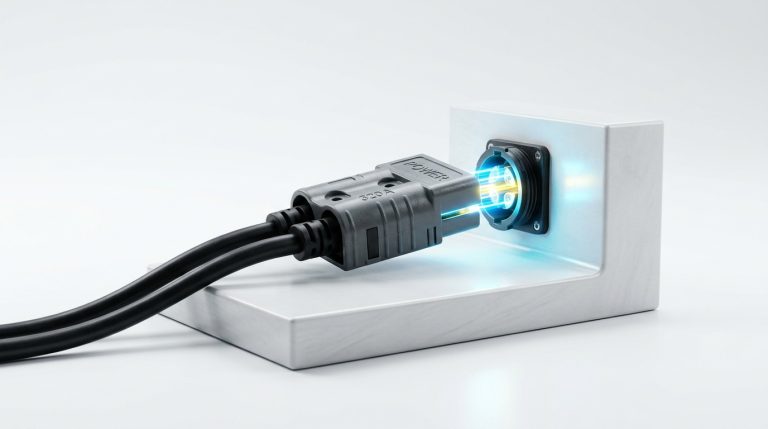
- Heavy-Duty Stainless Fastener Specifications: For seafood and meat curing environments with high salt exposure, specify grade 316L stainless steel mounting hardware and REMA DIN IP65 sealed connectors with silver-plated contacts.
For more detailed technical insights on cold-climate battery engineering and facility guidelines, see our related guides on Cold Storage Forklift Battery Conversion, Battery Thermal Management & PTC Systems, and Industrial Charger Room Safety & Ventilation.
Transform Your Cold Chain Logistics with Zospower Food-Grade LiFePO4
Eliminate toxic acid hazards, reclaim valuable refrigerated storage space, and conquer sub-zero capacity loss. Zospower supplies custom cold-rated LiFePO4 batteries with internal PTC preheating, IP67 hermetic condensation sealing, and zero-maintenance operation certified for modern food processing.