
Commercial grain export terminals, concrete storage silos, feed mills, and commercial flour milling complexes represent high-risk industrial environments classified under NFPA 61, NFPA 652, and ATEX/IECEx Zone 21/22 for combustible agricultural dust. Finely suspended wheat, corn, rice, and starch flour dusts possess low Minimum Ignition Energies (MIE < 30 mJ) and high deflagration severity indices ($K_{st} \ge 150 ext{ bar}\cdot ext{m/s}$), capable of generating secondary explosions that level entire silo headhouses. Operating internal combustion diesel forklifts within these enclosed facilities introduces fatal ignition vectors: incandescent exhaust soot sparks, turbocharger surface temperatures surpassing 500°C (far exceeding flour dust layer ignition temperatures of 290°C–320°C), and electrostatic discharges. In 2026, leading global agribusinesses (ADM, Bunge, Cargill, and Louis Dreyfus) are mandating 100% transition to sealed high-voltage LiFePO4 electric material handling fleets. This industry white paper evaluates combustible dust ignition thermodynamics, IP6X dust-tight traction engineering, and milling facility economics.
1. Agricultural Dust Deflagration Physics: The Hidden Ticking Clock
Unlike metal or chemical manufacturing, agricultural dust clouds and layers present unique deflagration characteristics governed by strict fire codes:
- Low Cloud & Layer Ignition Temperatures: Wheat and corn flour dust clouds ignite at 380°C–440°C, while a settled 5mm dust layer smolders and ignites at just 290°C. Standard diesel exhaust manifolds and DPF regeneration cycles easily exceed 600°C, creating an immediate ignition source upon dust contact.
- Severe Deflagration Pressure Rise: A primary localized dust explosion inside a bagging room creates acoustic shockwaves that dislodge accumulated ceiling rafters and duct dust, triggering a secondary explosion with peak overpressures exceeding 8 to 10 bar.
- Electrical Tracking & Arcing Risks: Fine starch flour penetrates unsealed electrical enclosures, absorbing atmospheric humidity and forming a conductive paste across busbars, contactor tips, and high-voltage battery terminals.
- Static Electricity Accumulation: Rapid tire rolling across painted concrete floors and friction from bulk tote bag handling accumulate electrostatic charges (>15 kV), demanding specialized conductive grounding pathways.
2. Specialized LiFePO4 Engineering for Grain Silos & Milling Facilities
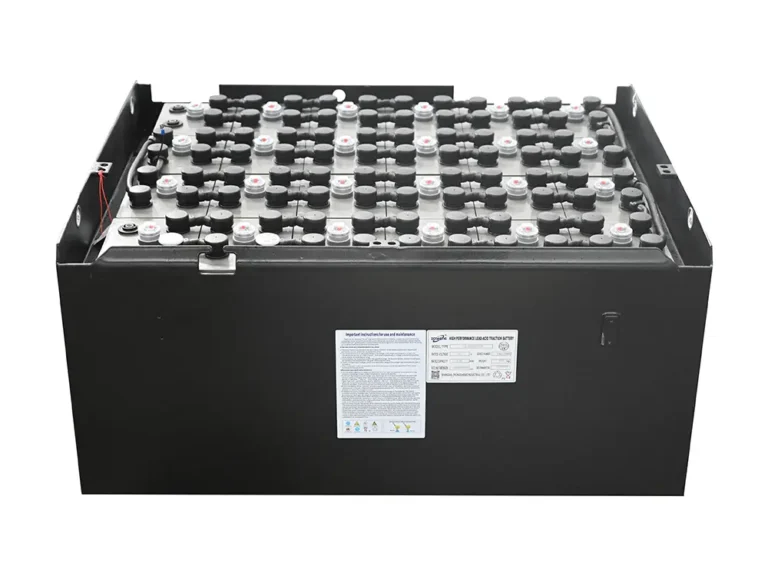
To deliver uncompromising safety across NFPA 61 classified grain facilities, Zospower manufactures specialized explosion-safe LiFePO4 power architectures:
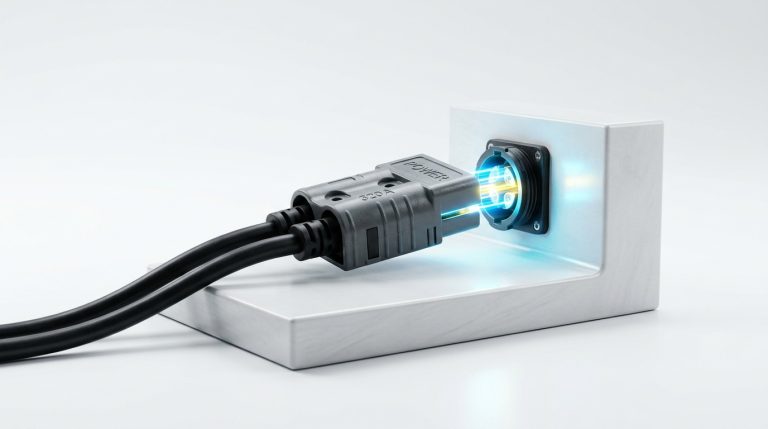
- Full IP6X Ingress Protection (Hermetic Dust-Tight Sealing): Battery trays feature continuous robotic CNC-dispensed EPDM silicone gaskets, IP67 sealed REMA DIN connectors with mechanical interlocks, and two-way hydrophobic PTFE breathing membranes that block dust penetration while venting internal pressure.
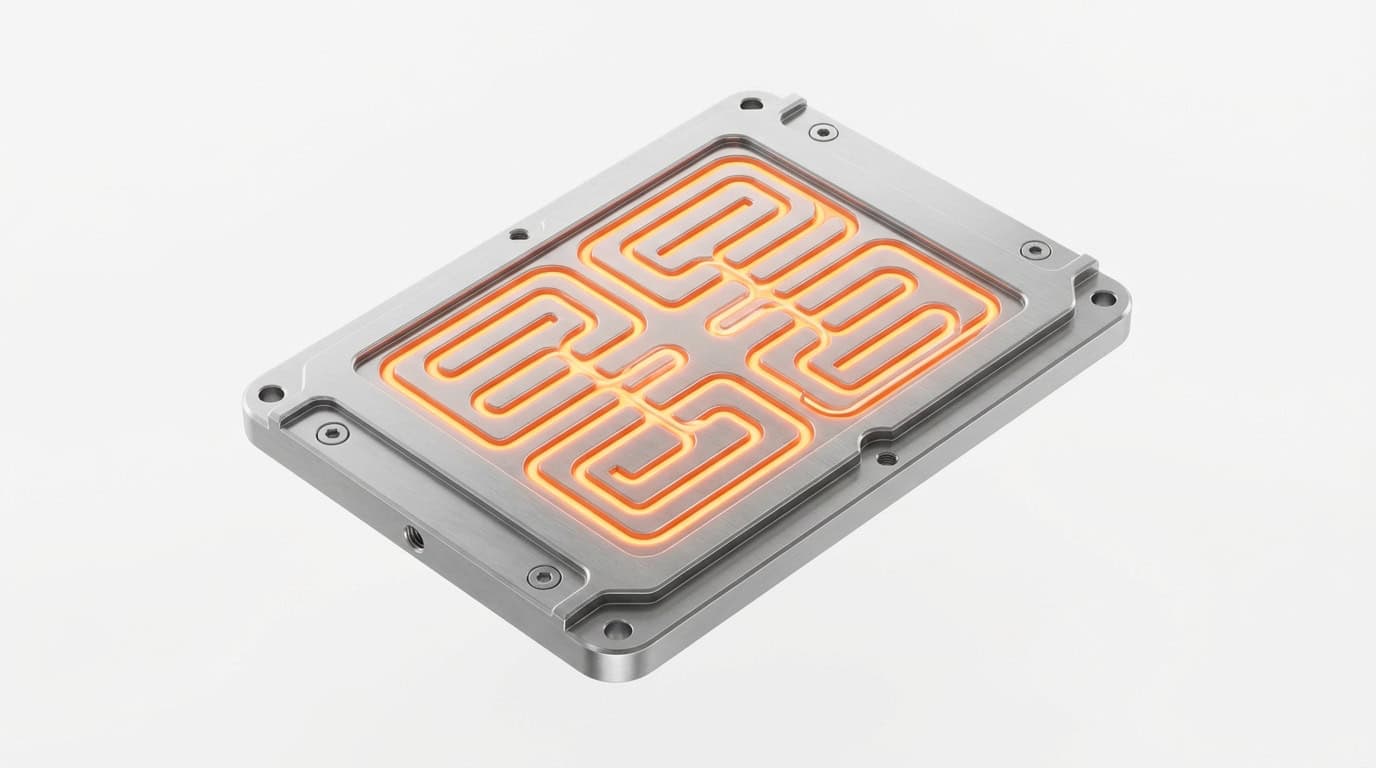
- Surface Temperature Limitation (<100°C / T4 Compliance): Through heavy-gauge multi-layer flexible copper busbars and ultra-low internal resistance prismatic cells ($R_i < 0.3 ext{ m}\Omega$), the entire battery assembly operates with an external casing temperature rise under 25°C above ambient, maintaining external surfaces well below 45°C—vastly safer than the 290°C flour layer ignition threshold.
- Hermetically Sealed Gas-Filled Contactors: Eliminating open-air arcing switches, Zospower utilizes ceramic-brazed, hydrogen-nitrogen pressurized contactors that quench breaking arcs in under 2 milliseconds inside a hermetic vacuum capsule, preventing any potential spark from contacting surrounding dust atmospheres.
- Static-Dissipative Chassis Grounding Straps: Battery trays integrate conductive carbon-doped powder coating with dual trailing copper-braid ground discharge straps, safely neutralizing static voltages before discharge sparks can occur.
3. Grain Terminal Fleet Comparison: Diesel vs. Zospower LiFePO4
The operational and safety parameters of diesel equipment versus Zospower dust-tight LiFePO4 systems are detailed below:
| Operational Parameter | Legacy Diesel Forklift (Spark Arrestor Spec) | Zospower Dust-Tight LiFePO4 System |
|---|---|---|
| Combustible Dust Fire Risk | Severe: Hot exhaust manifolds & soot sparks | Zero: 100% spark-free sealed system; surface < 45°C |
| NFPA 61 / ATEX Regulatory Compliance | Requires costly daily spark arrestor desooting | Naturally compliant with Class II, Div 1 / Zone 21 standards |
| Air Intake & Radiator Maintenance | Chaff and grain dust clog radiators daily; overheats | Zero air filters; zero liquid coolant maintenance |
| Indoor Bagging & Packaging Suitability | Prohibited due to soot and toxic carbon monoxide | 100% emission-free; food-grade hygiene certified |
| Multi-Shift Terminal Availability | Fuel storage tanks and outdoor refueling runs | 24/7 continuous duty via sheltered opportunity fast charging |
| Daily Energy Cost per Truck | $110 – $165 per 10-hour shift (fuel + filters) | $16 – $24 per 10-hour shift (off-peak electricity) |
4. Financial TCO Audit: 12-Truck Commercial Flour Mill (5-Year Model)
To quantify the financial case for milling facility electrification, the audit below evaluates a high-volume commercial flour milling and bagging complex operating 12 counterbalance forklifts (3.5-ton capacity) running two 10-hour shifts daily (5,000 operational hours per truck/year):
| Expense Category | Diesel Fleet (12 x Spark-Arrested Trucks) | Zospower LiFePO4 Fleet (12 x 80V/700Ah) | 5-Year Net Facility Savings |
|---|---|---|---|
| Capital Equipment Acquisition | $1,140,000 (standard diesel + Ex spec) | $1,320,000 (electric trucks + LiFePO4 + fast chargers) | -$180,000 (higher upfront CAPEX) |
| 5-Year Fuel vs. Electricity | $1,780,000 ($1.15/L off-road diesel) | $310,000 ($0.12/kWh industrial electricity) | +$1,470,000 |
| Radiator De-Chaffing & Engine Overhauls | $380,000 (blown turbos, daily air filter swaps) | $40,000 (contactor & motor inspections) | +$340,000 |
| Mill Fire Insurance & NFPA Compliance Audits | $240,000 (higher combustible dust risk premium) | $85,000 (clean electric insurance risk credit) | +$155,000 |
| Flour Product Contamination Losses (Soot) | $125,000 (soot contamination on paper flour bags) | $0 (100% clean, zero emissions) | +$125,000 |
| Total 5-Year Lifecycle Cost | $3,665,000 | $1,755,000 | +$1,910,000 Total Net Savings |
The financial audit proves that converting a 12-truck grain milling plant to Zospower dust-tight LiFePO4 battery systems unlocks over $1.91 million in net operational cash savings across 5 years, achieving full capital payback in just 11.3 months while permanently eliminating the risk of combustible dust explosions triggered by hot vehicle exhaust systems.
5. Implementation Roadmap: Deploying Electric Logistics in Grain Handling
Deploying electric forklifts across grain silos and milling plants requires a structured engineering roadmap:
- Zoned Charging Station Architecture: Install 200A to 300A DC fast chargers inside pressurized, non-hazardous electrical rooms or outdoor sheltered transfer points located strictly outside Zone 21/22 dust hazard boundaries.
- Static Ground Discharge System Verification: Equip all electric trucks with dual static-dissipative copper drag chains and conduct weekly surface-to-ground resistance measurements (<1.0 MΩ).
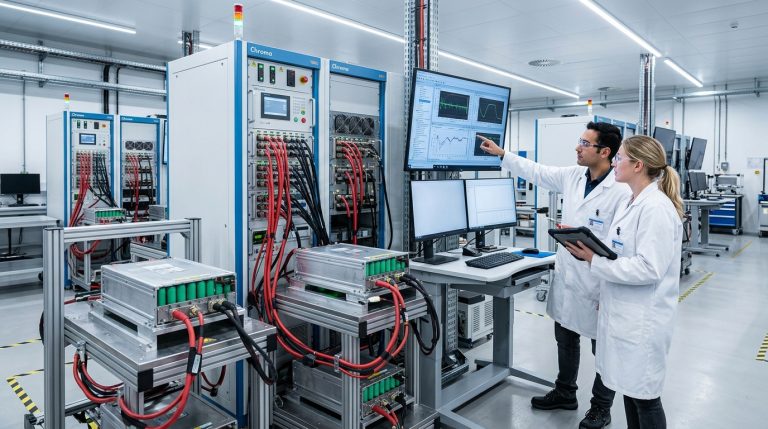
- Continuous Insulation Telematics Monitoring: Connect battery BMS units to 4G IoT cloud platforms to monitor floating ground insulation resistance in real time, alerting maintenance managers if fine flour paste reduces chassis isolation.
- Sealed Mechanical Interlock Connectors: Deploy REMA DIN or Anderson SBX connectors with integrated pilot pin microswitches to ensure charging and battery disconnects occur with zero arc flash.
For more detailed technical insights on explosion safety and industrial vehicle electrical systems, explore our engineering guides on Explosion-Proof ATEX & IECEx Battery Engineering, BMS Insulation Monitoring & AC Pulse Injection, e Charger Room Safety & Ventilation Standards.
Safeguard Your Grain & Milling Facility with Zospower LiFePO4 Solutions
Eliminate combustible dust ignition vectors, protect food-grade packaging purity, and slash fleet operating costs. Zospower manufactures certified dust-tight IP6X LiFePO4 battery systems with T4 surface temperature ratings (<45°C), hermetic gas-filled contactors, and static-dissipative chassis grounding engineered for grain silos and flour mills.