The Brain Behind the Power: Decoding the BMS
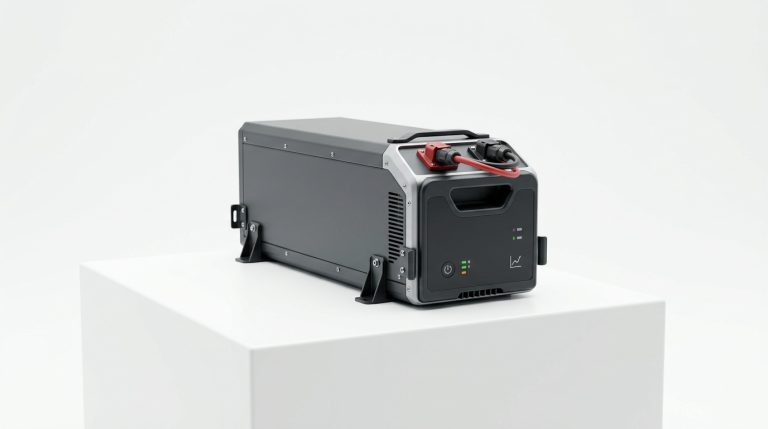
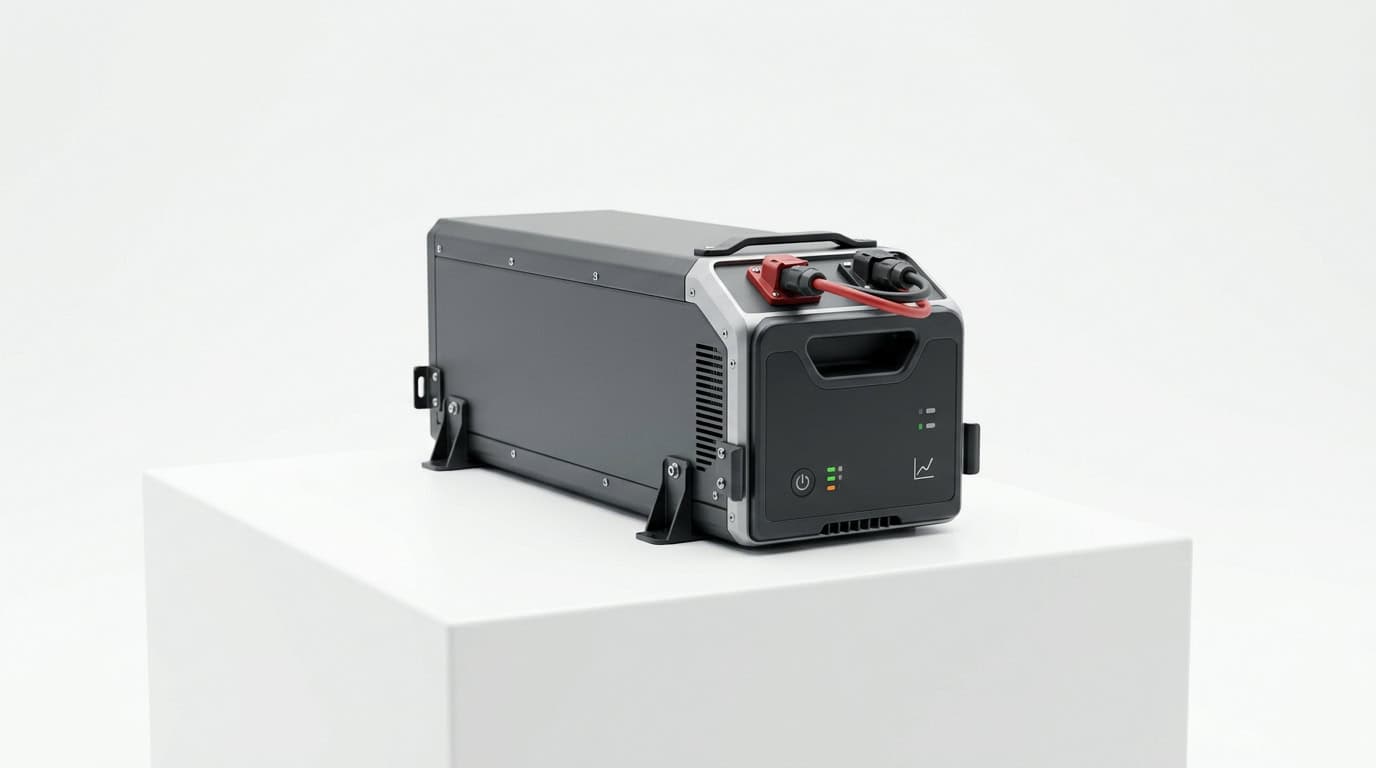
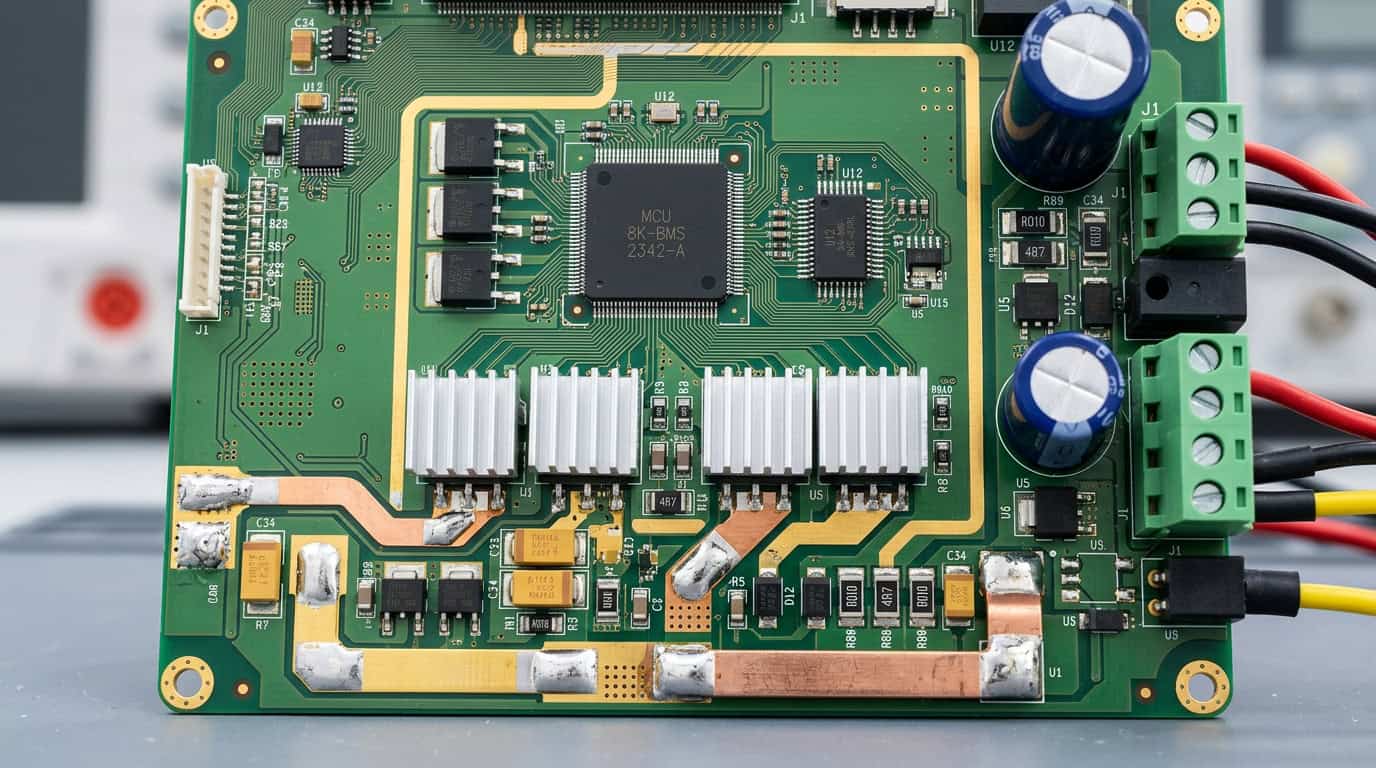
In the industrial motive power sector, a lithium-ion battery is only as reliable as its Battery Management System (BMS). While standard consumer electronics use basic voltage cutoff switches, a heavy-duty forklift battery requires a highly sophisticated BMS to manage extreme discharge currents, regenerative braking spikes, and intense thermal loads. Let’s dive into the core algorithms that make ZOSPOWER’s BMS the industry standard for safety and performance.
1. SoC (State of Charge) Estimation Algorithm
Accurately predicting how much energy remains in a battery is surprisingly complex. Unlike a fuel tank, you cannot “look” inside a battery cell. ZOSPOWER’s BMS utilizes an advanced Extended Kalman Filter (EKH) algorithm. Instead of relying purely on simple Coulomb counting (which drifts over time) or Open Circuit Voltage (OCV), our algorithm continuously fuses real-time current integration with dynamic voltage correction. This results in an SoC accuracy of ±2%, ensuring operators are never caught off-guard by a sudden shutdown.
2. Active Cell Balancing
In a massive 80V forklift battery, 25 individual LiFePO4 cells are connected in series. Due to minute manufacturing tolerances and thermal gradients, these cells can drift out of balance over hundreds of charge cycles. If one cell hits 100% before the others, charging must stop, limiting the total capacity of the pack.
Our BMS employs Active Inductive Balancing. Rather than simply burning off excess energy as heat (passive balancing), our system uses DC-DC converters to physically transfer charge from the highest-voltage cells directly into the lowest-voltage cells at a rate of up to 5 Amps. This maximizes the usable capacity of the entire pack and significantly extends its lifespan.
3. Dynamic Power Derating and Thermal Management
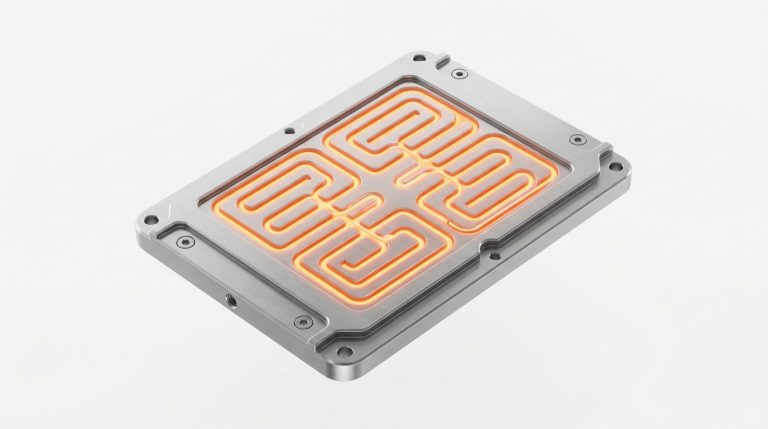
Forklifts operating in severe conditions—like heavy lumber yards or cold storage—push battery chemistry to its limits. Our BMS continuously monitors the temperature across multiple thermistors. If internal temperatures approach the 60°C threshold, the BMS engages the Dynamic Power Derating algorithm. It communicates with the forklift’s motor controller via CAN bus to seamlessly limit the maximum discharge current. This prevents thermal runaway and hardware damage without abruptly cutting power, allowing the operator to safely complete their task and return to the charging bay.
Conclusione
The algorithms embedded within a ZOSPOWER BMS represent thousands of hours of engineering and real-world testing. By combining predictive Kalman filtering with active energy transfer and intelligent CAN communication, we deliver a motive power solution that guarantees maximum uptime, absolute safety, and unparalleled ROI.