
Automotive manufacturing facilities, high-speed body stamping shops, and modern EV gigafactories operate under punishing Just-In-Time (JIT) and Just-In-Sequence (JIS) production regimes where an unplanned material handling stoppage costs between $20,000 and $50,000 per minute in assembly line downtime. Handling massive stamping dies weighing 15 to 35 tons, moving dense sheet metal blank stacks, and feeding takt-time synchronized assembly lines require heavy-duty electric counterbalance trucks and automated guided vehicles (AGVs) that deliver uncompromising power density, micro-positioning hydraulic precision, and round-the-clock operational readiness. In 2026, global automakers (including VW, Toyota, BMW, and Tesla suppliers) are aggressively decommissioning fossil-fueled trucks and legacy lead-acid batteries in favor of high-voltage (80V to 120V) LiFePO4 power systems. This industry white paper examines the engineering, operational cadence, and financial architecture of electrifying heavy automotive stamping and assembly logistics.
1. Stamping & Body Assembly: The Ultimate Material Handling Stress Test
Automotive body-in-white (BIW) manufacturing presents unique industrial material handling demands that quickly overwhelm conventional warehouse forklifts:
- Massive Stamping Die Swaps (Quick Die Change – QDC): Transferring 15-ton to 30-ton press dies into 5,000-ton stamping presses requires forklifts with extreme hydraulic lift power, rigid mast stability, and zero voltage sag during initial breakaway hoisting.
- Extreme Hydraulic Inrush Current Spikes: Lifting a 25-ton die generates instantaneous current draws of 600A to 900A from the battery pack within 50 milliseconds. Voltage sag in depleted lead-acid batteries triggers motor controller undervoltage faults, dropping loads or halting the press line.
- Zero-Tolerance Takt Time Discipline: Line-side parts delivery occurs on rigid 60-second to 90-second cycles. Operators cannot afford 20-minute battery change-outs or sluggish travel speeds associated with lead-acid afternoon voltage decline.
- Indoor Air Quality & Acoustic Standards: Internal combustion forklifts are strictly banned inside modern robotic body shops due to soot, toxic CO/NOx emissions, and acoustic noise that interferes with worker safety communications.
2. Heavy-Duty LiFePO4 Engineering for Automotive Plants
Meeting the severe duty cycles of automotive stamping plants requires purpose-engineered battery architectures:
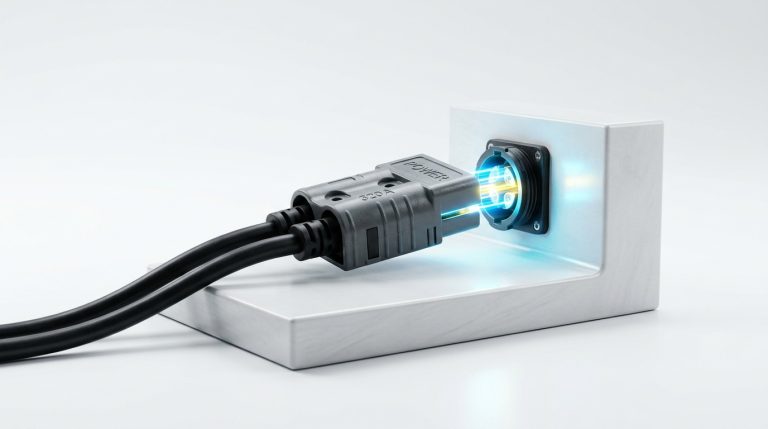
- High-Rate Prismatic LiFePO4 Chemistry (3C Peak Discharge): Zospower utilizes heavy-duty automotive-grade prismatic cells with ultra-low internal resistance (<0.3 mΩ). This enables sustained 1.0C continuous draw and 3.0C (up to 1,200A) peak transient pulses for 10 seconds without thermal stress or voltage sag below cutoff thresholds.
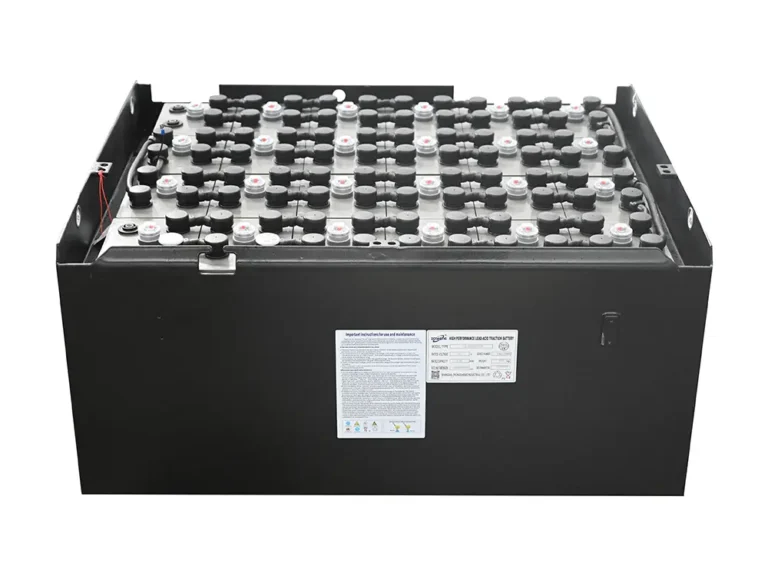
- Structural Ballast Integration (Reinforced 12mm Armor): Stamping die forklifts rely on battery weight as vital counterbalance ballast. Zospower builds heavy-duty 80V/96V battery enclosures from 10mm–14mm laser-cut structural steel plates with internal ballast chambers, matching OEM axle weight distribution within ±1.5%.
- High-Speed Automated Opportunity Fast-Charging: High-power 300A DC fast chargers deployed adjacent to press lines enable operators to charge trucks during 10-minute shift handovers and 30-minute meal breaks, delivering true 24/7 continuous operation without spare batteries.
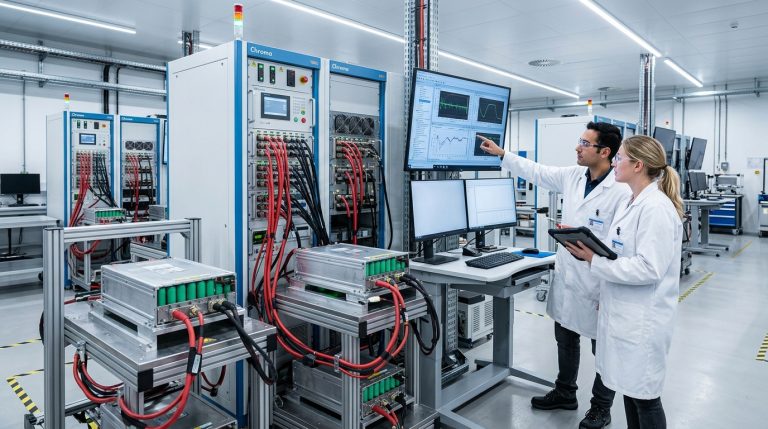
- CANopen / Profinet Industrial IoT Integration: The battery BMS interfaces directly with plant-wide Manufacturing Execution Systems (MES) via CANopen or 4G cloud telematics, providing automated alerts on state-of-charge, internal cell temperature gradients, and predictive maintenance metrics.
3. Powertrain Comparison: Heavy Stamping Die Handling
The operational and performance parameters of legacy power solutions versus Zospower heavy-duty LiFePO4 systems are detailed below:
| Performance Parameter | Legacy Lead-Acid (80V / 930Ah) | Heavy LPG / Diesel Conversion | Zospower Heavy LiFePO4 (80V / 1050Ah) |
|---|---|---|---|
| Voltage Stability Under 700A Lift | Severe drop to <64V (triggers alarm) | Engine bogs down; hydraulic lag | Stable >76V (instant hydraulic response) |
| Quick Die Change Cycle Time | 12 – 15 minutes (sluggish mast speed) | 10 – 12 minutes (high acoustic noise) | 7 – 9 minutes (35% faster cycle throughput) |
| Indoor Cleanliness & Emissions | Acid vapor, hydrogen venting hazard | Strictly prohibited inside BIW shops | Zero emissions, clean room compatible |
| Shift Fleet Availability | Requires battery swap every 6–8 hrs | Refueling downtime and cylinder storage | 24/7 continuous availability with fast charging |
| Lifespan Under Heavy Cycling | 1,200 – 1,500 cycles (1.5 – 2 years) | Frequent engine overhauls required | 4,000+ cycles (>8 years operational life) |
| Fleet Line-Stoppage Risk | Moderate-High (low-voltage shutdowns) | High (mechanical powertrain failure) | Virtually zero (dual BMS & telematics alerts) |
4. Financial Analysis: 15-Truck Automotive Stamping Fleet (5-Year Model)
To quantify the financial impact, the model below audits a major Tier-1 automotive body stamping facility operating 15 heavy-duty 10-ton to 16-ton forklifts supporting three continuous 8-hour production shifts (24/7 operation, 6,000 operational hours per truck/year):
| Cost Category | Lead-Acid Fleet (45 Battery Packs) | Zospower LiFePO4 Fleet (15 Battery Packs) | 5-Year Net Fleet Savings |
|---|---|---|---|
| Battery Asset & Charger Investment | $675,000 (45 packs + change crane) | $825,000 (15 heavy packs + fast chargers) | -$150,000 (higher upfront CAPEX) |
| 5-Year Electricity Consumption | $680,000 (68% charging efficiency) | $475,000 (94% electrical efficiency) | +$205,000 |
| Battery Swapping Labor (3 shifts) | $375,000 (dedicated battery room crew) | $0 (operators opportunity charge during breaks) | +$375,000 |
| Reclaimed Factory Floor Space | 3,500 sq. ft. battery changing room | Converted into JIT buffer sequencing area | +$350,000 in manufacturing value |
| Avoided Line Downtime Risk (Takt Losses) | $480,000 (historical unplanned halts) | $35,000 (BMS predictive cloud warnings) | +$445,000 |
| Battery Replacement at Year 3 | $540,000 (complete lead-acid fleet swap) | $0 (LiFePO4 warranty covers 8+ years) | +$540,000 |
| Total 5-Year Financial Impact | $2,750,000 | $1,335,000 | +$1,765,000 Total Net Savings |
The audit demonstrates that despite the upfront premium for high-voltage heavy LiFePO4-Akku systems and high-amperage charging infrastructure, the automotive facility achieves full capital payback in just 11.6 months. Over 5 years, the stamping operation unlocks over $1.76 million in net operational savings while completely eliminating the risk of line-stopping voltage dropouts.
5. Implementation Roadmap: Fleet Electrification for Automotive Gigafactories
Deploying heavy electric forklifts across automotive manufacturing plants requires a disciplined engineering roadmap:
- Peak Hydraulic Inrush Current Profiling: Measure real-world current spikes during maximum-load die lift-off to verify that the battery BMS contactors and fuse ratings (typically 800A–1,000A) have sufficient thermal headroom.
- Decentralized Fast-Charging Station Placement: Install dual-gun 250A fast chargers directly adjacent to die storage racks and operator break areas rather than centralizing them in a remote room.
- Counterweight Ballast Calibration: Ensure the battery manufacturer builds custom ballast trays matching the precise weight and center-of-gravity (CG) required by OEM mast lift rating charts.
- MES & SCADA Cloud Integration: Connect the battery fleet via 4G/CAN gateways into the plant’s centralized maintenance dashboard to schedule predictive servicing before any cell imbalance impacts line takt time.
To learn more about industrial power conversions and fleet safety, explore our related engineering guides on Hyster Heavy Forklift Lithium Conversion, Hydraulic Power Matching & Voltage Sag Prevention, und BMS IoT Telemetry & Fleet Management.
Electrify Your Automotive Stamping & Assembly Fleet with Zospower
Eliminate die change delays, protect assembly takt time, and reclaim valuable factory floor space. Zospower manufactures heavy-duty 80V, 96V, and 120V LiFePO4 battery systems with 3C peak pulse capability, integrated structural armor ballast, and automated opportunity fast-charging tailored for automotive gigafactories.