The Deep Freeze Challenge
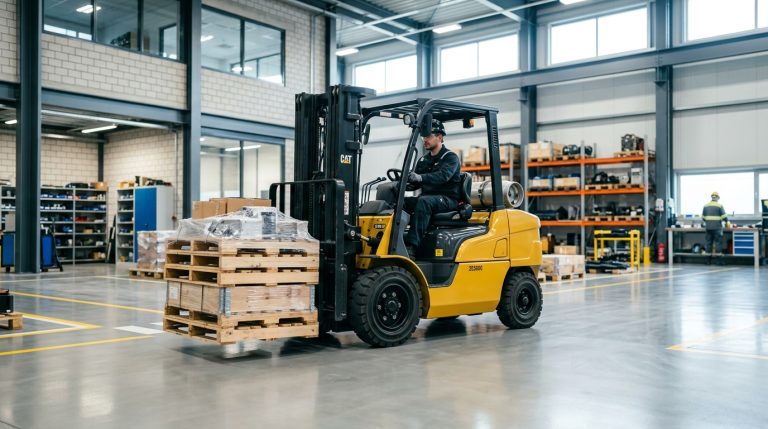
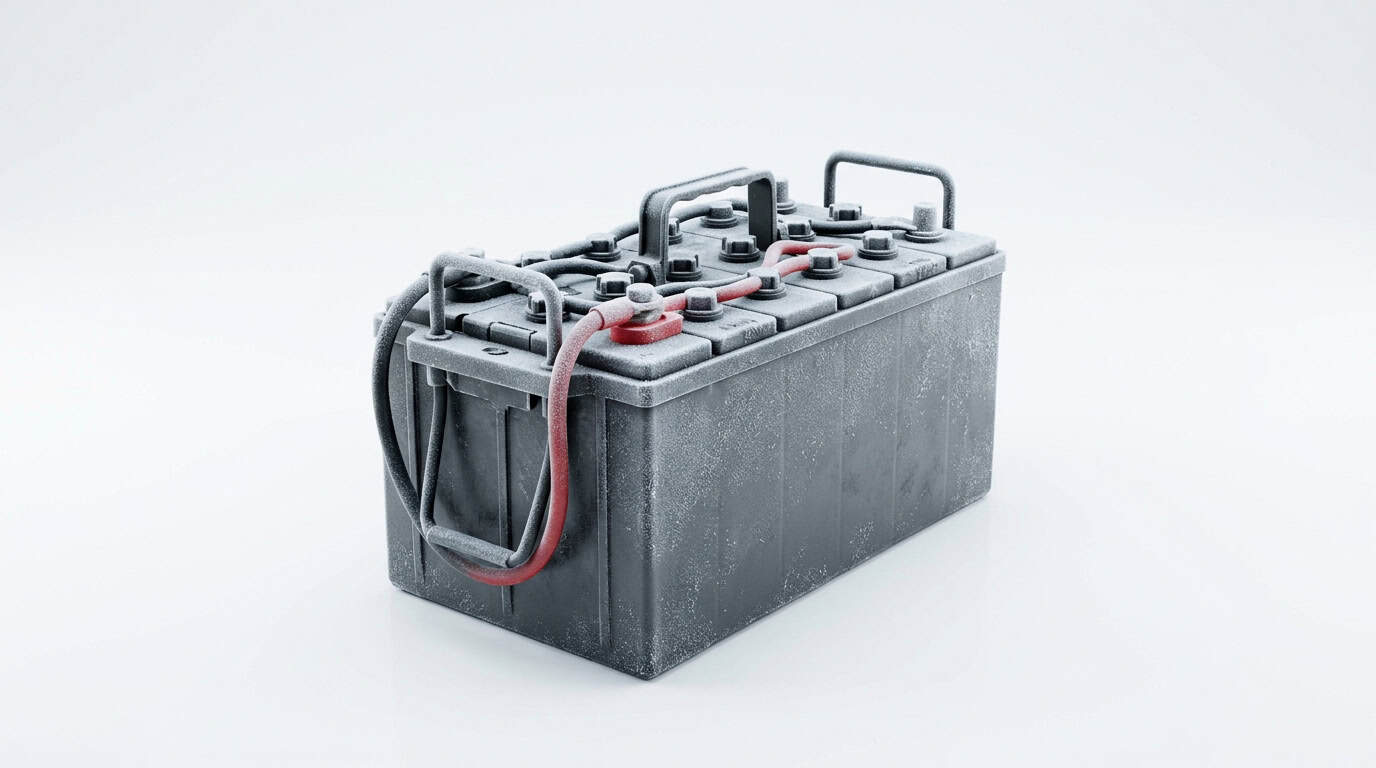
Operating a material handling fleet inside a sub-zero cold storage facility (often plunging to -20°C / -4°F) is one of the most brutal tests for any battery chemistry. The cold drastically slows down the electrochemical reactions inside the battery cells, leading to a phenomenon known as “capacity loss.”
How Lead-Acid Fails in Cold Storage
Traditional lead-acid batteries suffer a catastrophic 30% to 50% loss of their rated capacity when operating in deep freeze environments. Because the electrolyte is a liquid (sulfuric acid and water), it literally becomes sluggish. In extreme cases, if a discharged lead-acid battery is left in the cold, the electrolyte can actually freeze, expanding and shattering the internal lead plates, rendering the battery completely useless.
The ZOSPOWER Cold-Storage Lithium Solution
ZOSPOWER’s LiFePO4 batteries are specifically engineered for cold storage logistics:
- Near-Zero Capacity Loss: Unlike lead-acid, our lithium-ion cells maintain over 90% of their rated capacity even at -20°C, ensuring operators can complete full shifts without mid-day battery swaps.
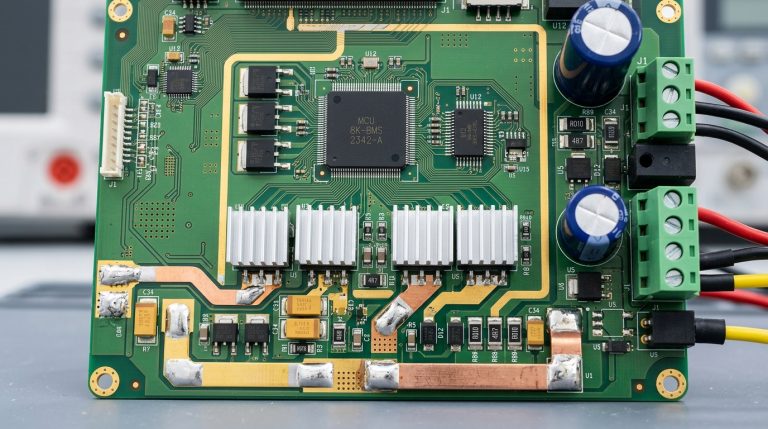
- Internal Active Heating: The most significant innovation is our internal Battery Management System (BMS) heating pad. When the forklift is plugged into a charger inside the freezer, the BMS automatically routes the initial incoming power to warm up the battery cells to an optimal temperature (above 5°C) before initiating the charge. This allows for safe, fast opportunity charging without ever leaving the cold zone.
- No Condensation Damage: ZOSPOWER cold-storage packs are IP67 sealed. When a forklift drives from the -20°C freezer out to the warm +20°C loading dock, condensation rapidly forms. Our hermetic sealing prevents this moisture from shorting the internal electronics.
Upgrade to ZOSPOWER and stop letting the cold dictate your warehouse throughput.