The Future of Material Handling: Hydrogen vs Lithium
As large logistics operations and Amazon-scale warehouses push for carbon-neutral operations, the debate between Hydrogen Fuel Cell vs Lithium-Ion forklift batteries has intensified. Both technologies offer zero-emissions at the tailpipe and eliminate the need for long battery swapping times associated with traditional lead-acid systems. But which is the better investment for your fleet?
Infrastructure and Capital Expenditure (CapEx)
The most significant difference lies in infrastructure costs.
- Hydrogen Fuel Cells: Transitioning to hydrogen requires a massive upfront investment. You must install hydrogen generation systems (electrolyzers), high-pressure cryogenic storage tanks, and liquid hydrogen dispensers. A typical indoor hydrogen fueling station can cost between $500,000 and $1,500,000 to deploy safely.
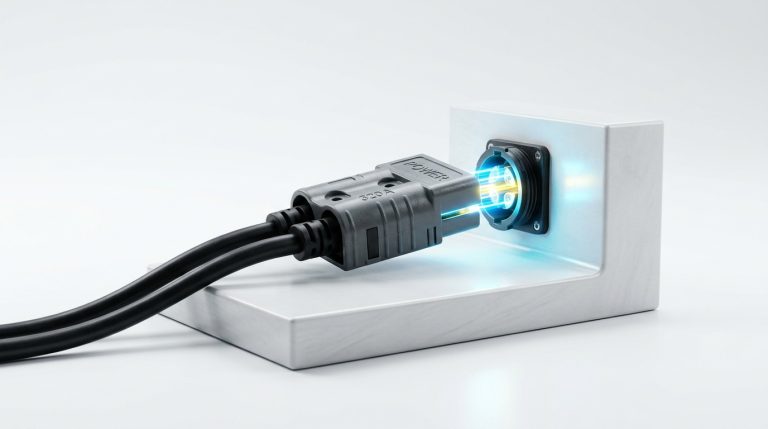
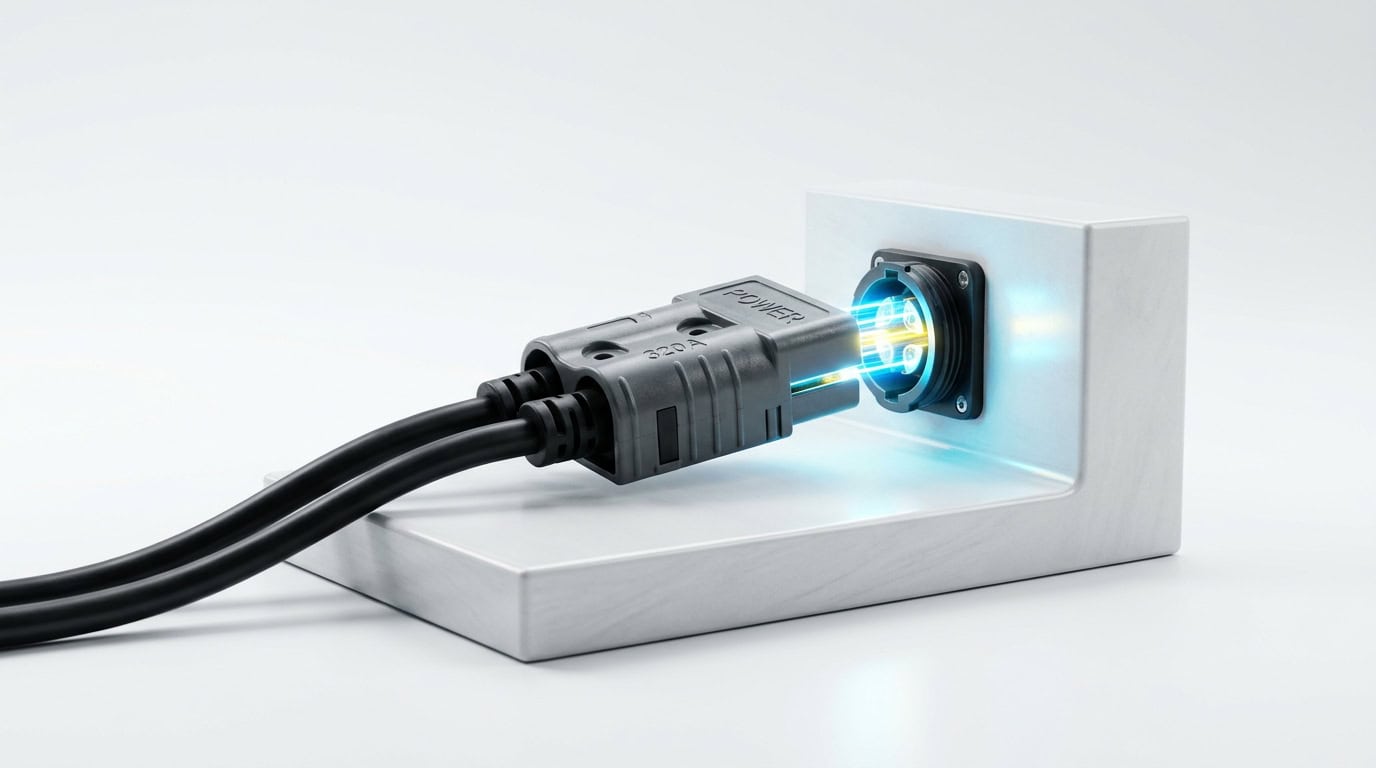
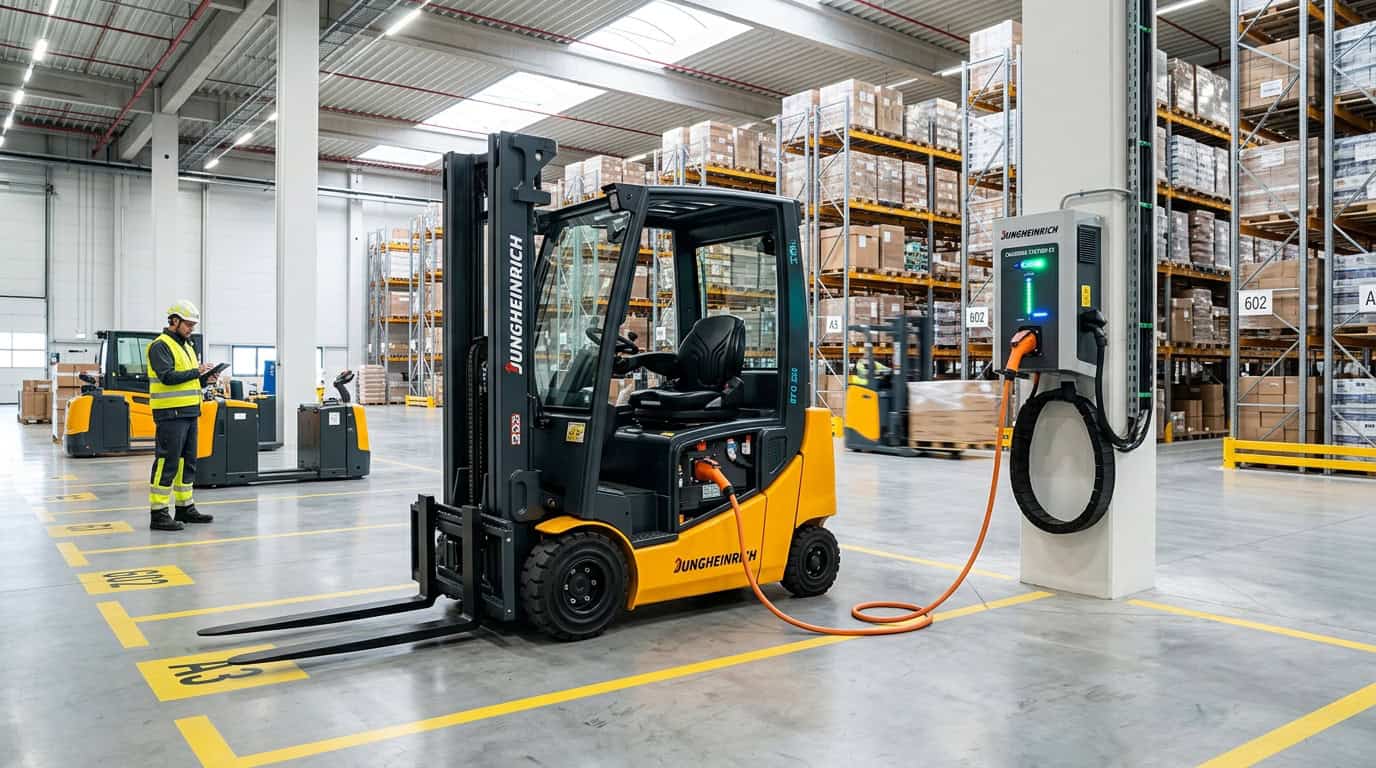
- Lithium-Ion (LiFePO4): Lithium requires only a robust electrical grid connection and high-frequency smart chargers. While dynamic load balancing (DLB) panels may be necessary for large fleets, the infrastructure cost is a fraction of hydrogen—usually ranging from $10,000 to $50,000 for a fleet of 20 forklifts.
Operational Energy Efficiency (Well-to-Wheel)
Physics strongly favors lithium-ion when evaluating total energy efficiency (from the power plant to the forklift wheels).
Hydrogen Fuel Cell Efficiency: Generating hydrogen via electrolysis loses about 30% of the energy. Compressing, chilling, and transporting the gas loses another 10-20%. Finally, the fuel cell itself is only about 50% efficient at converting hydrogen back into electricity. The round-trip efficiency is often below 35%.
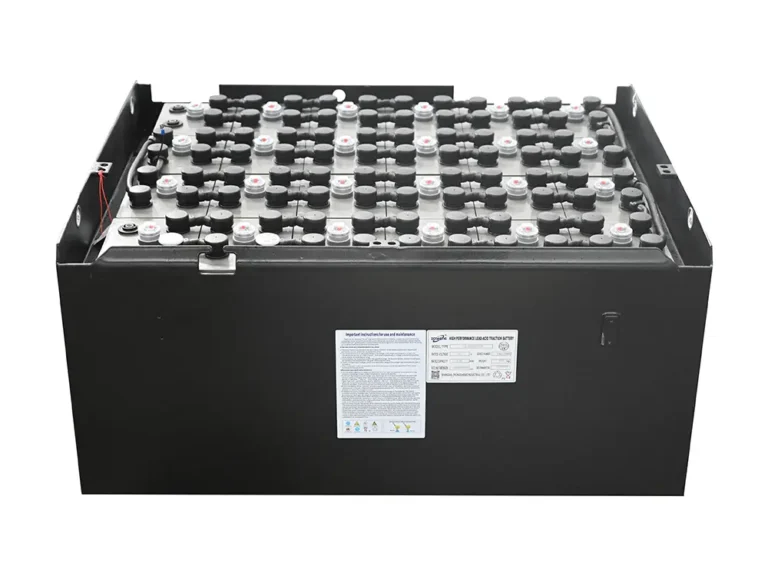
Lithium-Ion Efficiency: Grid electricity travels directly to the charger (94% efficient) and is stored in the Аккумулятор LiFePO4 (98% charge/discharge efficiency). The round-trip efficiency typically exceeds 90%, meaning you buy significantly less electricity to perform the exact same work.
Refueling Speed vs Opportunity Charging
Hydrogen proponents often cite the 3-minute refueling time. However, modern LiFePO4 forklift batteries easily counter this through Opportunity Charging. By plugging in the forklift during 15-minute coffee breaks and 30-minute lunch shifts, the battery remains sufficiently charged for continuous 24/7 operations, making the 3-minute hydrogen advantage negligible in practical workflows.
Why ZOSPOWER Champions Lithium
At ZOSPOWER, we engineer advanced LiFePO4 battery packs because they offer a vastly superior Total Cost of Ownership (TCO) for 95% of warehouses globally. Without the explosive risks of pressurized H2 gas, and with 3X the electrical efficiency, our custom lithium solutions ensure your fleet runs safely, sustainably, and profitably.