À medida que a primeira geração de baterias de iões de lítio para empilhadores, que foram adaptadas, se aproxima do fim da sua vida útil após quase uma década de serviço contínuo, as operações globais de movimentação de materiais enfrentam um ponto de inflexão transformador. Os regulamentos de Responsabilidade Alargada do Produtor (EPR), as exigências da economia circular e as proibições de deposição em aterros na América do Norte, na União Europeia e na Ásia-Pacífico estão a redefinir a forma como as empresas gerem as baterias de tração em fim de vida. Longe de representarem um encargo oneroso relacionado com resíduos perigosos, as baterias de fosfato de ferro e lítio (LiFePO₄) para empilhadores que chegam ao fim da vida útil mantêm um valor eletroquímico substancial para o armazenamento de energia estacionário secundário (BESS) e para a reciclagem hidrometalúrgica em circuito fechado.
1. A onda de desativação de baterias industriais e os requisitos legais
Entre 2016 e 2020, dezenas de milhares de centros de distribuição industrial substituíram as suas frotas de baterias de chumbo-ácido inundadas por baterias de LiFePO₄. Quando uma bateria de empilhador para serviços pesados se degrada até atingir aproximadamente 75% a 80% – Estado de Saúde (SOH), a densidade energética restante poderá já não ser suficiente para suportar operações extenuantes de 12 horas com elevação elevada. No entanto, a eliminação destas baterias em aterros industriais é estritamente proibida ao abrigo da legislação ambiental internacional:
- Regulamento da UE relativo às baterias n.º 2023/1542 (obrigações decorrentes da responsabilidade ambiental): Conforme analisado no nosso Regulamento da UE sobre baterias e guia sobre o passaporte digital das baterias, os fabricantes e importadores europeus de baterias industriais são legalmente responsáveis pelo financiamento da recolha, triagem e cumprimento das taxas mínimas obrigatórias de reciclagem (80% para o níquel, 50% para o lítio até 2027, aumentando para 80% até 2031).
- Lei de Conservação e Recuperação de Recursos (RCRA) da Agência de Proteção Ambiental dos EUA (EPA): As baterias industriais de lítio de grande formato são regulamentadas como «Resíduos Universais» ao abrigo do 40 CFR Parte 273, o que exige manifestos de transporte certificados, embalagens para materiais perigosos da Classe 9 do DOT e registos de auditoria que abranjam todo o ciclo de vida do produto.
- Obrigações das empresas em matéria de ESG de âmbito 3: Os prestadores de serviços de logística empresarial devem incluir o tratamento no fim da vida útil nos seus relatórios sobre gases com efeito de estufa do Âmbito 3, transformando os protocolos de eliminação em indicadores de sustentabilidade empresarial auditados.
2. Cascata de segunda vida: transformação de baterias de empilhadores fora de serviço em BESS
Ao contrário dos equipamentos eletrónicos de consumo, cujas células de polímero de lítio sofrem um inchaço grave e degradação interna, as células prismáticas de LiFePO₄ de nível industrial mantêm uma estabilidade mecânica e uma robustez térmica excecionais, mesmo após 3 500 a 4 000 ciclos de descarga profunda.
Quando uma bateria de tração é retirada de serviço de um empilhador de contrapeso exigente da Classe I, as suas células possuem uma capacidade residual ampla para aplicações estacionárias, nas quais a densidade energética volumétrica e a aceleração rápida e contínua não são fatores limitantes:
| Parâmetro operacional | Serviço de manutenção de empilhadores «First-Life» | Armazenamento Estacionário de Energia de Segunda Vida (BESS) | Vantagem da Economia Circular |
|---|---|---|---|
| Taxa C de funcionamento | Dinâmico 1,0 C contínuo, 3,0 C por impulsos | Carregamento/descargamento moderado de 0,2 °C a 0,5 °C | Reduz drasticamente a taxa de degradação secundária |
| Choques mecânicos e vibrações | Impactos violentos no pavimento, choques nas placas de ligação | Montagem estática em rack numa sala com climatização controlada | Elimina a fadiga estrutural nas barras condutoras |
| Vida útil residual prevista | 5 a 8 anos (4 000 ciclos até um SOH de 80%) | Mais 6 a 10 anos (até ao nível de integridade (SOH) 50%) | Duplica a vida útil total amortizada |
| Aplicação principal | Elevação de mastros pesados, deslocamento a alta velocidade | Redução de picos de consumo, armazenamento de energia solar, apoio à microrrede | Reduz as taxas de consumo de eletricidade da rede das instalações |
Nas instalações industriais modernas, as baterias de empilhadores em segunda vida são reutilizadas no próprio local unidades de armazenamento em baterias para microrredes. Ao combinar estas baterias de segunda vida fixas com painéis solares instalados nos telhados das instalações, os centros de distribuição amortecem o elevado consumo de energia dos carregadores rápidos durante as horas de pico das tarifas da rede elétrica, criando um ecossistema energético de ciclo fechado ultraeficiente.
3. O processo de classificação: como a BMS Telematics otimiza a triagem
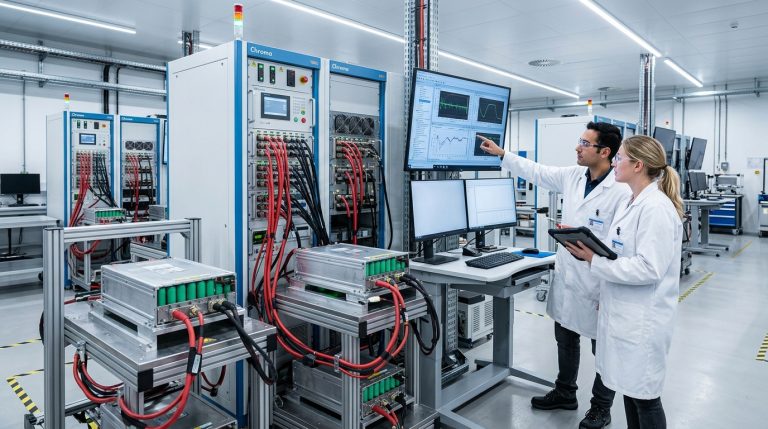
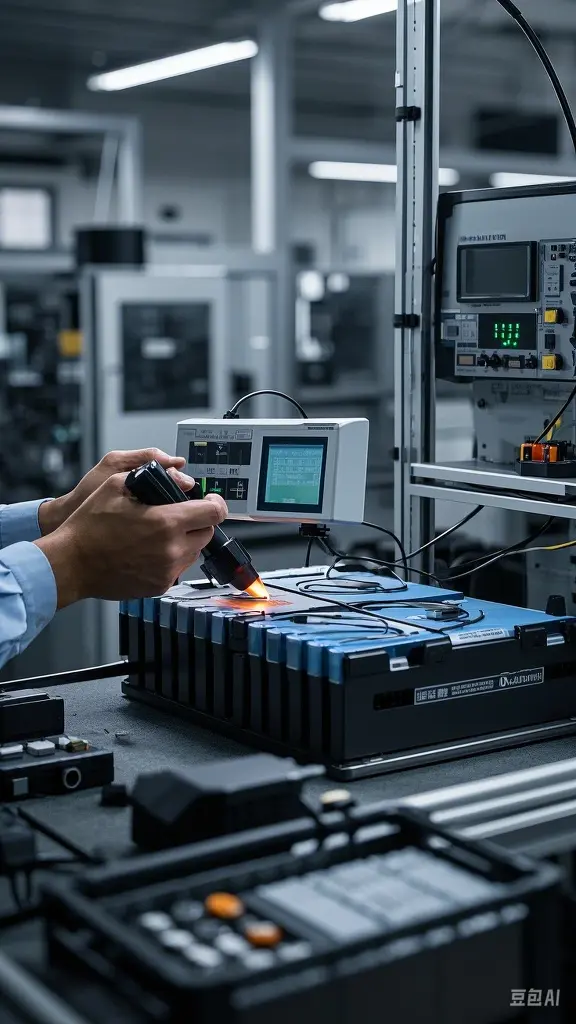
O principal obstáculo económico com que a reutilização de baterias em segunda vida se tem deparado historicamente tem sido a desmontagem dispendiosa e trabalhosa, bem como os testes manuais às células necessários para determinar o estado de cada uma delas. A Zospower elimina este estrangulamento ao nível da engenharia.
Porque todas as baterias Zospower incorporam um sistema inteligente Arquitetura de Telemática e IoT da BMS, os dados operacionais históricos completos são registados de forma permanente numa memória flash não volátil:
- Verificação do odómetro e do rendimento: Registos precisos do rendimento acumulado em Ah/MWh e da contagem de Coulomb atestam a produção histórica exata de energia sem necessidade de ensaios destrutivos.
- Variação da tensão e da impedância das células: O BMS regista a evolução da resistência interna máxima (AC/DC IR) e a diferença entre células em todas as células em série, identificando instantaneamente os módulos defeituosos.
- Auditoria ao historial térmico: Os engenheiros responsáveis pelo desmantelamento verificam se a bateria alguma vez funcionou fora dos parâmetros de temperatura padrão (por exemplo, abuso térmico ou carregamento a temperaturas abaixo de zero sem aquecimento), qualificando apenas os núcleos de Grau A verificados para o reempacotamento para BESS.
4. Reciclagem hidrometalúrgica em circuito fechado: recuperação sem resíduos
Quando as células atingem, eventualmente, o SOH de 50% ou sofrem danos físicos que impedem a sua reutilização, são submetidas a um processo avançado de recuperação metalúrgica. Enquanto os antigos processos de fundição pirometalúrgica queimavam o grafite e o lítio, transformando-os em escória para recuperar o níquel e o cobalto, os modernos tratamento hidrometalúrgico alcança uma verdadeira circularidade elementar:
- Trituração e delaminação em ambiente de gás inerte: Os módulos de bateria descarregados são triturados mecanicamente numa atmosfera de azoto para prevenir riscos de incêndio, seguindo-se uma separação térmica a baixa temperatura dos aglutinantes e dos eletrólitos orgânicos.
- Extração da «Missa Negra»: As peneiras magnéticas e mecânicas separam a folha de cobre, as caixas de alumínio e os contrapesos de aço, produzindo uma “massa negra” ultrapura que contém lítio, ferro e compostos de fosfato.
- Lixiviação e precipitação química: A lixiviação ácida suave e a extração por solvente permitem obter mais de Taxas de recuperação 95% para o carbonato de lítio e fosfato de ferro (FePO₄) de qualidade para baterias, que são imediatamente reintroduzidos no processo de fabrico de precursores de cátodos a montante.
5. Valor económico residual: baterias de chumbo-ácido com eletrólito líquido vs. LiFePO4
Durante décadas, os gestores de armazéns recorreram a revendedores de baterias de chumbo-ácido usadas para obter um crédito modesto pela sucata, com base nos preços de mercado dos lingotes de chumbo ($0,15 a $0,25 por libra). No entanto, as baterias de chumbo-ácido não oferecem qualquer utilidade numa segunda vida útil e representam graves riscos ambientais durante o transporte.
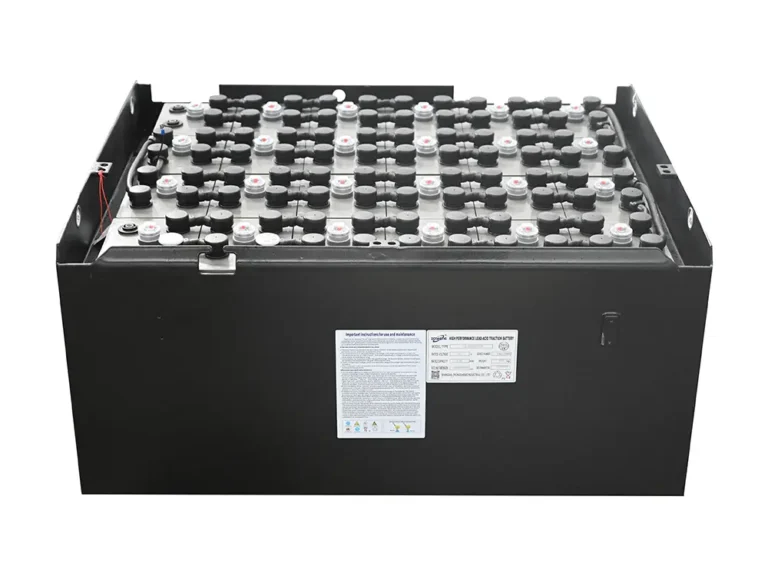
Em comparação, um conjunto de baterias LiFePO4 de 48 V e 600 Ah para empilhadores, já fora de serviço, retém aproximadamente 23 kWh de armazenamento de energia utilizável. Quando vendidas a integradores certificados de armazenamento de energia secundário ou devolvidas através dos programas de recompra em cascata da Zospower, as frotas empresariais recuperam 15% a 22% do custo inicial de capital da bateria—um valor residual financeiro que acelera drasticamente o retorno total do investimento (ROI) para além do tradicional Modelos financeiros de custo total de propriedade (TCO) para baterias de chumbo-ácido vs. LiFePO₄.
6. Lista de verificação para o desmantelamento e reciclagem da frota empresarial
Os responsáveis pelas frotas que se preparam para retirar de serviço as baterias de tração industrial devem implementar este fluxo de trabalho normalizado de conformidade:
- Exportar o dossiê completo da BMS Telematics: Descarregue o relatório de diagnóstico da vida útil criptográfica para verificar o SOH residual e determinar a avaliação certificada do valor de recuperação.
- Garantir embalagens certificadas de Classe 9: As baterias usadas devem ser transportadas em estrita conformidade com as diretrizes de embalagem do DOT / UN 38.3 (utilizando caixas de transporte em aço resistentes ao impacto e não condutoras, com revestimento de vermiculite ou de supressão de incêndios).
- Estabeleça parcerias com empresas de reciclagem certificadas pela R2 / e-Stewards: Estabeleça contratos exclusivamente com empresas de reciclagem certificadas segundo as normas ISO 14001, R2v3 ou e-Stewards, para garantir a responsabilidade civil pelos resíduos perigosos ao longo de todo o seu ciclo de vida.
- Integração com o planeamento da renovação da frota: Coordenar de forma integrada o desmantelamento das baterias com a implementação de novas baterias de lítio de alta eficiência em grandes marcas como Toyota, Linde, e Hyster.
Maximize o valor residual das baterias com as soluções circulares da Zospower
As suas baterias de empilhadores envelhecidas estão prontas para serem retiradas de serviço ou para a renovação da frota? A Zospower oferece uma gestão abrangente do ciclo de vida, cadeias certificadas de reutilização de baterias em segunda vida (BESS) e serviços de reciclagem em circuito fechado auditados, que maximizam o valor de recuperação do capital e eliminam a responsabilidade ambiental.
Contacte hoje mesmo a nossa equipa de consultoria em economia circular para avaliar o estado residual das baterias da sua frota e obter créditos de recompra garantidos.