Underground mining operations and deep tunneling excavation represent the absolute frontier of industrial vehicle punishment. Confined drifts, steep 20% ramp declines, abrasive rock dust, methane-laden explosive atmospheres, and violent 25G–30G mechanical impacts create an operating envelope where conventional equipment suffers catastrophic failure rates. By 2026, the underground extractive industry is aggressively accelerating the transition from diesel Load-Haul-Dump (LHD) loaders, haul trucks, and utility support vehicles to heavy-duty lithium traction architectures. This technical white paper examines the engineering mechanics behind zero-emission underground haulage: low-profile chassis pack integration, MSHA Part 18 and ATEX Group I explosion-proof flameproof containment, multi-axis shock attenuation, and multi-megawatt opportunity charging protocols designed for the harshest subterranean environments.
| Engineering Metric | Tier-4 Final Diesel LHD Loader (14-Ton) | Ultra-Heavy LiFePO4 / LTO Electric LHD (14-Ton) | Operational Advantage & Impact |
|---|---|---|---|
| Drift Ventilation Power Demand | 150 to 220 m³/min per machine required for DPM dilution | Zero toxic exhaust; base thermal cooling airflow only (<45 m³/min) | 40%–60% reduction in underground auxiliary fan electricity |
| Peak Grade Haul Velocity | 7.5 km/h sustained on 15% ramp ascent | 12.8 km/h sustained with twin PMSM torque vectors | +35% higher haulage cycle productivity per shift |
| Mechanical Shock Tolerance | Rigid engine blocks prone to engine mount and bracket fatigue | 30G three-axis vibration-damped structural steel battery armor | Eliminates structural cracking over blast-rock ruts |
| Thermal Heat Rejection to Drift | ~350 kW waste heat dumped directly into working drift face | ~45 kW total heat dissipation (liquid-cooled radiator module) | Dramatically lower subterranean chiller cooling costs |
| Atmospheric Explosion Protection | Complex water scrubber exhaust and flame arrestor baskets | MSHA Part 18 / ATEX Group I Ex d flameproof certified enclosure | Intrinsically sealed against methane (CH4) & coal dust ignition |
1. The Underground Energy Trilemma: Ventilation Costs, Toxic DPM, and Thermal Load
In hard-rock mines and deep coal seams, depth dictates economics. As shafts reach depths exceeding 1,200 to 2,500 meters, geothermal rock temperatures often surpass 45°C (113°F). Operating heavy diesel machines in these environments introduces three compounding challenges:
- Ventilation Operating Expenditure: Subterranean mine ventilation networks consume between 30% and 42% of a mine’s entire operational electricity budget. Regulators (such as MSHA in North America and AS/NZS in Australasia) enforce stringent airflow volumes—typically 0.06 to 0.08 m³/s per rated kilowatt of diesel machinery—to dilute carcinogenic Diesel Particulate Matter (DPM), carbon monoxide (CO), and nitrogen dioxide (NOx). Replacing diesel LHD fleets with electric machinery slashes mine-wide airflow requirements by half.
- Ambient Thermal Loading: Diesel combustion engines operate at roughly 30% to 35% thermal efficiency, dumping the remaining 65% of fuel energy into the drift as radiant heat and scorching exhaust gas. Modern high-voltage permanent magnet synchronous motor (PMSM) drive systems and lithium traction packs operate at combined system efficiencies exceeding 91%, shedding roughly one-eighth the heat load into the drift face.
- Operator Ergonomics and Acoustic Stress: Confined subterranean tunnels act as acoustic reverberation chambers, subjecting operators to noise levels exceeding 105 dBA from turbocharged diesels and heavy transmissions. Battery-electric drivetrains operate under 78 dBA, eliminating whole-body structural vibration and driver auditory fatigue.
2. MSHA Part 18 & ATEX Group I (Ex d) Heavy Flameproof Containment Engineering
Methane gas desorption from fractured coal faces and combustible mineral dusts classify underground coal and specific mineral mines as explosive atmospheres (Hazardous Area Group I, Category M1/M2 under ATEX Directive 2014/34/EU; MSHA 30 CFR Part 18 in the United States). Lithium-ion battery packs deployed in these hazardous environments cannot rely solely on standard industrial sheet metal housings:
- Explosion Containment Philosophy (Flameproof Ex d): The battery containment vessel is engineered to withstand the internal detonation pressure of an air-methane mixture (~8.5 to 10.5 bar dynamic blast wave) without bursting or deforming beyond critical tolerances.
- Flamepaths and Flame Flanges: Every bolted interface, service lid, and high-voltage feedthrough is machined with precision flamepaths. If an internal ignition occurs, expanding hot gases are forced through extremely narrow, precisely calculated planar gaps (typically maximum gap $g \le 0.15\text{ mm}$ over a path length $L \ge 25\text{ mm}$). The high thermal conductivity of the massive steel walls cools the expanding flame front below the auto-ignition temperature of atmospheric methane (595°C) before it can reach the surrounding drift air.
- Hermetic Interlocking & Gas Relief Valves: Subterranean battery housings incorporate heavy-duty stainless steel sintered flame arrestors and explosion-rated relief disks to safely discharge hydrostatic overpressures during potential cell thermal events while quenching any flame breakout.
3. 30G Impact Structural Dynamics: Mitigating Blast-Rock Roadbed Shock
Unlike paved surface distribution centers or smooth concrete warehouse floors, underground haulage roads consist of fractured rock ballast, waterlogged slush ruts, and sharp bedrock benches. When a 14-ton capacity LHD carrying 30 metric tons of fractured ore traverses these ruts at 15 km/h, the chassis experiences violent tri-axial shock inputs peaking between 20G and 32G:
To ensure structural survival and prevent internal cell tab shearing or printed circuit board (PCB) micro-fractures, modern underground mining battery packs implement a four-tiered vibration dampening architecture:
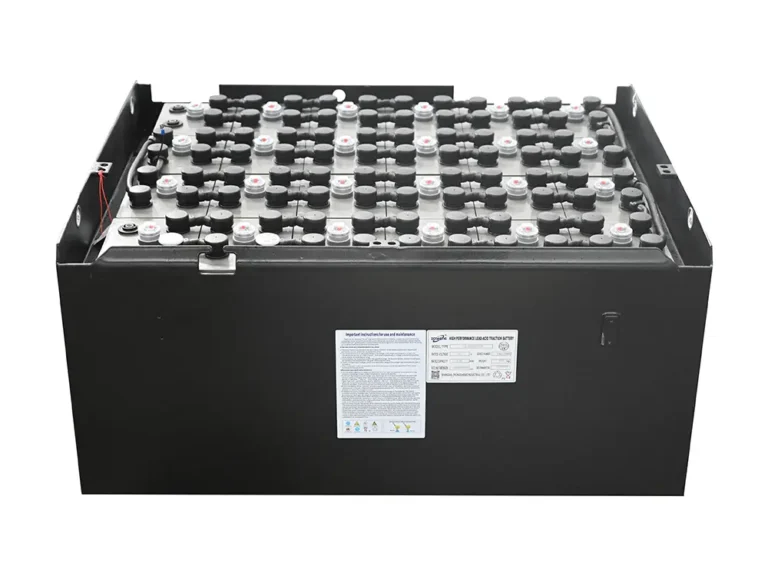
- Heavy Armor Armored Shell: The pack chassis is fabricated from high-yield 8mm to 12mm Weldox/Hardox 450 abrasion-resistant structural alloy steel, reinforced with internal structural stiffener ribs.
- Multi-Axis Elastomeric Isolator Bushings: The main battery modules do not bolt rigidly to the chassis. They rest on heavy-duty wire-rope or silicone-polyurethane isolators tuned with resonant frequencies far below the typical 12 Hz–35 Hz roadbed excitation frequency, attenuating transferred chassis shock by up to 74%.
- Laser-Welded Flexible Copper-Nickel Busbars: Solid copper busbars snap under cyclical shear stress. ZosPower subterranean mining modules utilize multi-lamination oxygen-free copper busbars with deep omega-formed stress relief loops, accommodating dynamic cell expansion and high-amplitude chassis twisting without imparting stress to terminal posts.
- Structural Non-Conductive Polyurethane Encapsulation: Core cell sub-assemblies are secured via flame-retardant structural foam matrix encapsulation, eliminating relative mechanical movement between adjacent pouch or prismatic cells.
4. Subterranean Thermal Management: Acid Mine Water Resistance and Dual-Loop Liquid Cooling
Underground drifts present extreme chemical and thermal challenges. Groundwater ingress frequently carries high concentrations of dissolved pyrite, forming acidic mine drainage with pH values plunging to 2.2–3.8, paired with conductive copper and iron particulate dust. Battery enclosures must achieve uncompromising IP67 / IP68 ingress protection ratings:
- Corrosion-Resistant Surface Engineering: Steel flameproof enclosures undergo multi-stage shot blasting followed by dual-layer zinc-rich epoxy primers and aliphatic polyurethane topcoats qualified under ISO 12944 C5-M (Very High Marine/Industrial Corrosivity).
- Dual-Circuit Dielectric Liquid Thermal Management: High-power hill-climbing ramps demand sustained 2C continuous discharge rates, generating substantial internal Joule heat ($P = I^2 R$). Mining packs incorporate closed-loop liquid thermal plates routing a 50/50 ethylene glycol-water mixture through vacuum-brazed aluminum cooling ribbons directly beneath each cell bank, keeping cell core temperatures strictly between 22°C and 34°C despite external drift temperatures reaching 45°C.
- Isolated External Heat Exchanger Modules: Hot coolant is circulated to heavy-duty, debris-resistant external radiators fitted with hydraulic or brushless reversing fans that purge rock dust accumulations every 30 minutes.
5. Fast-Swap vs. Megawatt Charging (MCS) in Deep Production Cycles
Continuous three-shift round-the-clock mining operations cannot afford four-hour idle charging intervals. Underground mine engineering has polarized into two primary deployment methodologies:
| 운전 매개변수 | Rapid Mechanical Pack Swapping (Crane / Fork System) | Ultra-High Power Megawatt Charging System (MCS) |
|---|---|---|
| Turnaround Downtime | 5 to 8 minutes per vehicle exchange | 15 to 25 minutes top-up (during shift change / muck delays) |
| Subterranean Infrastructure | Requires dedicated underground swap bay with heavy overhead hoist | Requires fortified charging alcove with flameproof substations |
| Pack Quantity Ratio | 1.5 to 2.0 battery packs per operational vehicle | 1.0 to 1.1 battery packs per operational vehicle |
| Electrical Grid Stress | Lower continuous charging rates (0.5C to 0.8C in swap bay) | High intermittent peak loads (600 kW to 1,200 kW per bay) |
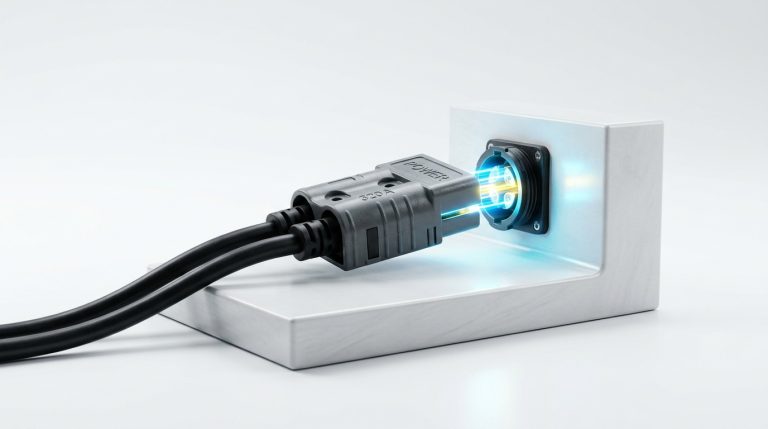
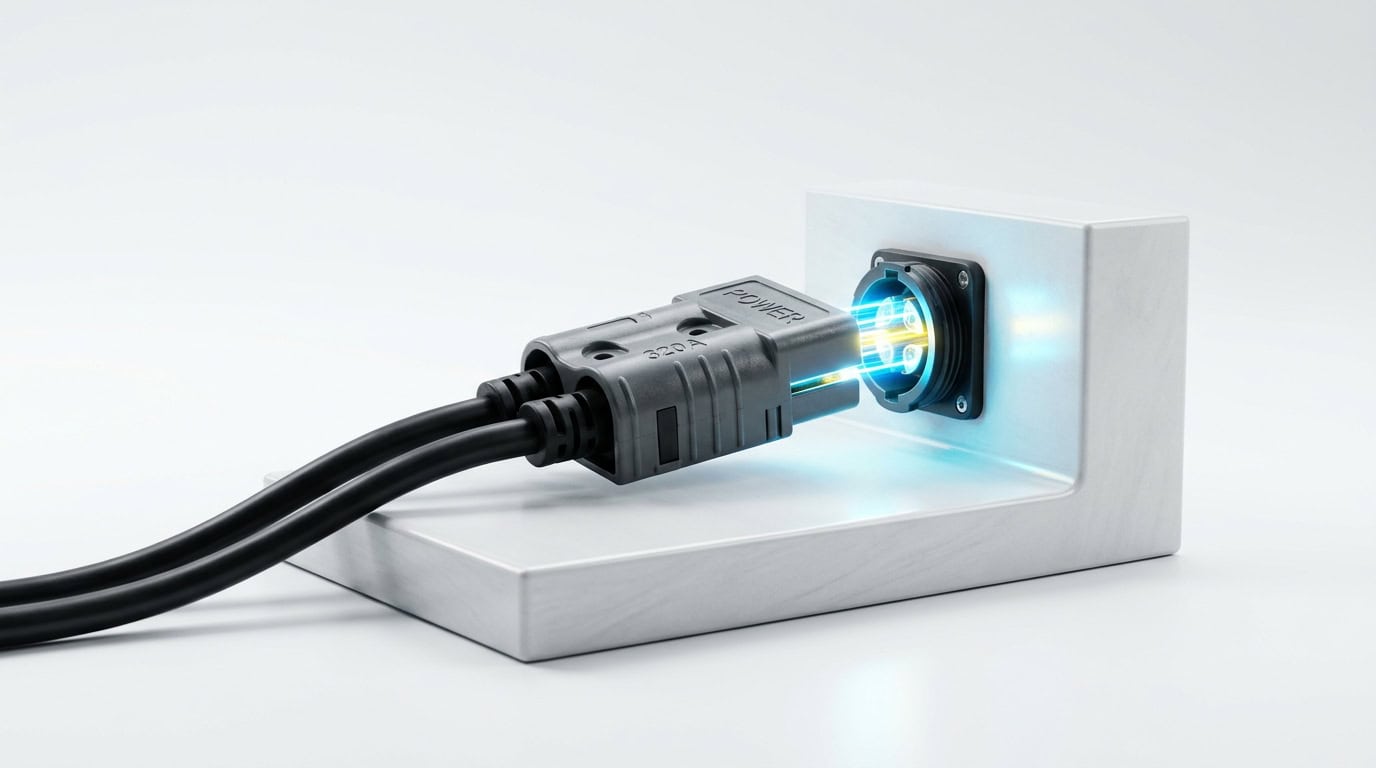
| Safety Risk Profile | Heavy mechanical handling risk during subterranean hoist lift | High-current automated contactor wear; requires active cooling cable |
6. Lifecycle Cost Analysis (TCO): Diesel Hauler vs. Heavy Lithium Fleet
While the initial acquisition cost (CapEx) of an electric LHD or underground haul truck is approximately 40% to 55% higher than its conventional diesel equivalent, the operational cost (OpEx) trajectory demonstrates overwhelming financial superiority over a standard five-year production window:
- Fuel vs. Electrical Energy: Diesel fuel delivered underground incurs substantial logistical markup, often exceeding $1.60 to $2.20 per liter delivered into deep drift tanks. High-voltage underground three-phase electrical power costs approximately $0.08 to $0.14 per kWh. The energy cost per ton of muck hauled drops by 70% to 78%.
- Powertrain Maintenance Reductions: Electric drivetrains eliminate torque converters, mechanical multi-speed transmissions, exhaust scrubbers, diesel particulate filters (DPFs), turbochargers, and complex hydraulic cooling packs. Scheduled powertrain maintenance hours decrease by over 60%.
- Ventilation Capital Offsets: In greenfield mine development projects, sizing intake and exhaust shafts for electric fleets reduces required shaft diameters by 25% to 35%, delivering millions of dollars in upfront civil excavation savings.
Engineering Heavy-Duty Underground Subterranean Power Solutions
Are you planning the electrification of your underground LHD loaders, utility vehicles, or drill rigs? ZosPower engineers and manufactures bespoke, high-capacity lithium iron phosphate (LiFePO4) and lithium titanate (LTO) traction systems engineered for extreme 30G subterranean shock, high-humidity mine drift environments, and explosion-resistant flameproof integration.
Contact our heavy industrial electrification engineering team today for thermal modeling simulations, custom battery pack dimensions, and turnkey subterranean charging solutions.