Why Proper Battery Sizing Matters
When transitioning a material handling fleet from lead-acid to lithium-ion, the most common mistake is simply matching the Ampere-hour (Ah) rating of the old battery. Because lithium batteries (LiFePO4) have a much higher usable capacity (up to 100% Depth of Discharge) and support ultra-fast opportunity charging, you often need a significantly smaller Ah rating than you think. Over-sizing wastes capital, while under-sizing disrupts operations.
Step 1: Determine the Required Voltage
The voltage of the battery is dictated entirely by the forklift’s motor controller. You cannot change this. Common voltages include:
- 24V: Used for electric pallet jacks and walkie stackers.
- 36V or 48V: Standard for 3-wheel and 4-wheel sit-down counterbalance forklifts and reach trucks.
- 80V: Reserved for heavy-duty applications (2-ton to 5-ton lifting capacities).
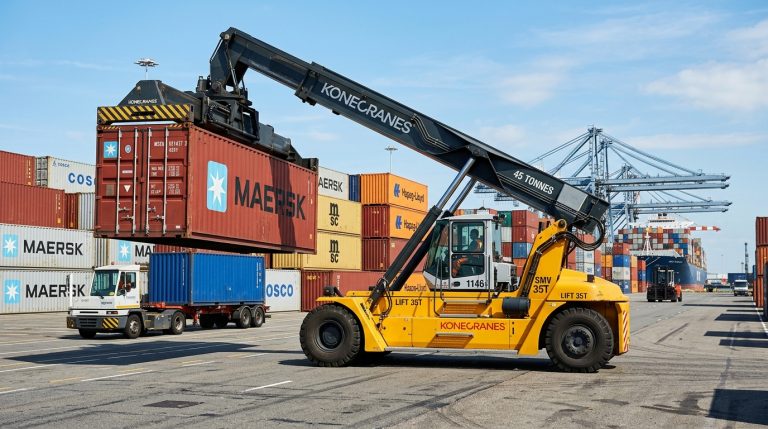
- 96V or 120V: High-voltage systems used in massive port equipment like reachstackers.
Step 2: Calculate the Energy Consumption (kWh)
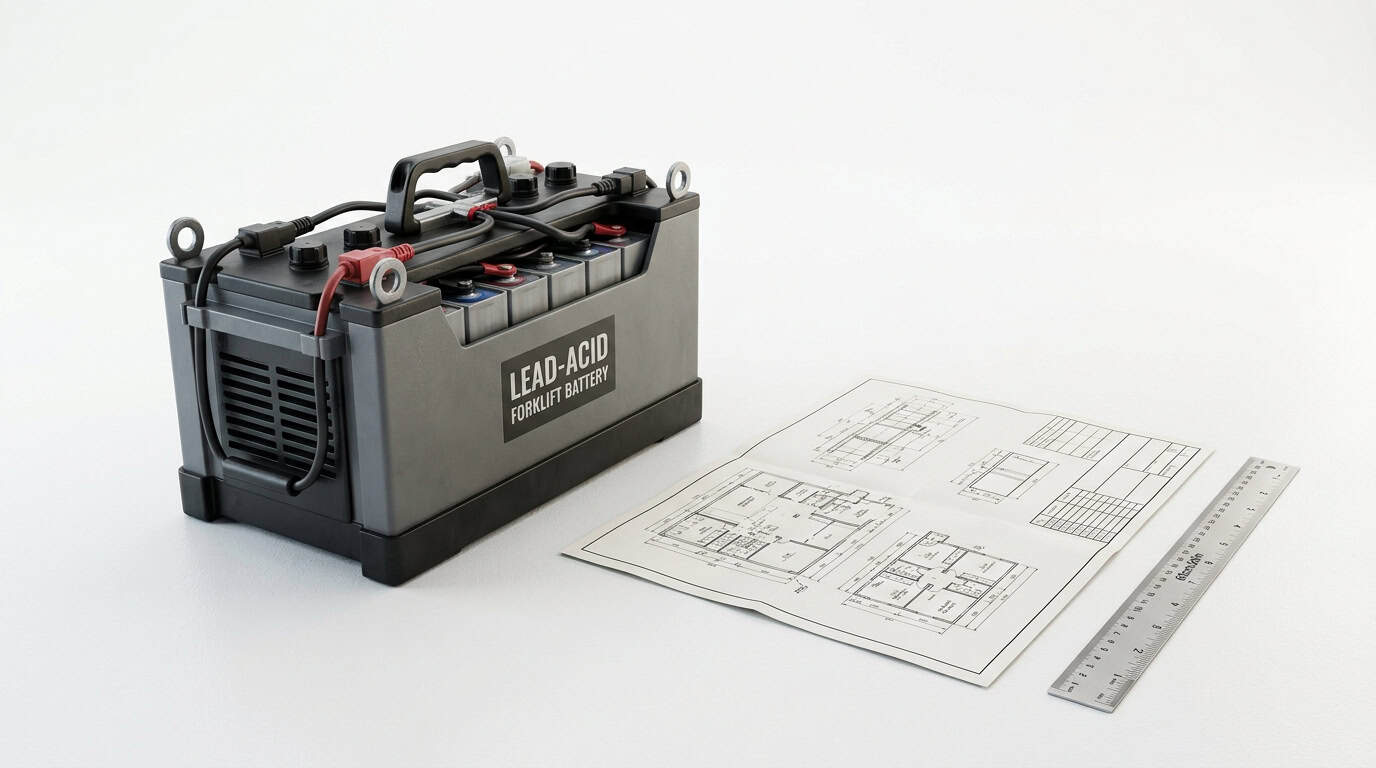
Instead of Ah, calculate the total energy your forklift consumes in a shift. Look at the data plate on your current lead-acid battery to find its voltage (V) and capacity (Ah).
Total Energy (kWh) = (Voltage × Ah) / 1000
For example, a 48V 600Ah lead-acid battery holds 28.8 kWh of energy. However, because lead-acid should only be discharged to 80%, the usable energy is only about 23 kWh. Furthermore, lead-acid loses efficiency as voltage drops during the shift.
Step 3: Factor in Opportunity Charging
This is where lithium changes the game. A ZOSPOWER lithium battery can be fast-charged during a 30-minute lunch break and two 15-minute coffee breaks, easily recovering 40% to 50% of its capacity mid-shift.
If your forklift consumes 20 kWh in an 8-hour shift, and you can replenish 10 kWh through opportunity charging, your battery only needs to hold 10 kWh (plus a safety buffer). Therefore, a much smaller, lighter, and more cost-effective lithium battery (e.g., 48V 300Ah) can easily replace a massive 48V 600Ah lead-acid battery.
Step 4: Check the Minimum Weight Requirement
Never ignore the forklift’s minimum battery weight requirement! The battery acts as the primary counterweight for the vehicle. Because lithium is inherently lighter than lead, ZOSPOWER builds custom steel ballast into every battery case to match the exact OEM weight specifications, ensuring your forklift won’t tip over when lifting heavy loads.
Need a custom sizing calculation for your fleet? Contact ZOSPOWER’s engineering team today for a free fleet energy audit.