Modern high-speed beverage packaging, brewery logistics, and soft drink bottling facilities operate around the clock at relentless throughput speeds exceeding 60,000 to 120,000 cans or bottles per hour. In these fast-paced, high-tonnage environments, electric counterbalance forklifts handle palletized finished goods (often utilizing multi-pallet handlers moving two to four pallets simultaneously, weighing 2.5 to 5.0 tons) across non-stop triple-shift schedules. Legacy lead-acid battery operations severely cripple bottling productivity through sluggish afternoon voltage sag, dangerous battery change-out bottlenecks, and unacceptable food-grade cross-contamination risks caused by sulfuric acid mist and corrosive water-topping spills. In 2026, premier global beverage conglomerates are comprehensively transitioning to high-rate industrial LiFePO4 power architectures. This industry white paper examines the mechanical, electrical, and hygiene standards transforming beverage material handling.
1. The High-Speed Bottling Bottleneck: Severe Multi-Shift Demands
End-of-line palletizing and loading docks in bottling plants represent one of the highest-intensity material handling workflows in modern manufacturing:
- Multi-Pallet Attachment Hydraulic Strain: To match bottling line output, forklifts are equipped with double-pallet or quadruple-pallet clamps. Lifting and stabilizing multiple liquid-dense pallets generates continuous hydraulic pressure relief draws, pulling sustained 400A to 750A current pulses from the battery.
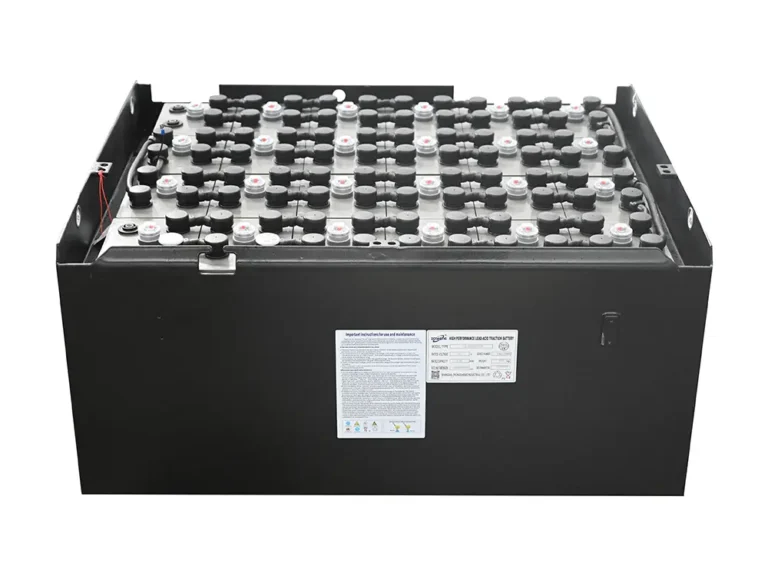
- Triple-Shift Continuous Running (24/7/365): Bottling facilities cannot tolerate truck downtime. Under lead-acid regimes, each forklift requires 3 battery packs and 2 to 3 battery swaps daily. Heavy battery changing cranes, dedicated change-out rooms, and 20-minute battery swap delays cause chronic dock congestion.
- Severe Food & Beverage Hygiene Compliance (HACCP & GMP): Wet bottling halls undergo frequent hot caustic washdowns. Traditional lead-acid batteries emit corrosive sulfuric acid vapors during charging and risk toxic acid spills on wet warehouse floors, jeopardizing beverage clean-zone audits.
- Slick, Wet Floor Traction & Ballast Integrity: Spilled beverages, sanitizing foam, and wash water create slick floor conditions. Battery packs must serve as precision-engineered ballast to maintain rear-wheel steering traction and dynamic stability during aggressive braking.
2. Specialized LiFePO4 Engineering for Bottling Facilities
To withstand the punishing pace of high-output beverage distribution, Zospower engineers heavy-duty LiFePO4 배터리 systems with specialized architectural features:
- High-Rate Charge Acceptance (1.0C Opportunity Fast-Charging): Premium prismatic LiFePO4 cells accept high-rate DC charging up to 300A without internal overheating. Forklift operators plug in during 15-minute scheduled breaks and 30-minute shift changes, eliminating battery room travel and achieving true 24/7 single-battery operation.
- Completely Sealed, Zero-Emission Chemistry: Hermetically sealed prismatic cells release zero hydrogen gas, zero acid aerosols, and require zero water topping. Charging can safely occur directly inside staging docks and packaging corridors, reclaiming valuable factory floor space.
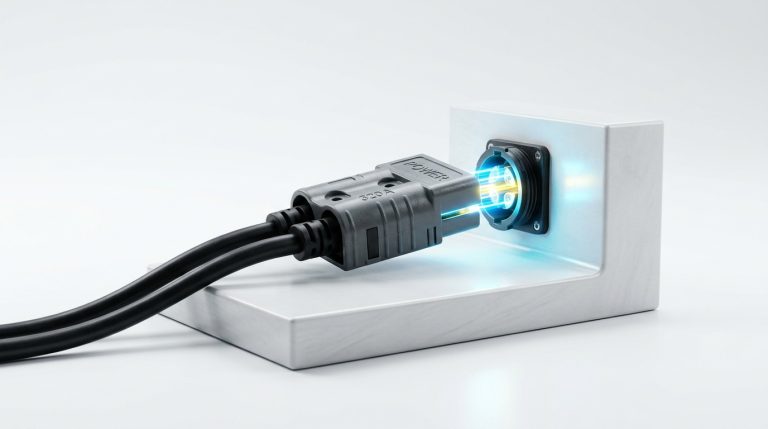
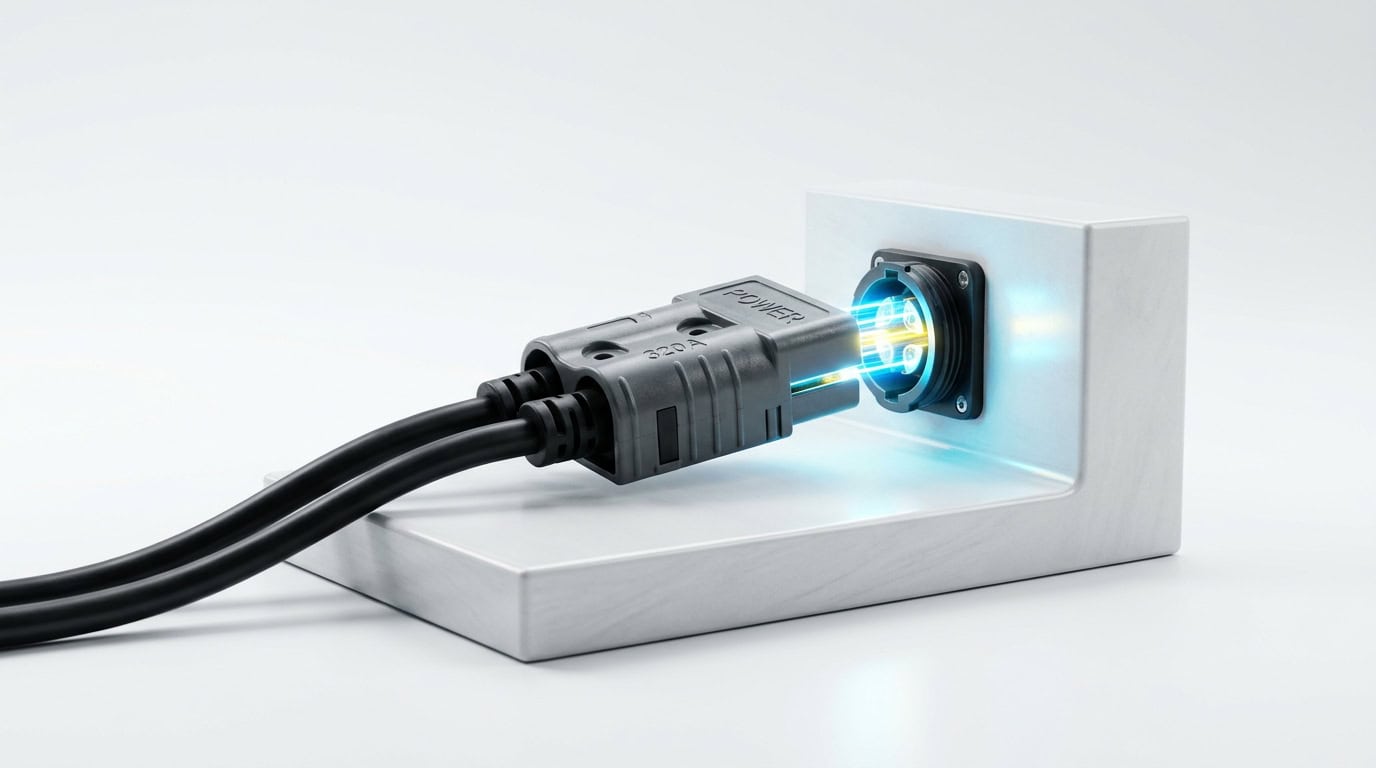
- IP67 Waterproof Dual-Gasket Armor: Heavy-gauge structural steel trays feature continuous EPDM rubber gaskets, marine-grade powder coating, and sealed REMA DIN connectors to withstand aggressive splashing from bottle-washing runoff and sanitation detergents.
- Active Cell Balancing & Flat Discharge Voltage Curve: Unlike lead-acid batteries that lose up to 25% mast lift speed as voltage sags past 50% depth of discharge, LiFePO4 maintains a rigid voltage platform (e.g., >76V on an 80V system) until the final 5% of capacity, ensuring consistent multi-pallet lift speeds all shift long.
3. Fleet Comparison: Lead-Acid Swapping vs. Zospower LiFePO4 Fast-Charging
The operational and environmental differences between legacy multi-battery lead-acid fleets and modern opportunity-charged LiFePO4 systems are detailed below:
| 운전 매개변수 | Legacy Lead-Acid Fleet (3 Packs per Truck) | Zospower Fast-Charging LiFePO4 System |
|---|---|---|
| Battery Asset Ratio | 3.0 packs per forklift (continuous rotation) | 1.0 pack per forklift (single permanent pack) |
| Multi-Pallet Mast Lift Speed | Drops 20% – 30% by mid-shift (voltage sag) | 100% constant mast speed until 5% SOC |
| Daily Battery Swapping Downtime | 45 – 60 minutes per truck / day (lost production) | Zero minutes (plug in during scheduled breaks) |
| Sanitary & Chemical Spillage Hazard | High risk of sulfuric acid leaks and boiling mist | Zero emissions; completely sealed dry chemistry |
| Energy Conversion Efficiency | 68% – 72% (significant heat loss during charging) | 94% – 96% electrical round-trip efficiency |
| Watering & Equalization Maintenance | Mandatory weekly watering, equalizing, washing | Zero maintenance; automated continuous BMS monitoring |
4. Financial TCO Audit: 20-Truck High-Volume Bottling Plant (5-Year Model)
To quantify the financial impact, the audit below evaluates a major soft drink and beer packaging hub operating 20 heavy counterbalance forklifts (3.5-ton capacity with double-pallet attachments) running continuous 3-shift operations (6,500 operational hours per truck/year):
| Financial Expense Category | Lead-Acid Fleet (60 Packs + Battery Room) | Zospower LiFePO4 (20 Packs + Fast Chargers) | 5-Year Net Bottling Savings |
|---|---|---|---|
| Battery Assets & Charging Infrastructure | $780,000 (60 packs + overhead crane extractors) | $980,000 (20 heavy packs + 10 fast chargers) | -$200,000 (higher initial CAPEX) |
| 5-Year Electricity Consumption | $820,000 (low charging efficiency + heat loss) | $575,000 (high-efficiency fast charging) | +$245,000 |
| Battery Swapping & Watering Labor | $450,000 (3 dedicated battery technicians) | $0 (operators plug in at dock during breaks) | +$450,000 |
| Reclaimed Factory Production Floor Space | 4,000 sq. ft. battery changing room | Decommissioned & converted to packaging buffer | +$400,000 in real estate value |
| Recovered Multi-Pallet Handling Productivity | $520,000 (avoided swap delays & full-speed lift) | $0 (consistent line-clearance throughput) | +$520,000 |
| Premature Battery Replacement (Year 3) | $620,000 (complete lead-acid replacement cycle) | $0 (LiFePO4 warranty covers 8+ years) | +$620,000 |
| 5년 전체 수명 주기 비용 | $3,190,000 | $1,555,000 | +$2,035,000 Total Net Savings |
The financial audit proves that converting a 20-truck bottling plant from lead-acid swapping to Zospower fast-charging LiFePO4 systems delivers over $2.03 million in net operational cash savings across 5 years, yielding a complete capital payback in just 11.8 months while entirely eliminating acid contamination risks near beverage lines.
5. Implementation Roadmap: Deploying Opportunity Fast-Charging in Bottling Logistics
Transitioning high-speed beverage logistics to lithium opportunity charging requires a coordinated rollout:
- Decentralized Dock-Side Charger Placement: Position 200A to 300A industrial fast chargers directly adjacent to truck loading bays and driver break stations to encourage automatic 10-minute opportunistic charging.
- Multi-Pallet Attachment Current Profiling: Verify that the battery BMS and main DC contactors are sized with ample thermal margin to handle continuous 600A+ hydraulic clamp breakaway surges without tripping overcurrent limits.
- Cloud Telematics & Fleet Charge Scheduling: Utilize integrated 4G/IoT telematics to track real-time state-of-charge across the fleet, balancing charger electrical demand with plant packaging line power draws.
- Custom Ballast Weight Matching: Ensure the battery manufacturer engineers custom structural steel ballast to match exact OEM counterweight specifications, ensuring absolute stability when swinging heavy double-pallet loads around high-speed dock turns.
For more detailed technical insights on heavy material handling and high-current electrical systems, explore our engineering guides on Hydraulic Power Matching & Voltage Sag Prevention, DC Contactors & Magnetic Blowout Design, 그리고 Charger CAN Protocol & State Machine.
Maximize Your Bottling Line Throughput with Zospower LiFePO4
Eliminate battery change-out delays, sustain peak multi-pallet lift speeds all shift long, and guarantee 100% acid-free food hygiene compliance. Zospower manufactures custom 80V and 96V heavy-duty LiFePO4 battery systems with 1.0C fast opportunity charging, IP67 waterproof armor, and integrated structural ballast engineered for high-speed beverage logistics.