As global cold chain logistics expands across refrigerated food distribution, deep-freeze pharmaceuticals, and biopharma supply chains, warehouse facility managers face unprecedented operational pressures. Operating material handling equipment in extreme sub-zero environments (-20°C to -30°C) amplifies equipment degradation, accelerates energy consumption, and complicates corporate ESG (Environmental, Social, and Governance) decarbonization targets. Transitioning cold storage forklift fleets from traditional flooded lead-acid batteries to custom-engineered Lithium Iron Phosphate (LiFePO4) systems is no longer just a maintenance upgrade—it has become a strategic imperative for operational survivability and carbon accounting compliance in 2026.
1. Global ESG Mandates & Sub-Zero Operational Realities
Refrigerated and frozen warehouses are among the most energy-intensive industrial assets in commercial real estate, consuming up to 10 to 12 times more kilowatt-hours per square meter than standard dry ambient distribution centers. Under tightening international sustainability reporting standards—such as the EU Corporate Sustainability Due Diligence Directive (CSDDD), California Climate Corporate Data Accountability Act (SB 253), and IFRS S2 Climate-related Disclosures—enterprise logistics operators must systematically audit and reduce their Scope 1 (direct emissions) and Scope 2 (indirect electricity emissions).
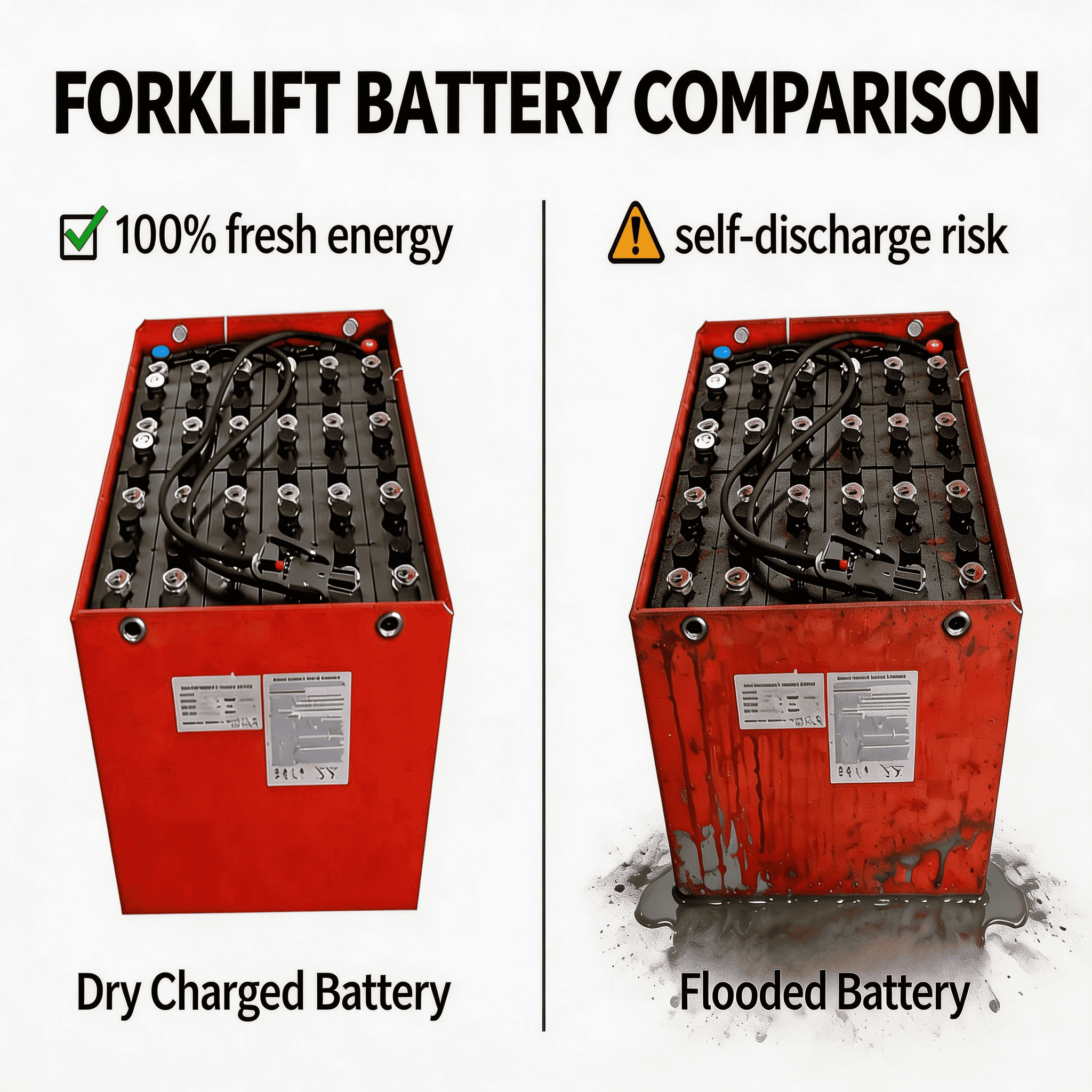
While electric forklifts eliminate direct tailpipe emissions inside enclosed cold storage, the hidden carbon penalty lies in thermal charging inefficiency. Traditional lead-acid batteries deliver an AC-to-DC charging round-trip efficiency of only 70% to 75% under ambient conditions, which plummets to below 55% in sub-zero freezers. By contrast, specialized industrial LiFePO4 batteries maintain round-trip wall-to-work efficiencies exceeding 92% to 95%, delivering immediate 30%+ reductions in facility electricity consumption.
| Metric / Parameter | Flooded Lead-Acid (-25°C) | Industrial LiFePO4 with PTC Heating (-25°C) | Cold Chain Impact |
|---|---|---|---|
| Usable Capacity Retention | 45% – 55% rated Ah | 92% – 98% nominal Ah | Prevents mid-shift dead-truck incidents |
| Wall-to-Work Energy Efficiency | 50% – 58% | 92% – 95% | Direct 35% cut in refrigeration grid load |
| Battery Swapping Requirement | 2 to 3 packs per forklift / day | Zero (1 pack dedicated per forklift) | Eliminates freeze-thaw condensation cycles |
| Acid Mist & Hydrogen Risk | Severe hazard (Sulfuric aerosol / H2) | Zero emissions (Hermetic sealed IP67) | 100% compliant with HACCP / FDA sanitary rules |
| Charging Mechanism | 8h charge + 8h cool down outside freezer | Fast opportunity charge (1C rate) inside dock | Maximizes fleet uptime across 24/7 rotations |
2. Chemical Thermodynamics: Why Lead-Acid Fails in Sub-Zero Freezers
To understand the economics, fleet engineers must inspect the electrochemical behavior of battery chemistries under sub-zero thermal stress. In flooded lead-acid batteries, the electrolyte consists of diluted sulfuric acid (H2SO4). At -25°C, the viscosity of the electrolyte surges dramatically, severely throttling ion diffusion between positive lead dioxide plates and negative spongy lead plates.
Furthermore, during discharge, the specific gravity of the electrolyte drops from 1.280 g/cm³ toward 1.100 g/cm³. At this discharged state, the freezing point of the weakened acid solution rises from -60°C to approximately -7°C, causing internal electrolyte freezing, fractured separator envelopes, and ruptured polypropylene case walls. Operators are forced to pull cold trucks out into ambient staging rooms for charging, triggering severe water condensation on terminal posts, contactors, and chassis wiring looms.
For deep technical specifications on sub-zero thermal insulation and internal heater wiring, consult our comprehensive Cold Storage Forklift Battery Engineering Guide.
3. LiFePO4 Smart Thermal Management: Built-in PTC Self-Heating
Lithium iron phosphate cells do not suffer from electrolyte stratification or freezing acid hazards. However, attempting to charge standard lithium cells below 0°C without thermal conditioning causes dangerous lithium plating on the graphite anode, permanently degrading cell capacity and posing short-circuit risks.
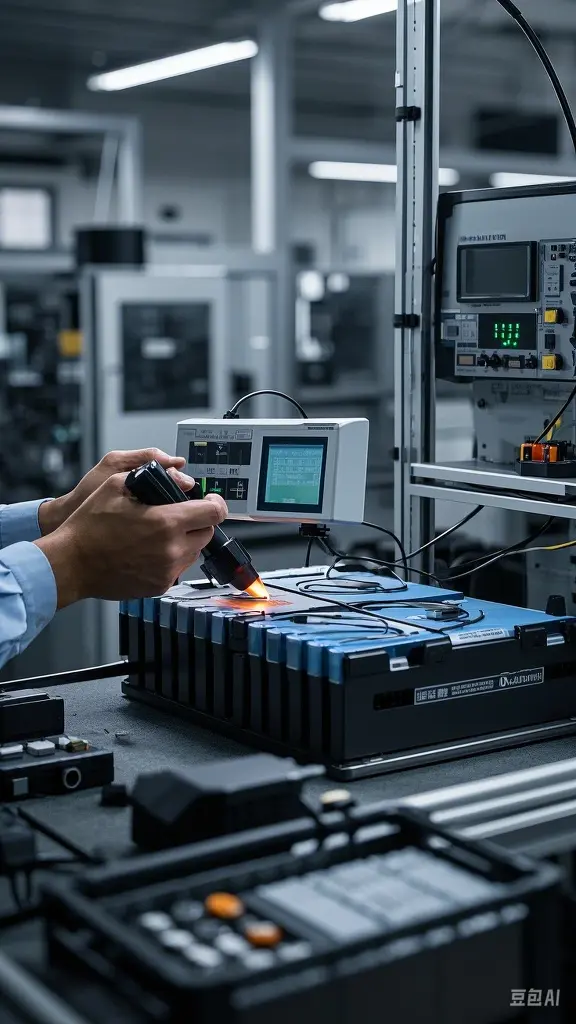
Zospower overcomes this fundamental barrier through an advanced Dual-Zone PTC Self-Heating Matrix integrated directly within the battery enclosure:
- Automatic Pre-Heating Logic: When plugged into an industrial charger in a cold staging dock, the intelligent Battery Management System (BMS) first directs charging current exclusively to internal silicone PTC heating blankets, raising core cell temperatures to +5°C before opening the primary charging contactor.
- Vacuum Aerogel Insulation Shield: High-density aerospace aerogel blankets line the 8mm heavy-duty powder-coated steel tray, minimizing thermal conductivity between exterior freezer air (-30°C) and the internal cell modules.
- IP67 Hermetic Sealing: Waterproof silicone gasketed lids and MIL-spec IP67 multi-pin breakout connectors prevent moist air from infiltrating during cold-to-warm transitions, completely eliminating internal condensation and corrosion on cell terminals.
- Dynamic CAN Bus Fleet Control: Real-time telematics stream cell temperatures, internal humidity, and individual series cell voltages to facility fleet dashboards via our BMS Telematics & IoT Fleet Monitoring System.
4. Eliminating Acid Mist in Clean Food & Pharma Cold Chains
In chilled logistics hubs handling dairy, meat, seafood, fresh produce, and biopharmaceuticals, chemical contamination risks are stringently audited under HACCP, BRCGS, and FDA Food Safety Modernization Act (FSMA) protocols. Traditional lead-acid batteries emit corrosive sulfuric acid aerosol and volatile hydrogen gas during bulk charging. As explained in our safety analysis on Forklift Charging Station Design & Hydrogen Ventilation Standards, traditional battery rooms require expensive explosion-proof exhaust fans and eyewash stations.
Switching to LiFePO4 completely eliminates acid handling, manual electrolyte topping, and hazardous off-gassing. Forklifts can safely recharge directly inside staging vestibules or fast-dock loading lanes without compromising sanitary audits or risking chemical cross-contamination with sensitive foodstuffs.
5. 5-Year Sub-Zero Fleet TCO & Financial ROI Model
While the initial procurement cost of an industrial LiFePO4 battery pack equipped with self-heating is higher than a baseline lead-acid battery, the operational economics in cold chain environments deliver rapid capital payback. Below is a real-world financial comparison for a 20-unit Class II Reach Truck fleet operating across a two-shift cold storage distribution center (-22°C):
| Cost Category (20 Forklifts, 5 Years) | Flooded Lead-Acid (2 Packs / Truck) | Zospower LiFePO4 (1 Pack / Truck) | 5-Year Savings |
|---|---|---|---|
| Initial Battery & Charger Capital Cost | $160,000 (40 packs + 20 SCR chargers) | $220,000 (20 heated LiFePO4 + 10 fast chargers) | -$60,000 (Higher Initial CapEx) |
| Battery Replacement (Year 3 for Lead-Acid) | $160,000 (Lead-acid degrades in 2.5 yrs cold) | $0 (LiFePO4 lasts 10+ years / 4,000 cycles) | +$160,000 |
| Electricity Consumption (AC Grid Draw) | $245,000 (52% charging efficiency in cold) | $142,000 (94% charging efficiency) | +$103,000 |
| Labor for Swapping & Battery Watering | $182,500 (30 min / truck / day @ $25/hr) | $0 (Zero swapping, zero watering) | +$182,500 |
| Battery Room Real Estate Opportunity Cost | $75,000 (1,500 sq.ft cold storage lost) | $0 (Charging units mounted on wall posts) | +$75,000 |
| 5年間の総運用コスト | $822,500 | $362,000 | +$460,500 Net Savings |
As the audited numbers demonstrate, a 20-forklift cold storage operation recovers the initial premium of lithium transition within 11 to 14 months, accumulating more than $460,000 in net operational savings over five years while avoiding over 180 metric tons of Scope 2 CO2 equivalents. Discover comprehensive multi-scenario financial formulas in our フォークリフト:リチウムイオン電池と鉛蓄電池の総所有コスト(TCO)および投資回収率(ROI)ガイド.
6. Engineering Best Practices for Cold Chain Fleet Electrification
Facility directors planning cold chain retrofits should adhere to key engineering principles to ensure flawless reliability:
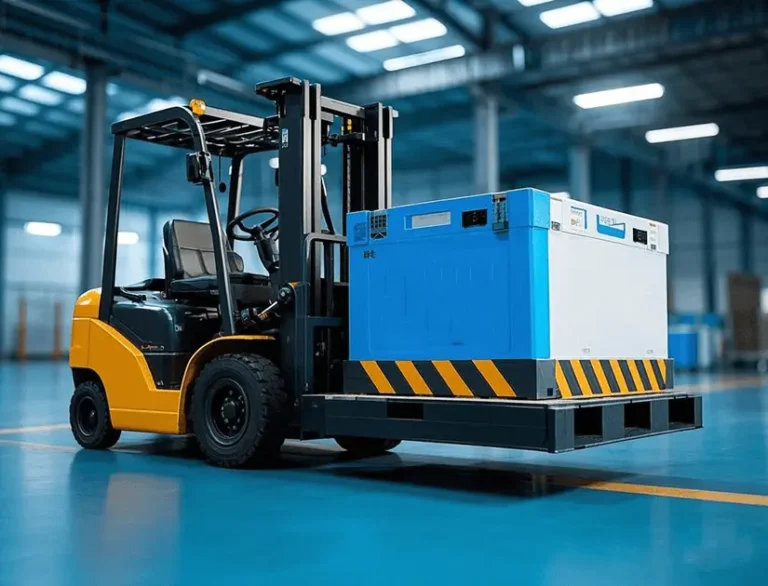
- Match Counterweight Specifications: High-reach pantograph trucks and counterbalance units require strictly calibrated chassis weight. Our custom LiFePO4 batteries integrate precision laser-cut cast ballast plates to match original OEM center-of-gravity profiles for brands like トヨタ, リンデ, クラウン, 、および ユングハインリッヒ.
- Position High-Frequency Chargers in Transition Zones: Mount intelligent industrial high-frequency chargers in ambient staging or cross-dock loading corridors (0°C to +5°C) to allow drivers to fast-charge during 15-minute breaks without dragging freezing cables across frost-slicked freezer aisles.
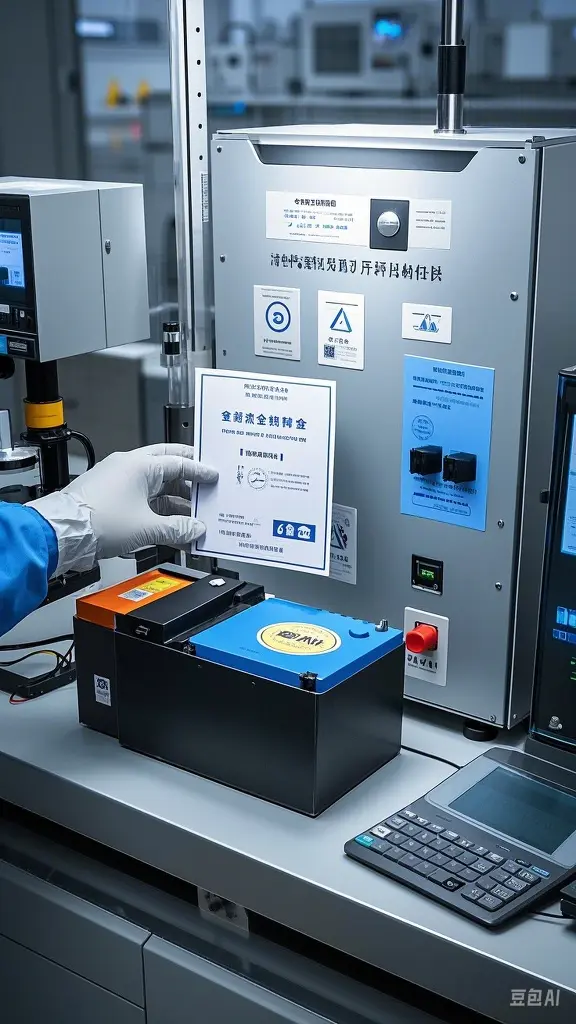
- Select Certified Safety Architectures: Verify that battery assemblies carry rigorous safety approvals including UL 2580, UN 38.3, and CE compliance as detailed in our Industrial Battery Safety & Certification Standards Guide.
As 2026 ushers in stricter enterprise sustainability quotas and continuous margin pressure in cold logistics, replacing legacy lead-acid batteries with heated LiFePO4 technology represents the single most impactful capital upgrade available to cold storage warehouse operators.
Audit Your Cold Chain Fleet & Calculate Sub-Zero TCO Payback
Are freezing temperatures draining your forklift battery runtimes and inflating warehouse electricity bills? Zospower engineers custom-tailored, self-heating LiFePO4 battery packs engineered specifically for extreme -30°C cold chain logistics and pharmaceutical cold rooms.
Contact our technical engineering team today for a confidential fleet audit, custom counterweight CAD integration, and turnkey charger deployment plans.