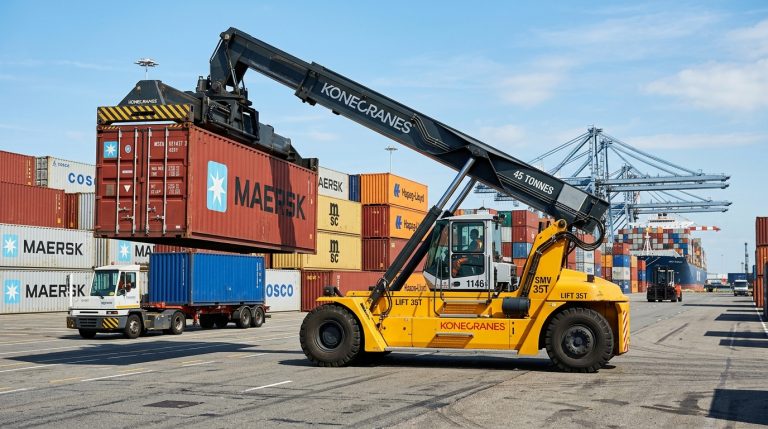
How to Maintain Forklift Batteries in Tropical Climates
The Invisible Enemy: Extreme Heat For ports and warehouses located in Southeast Asia, the Middle East, or Latin America, ambient temperatures routinely exceed 40°C (104°F)…


The Invisible Enemy: Extreme Heat For ports and warehouses located in Southeast Asia, the Middle East, or Latin America, ambient temperatures routinely exceed 40°C (104°F)…
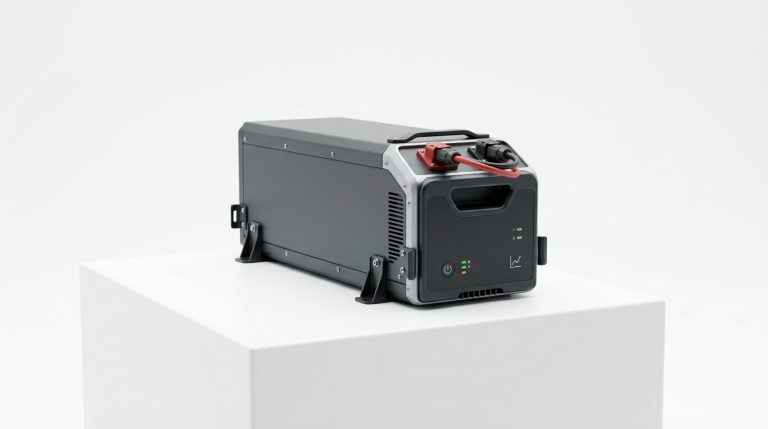
The High-Density Challenge of Modern High-Bay Warehousing As real estate costs skyrocket globally, modern logistics facilities are expanding vertically rather than horizontally. Very Narrow Aisle…
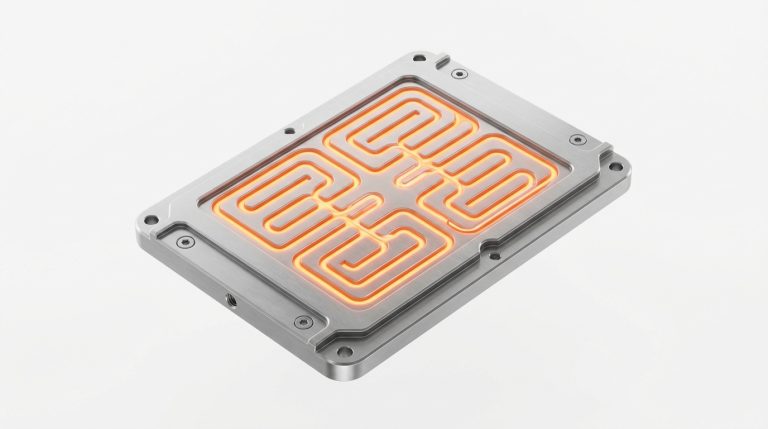
Why Industrial Batteries Depend on Temperature Control Industrial forklift batteries operate in the harshest environments on earth—from sub-zero cold storage freezers operating at -25°C to…
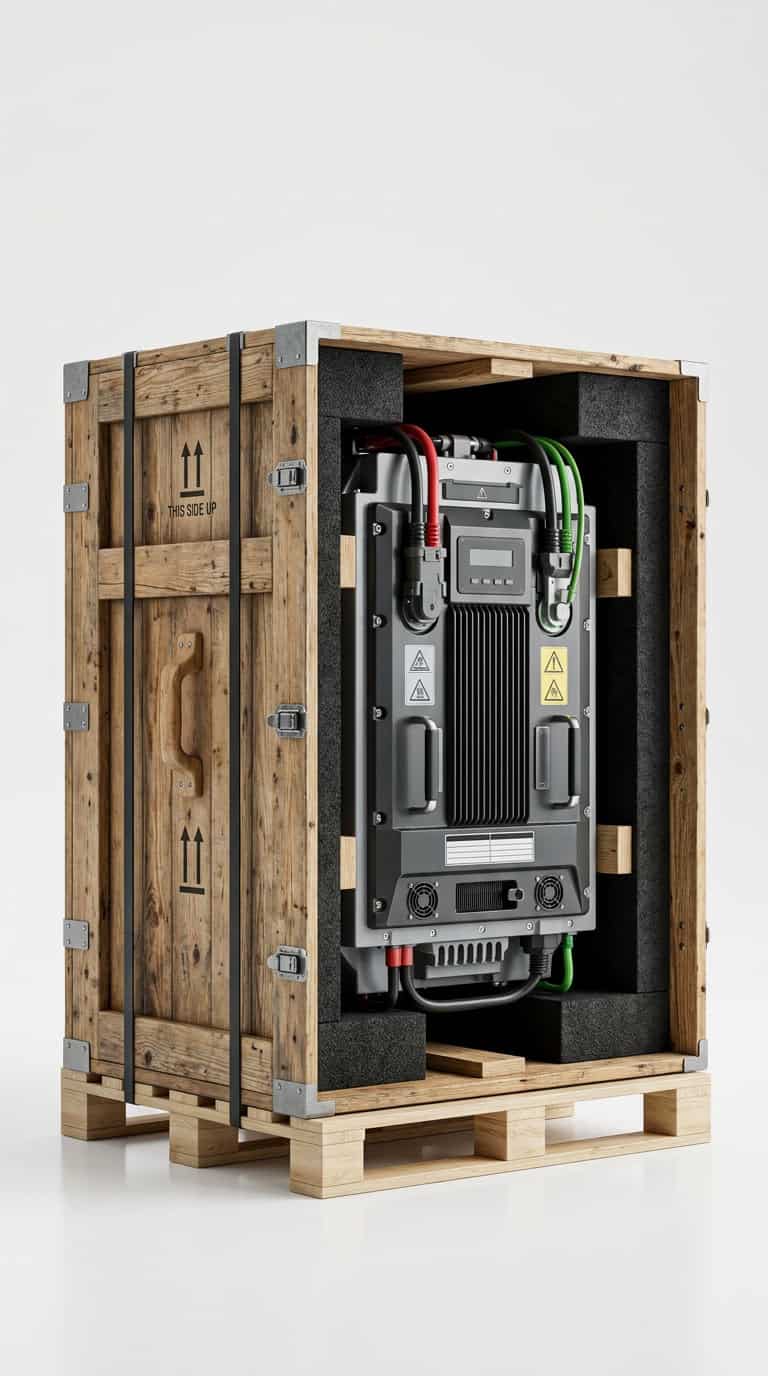
How Your Battery Talks to Your Forklift CAN bus is the central nervous system of modern industrial equipment…
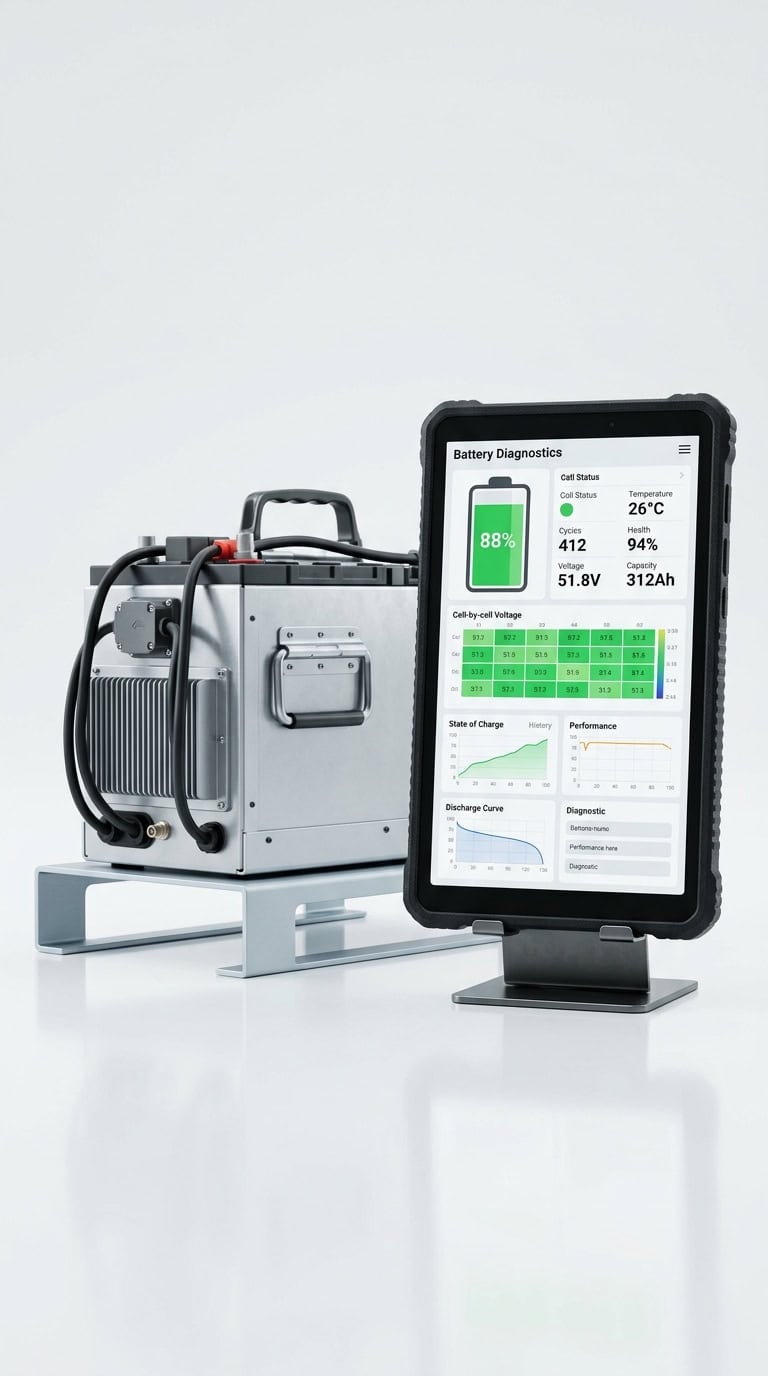
Data-Driven Warehouse Logistics Modern fleets require more than just power; they require intelligence…
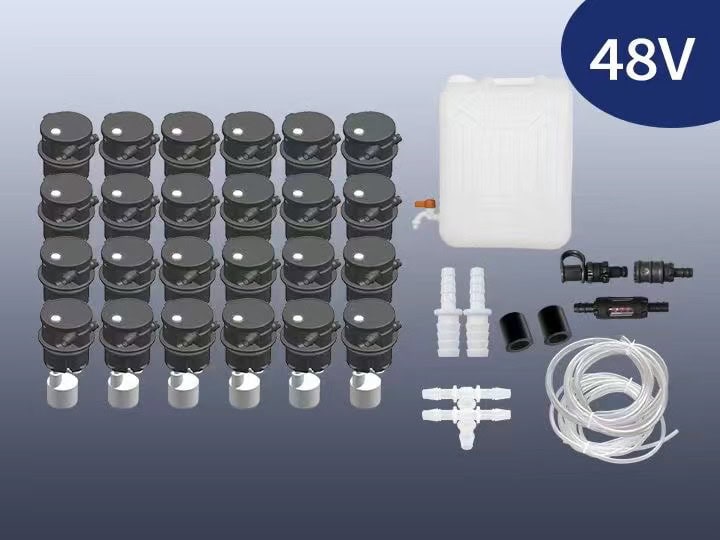
When 48V Just Isn’t Enough For standard warehouse operations, a 48V electrical system provides adequate torque. However, when dealing with extreme applications—such as lumber yards,…
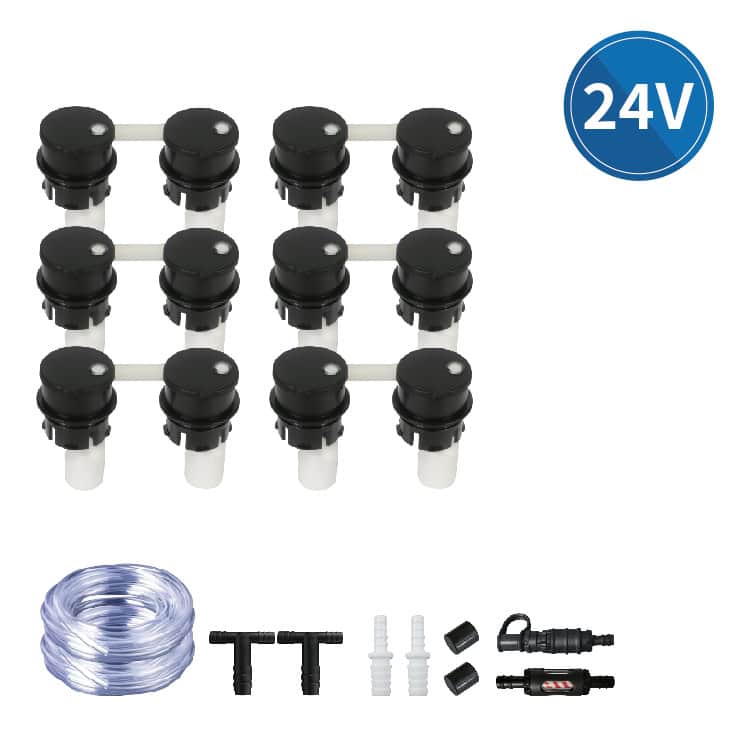
Beyond the Tailpipe: The Real Carbon Footprint Transitioning from internal combustion (IC) forklifts to electric fleets is the first step toward corporate sustainability. However, the…
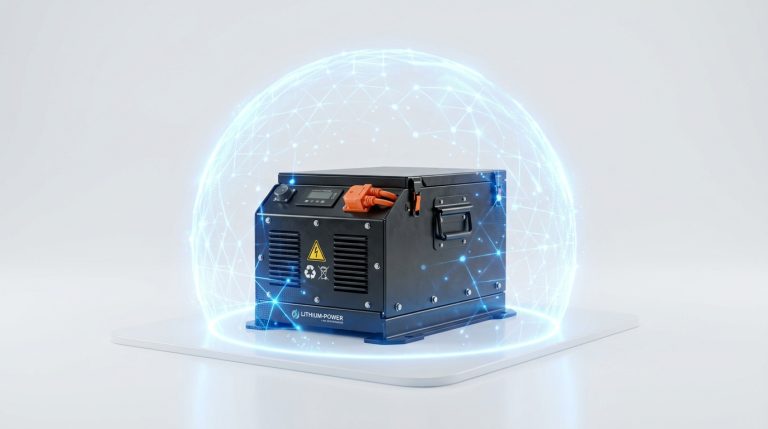
Dispelling the Lithium Fire Myth When fleet managers consider transitioning to lithium-ion forklift batteries, safety is often the first question raised. The media frequently highlights…
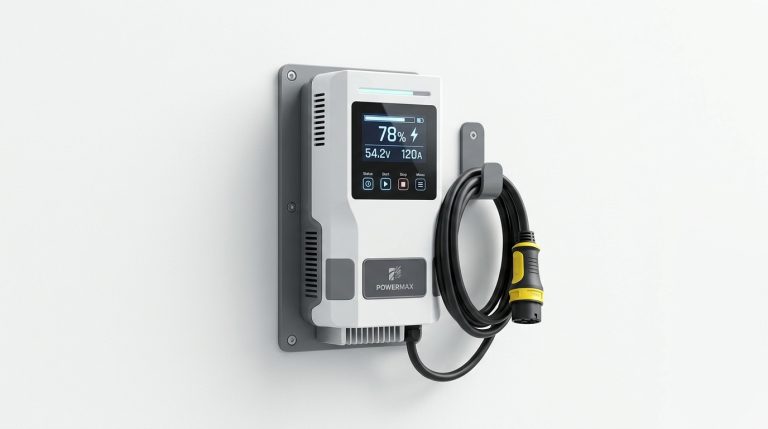
Understanding the Charging Backbone Upgrading to an advanced forklift battery is only half the equation; the battery charger is equally critical. For decades, traditional SCR…
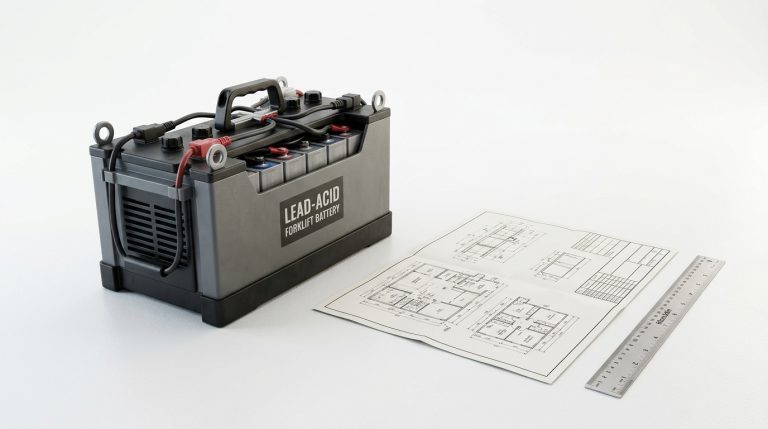
Why Proper Battery Sizing Matters When transitioning a material handling fleet from lead-acid to lithium-ion, the most common mistake is simply matching the Ampere-hour (Ah)…