In high-risk industrial environments—including chemical processing plants, pharmaceutical solvent synthesis, paint coating bays, oil & gas terminals, and combustible dust facilities—material handling equipment operates under the constant threat of catastrophic ignition. Traditional electric forklifts powered by flooded lead-acid batteries represent an inherent hazard due to chronic hydrogen outgassing and exposed liquid electrolyte. Transitioning to certified explosion-proof Lithium Iron Phosphate (LiFePO4) battery systems requires rigorous compliance with European ATEX Directive 2014/34/EU and international IECEx standards. This engineering guide details the electro-mechanical protection concepts, flameproof containment enclosures, and intrinsically safe BMS architectures essential for hazardous area operations.
1. Hazardous Area Zoning & Forklift Ignition Mechanisms
Under international standards (IEC 60079 series and EN 1755), industrial facilities are classified into distinct hazardous zones based on the frequency and duration of an explosive atmosphere:
- Zone 1 (Gas) / Zone 21 (Dust): Atmospheres where explosive mixtures of flammable gases, vapors, or combustible dusts are likely to occur in normal day-to-day operation (Category 2G / 2D equipment).
- Zone 2 (Gas) / Zone 22 (Dust): Atmospheres where explosive gas or dust clouds are not likely to occur in normal operation, or if they occur, will persist for only a short period (Category 3G / 3D equipment).
On a conventional electric forklift, potential ignition sources include electrical arcing at main contactors, mechanical friction sparks on battery tray rollers, electrostatic discharge across plastic battery lids, and surface operating temperatures exceeding the auto-ignition threshold of surrounding chemicals (such as acetone, toluene, ethanol, or hydrogen).
| Engineering Safety Parameter | Standard Flooded Lead-Acid | Zospower ATEX/IECEx Certified LiFePO4 | Hazardous Area Impact |
|---|---|---|---|
| Hydrogen Generation | Severe continuous outgassing (H2 @ Group IIC) | Zero gas emissions (Hermetically sealed cells) | Eliminates the lowest-MIE gas explosion threat |
| Enclosure Protection Concept | Ventilated steel box (Allows gas ingress) | Ex d (Flameproof) & Ex t (Dust-tight IP66/IP67) | Quenches internal arcs; prevents external flashover |
| Surface Temperature Class | Uncontrolled thermal dissipation | Certified T4 (≤ 135°C) o T5 (≤ 100°C) | Operates well below solvent auto-ignition limits |
| BMS Sensing Circuitry | N/A (No digital protection) | Ex ib (Intrinsically Safe galvanic barriers) | Sensor faults cannot generate sparks > 0.02 mJ |
| Terminal & Cable Interlock | Standard DIN friction plugs (Arc hazard) | Ex d flameproof interlocked pin disconnectors | Cannot be separated while carrying load current |
2. The Hydrogen Dilemma: Why Lead-Acid Jeopardizes Plant Safety
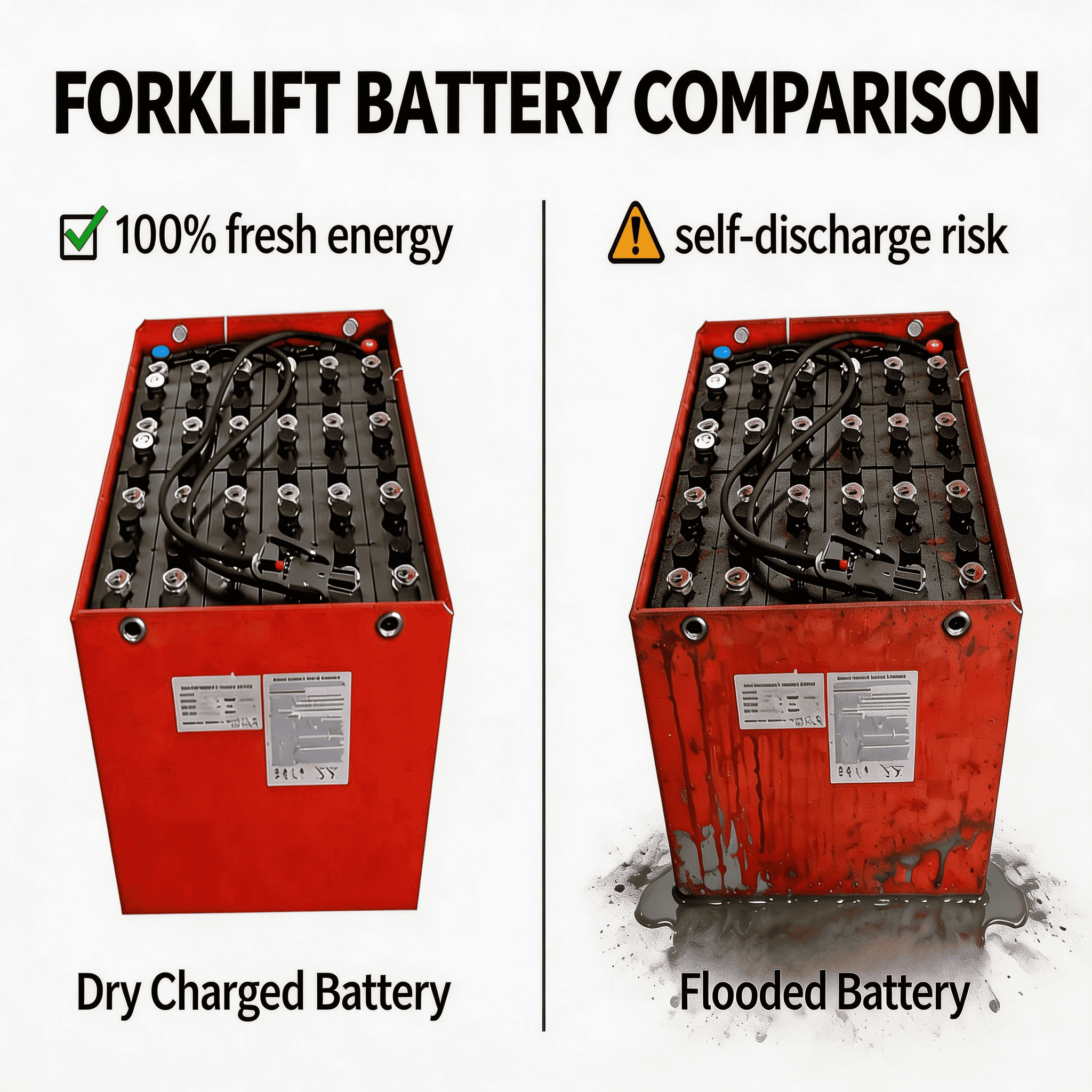
As documented in our safety research on Forklift Battery Charging Station Design & Hydrogen Ventilation, the electrolysis of water in flooded lead-acid batteries produces massive volumes of pure hydrogen (H2) and oxygen during bulk charging and heavy discharge. Hydrogen possesses a remarkably wide Lower Explosive Limit (LEL 4.0% to 75.6% by volume) and an ultra-low Minimum Ignition Energy (MIE) of just 0.017 millijoules—meaning a tiny static spark from an operator’s fleece jacket can trigger a lethal detonation.
Furthermore, lead-acid batteries require periodic topping with distilled water, forcing maintenance personnel to open cell caps inside industrial corridors. If sulfuric acid spills occur near chemical storage, acid contact with concrete or zinc coatings generates secondary volatile hydrogen reactions.
In stark contrast, Zospower LiFePO4 cells are hermetically laser-sealed. Under all standard and abnormal operating conditions, the chemical matrix releases zero hydrogen, zero acid mist, and zero corrosive vapors, completely removing the chemical fuel from the hazardous area equation.
3. Certified Protection Concepts: Ex d, Ex e, Ex t & Ex ib
Engineering a compliant explosion-proof lithium battery requires a layered hybrid protection architecture conforming to EN 60079 / IEC 60079 harmonized directives:
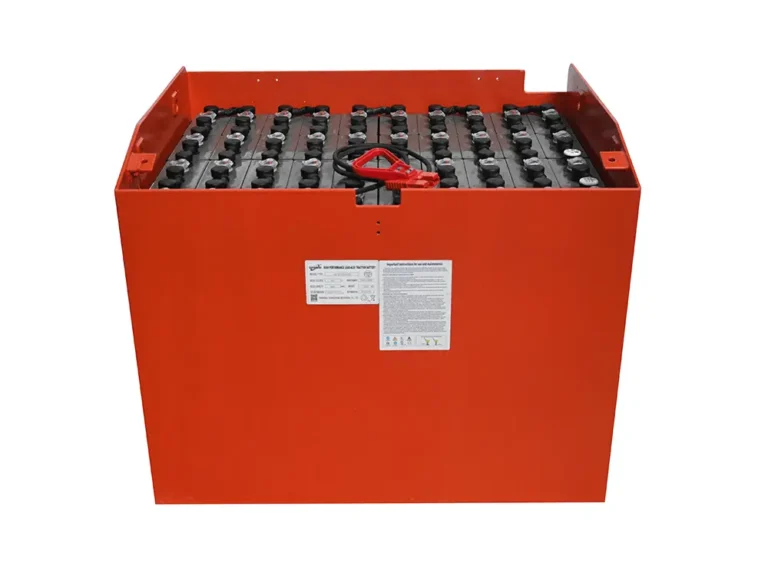
- Ex d (Flameproof Enclosure – IEC 60079-1): The primary battery tray is fabricated from heavy 10mm–12mm structural steel with certified machined flamepath gaps (< 0.15mm). If an internal component or inverter capacitor experiences an explosive flashover inside the battery box, the flamepath cools and quenches escaping gases before they can ignite flammable gases outside the enclosure.
- Ex e (Increased Safety – IEC 60079-7): Internal copper busbars and high-voltage connections feature double-nut locking, spring washers, and vibration-dampened torque fixings. Creepage and clearance distances are expanded by 200% above standard commercial thresholds to prevent flashovers across terminals.
- Ex t (Dust Ignition Protection by Enclosure – IEC 60079-31): For pharmaceutical powder, flour, and grain elevators (Zone 21/22), the enclosure achieves certified IP66 / IP67 ingress protection with continuous silicone or fluorosilicone sealing gaskets, preventing fine conductive dust from penetrating active electrical rails.
- Ex ib (Intrinsic Safety – IEC 60079-11): The multi-channel voltage, current, and temperature sensing leads connected to our BMS Telematics & IoT Fleet System pass through certified zener barrier galvanic isolators. In the event of a severed wire or shorted thermistor, energy is strictly capped below ignition energy thresholds.
4. Surface Temperature Classification (T-Class) & Thermal Runaway Margins
A critical ATEX requirement is equipment surface temperature limitation. Equipment operating in hazardous areas is assigned a Temperature Class (T-Class) that must remain strictly below the auto-ignition temperature of atmospheric gases:
- T3: Maximum surface temperature ≤ 200°C (Suitable for diesel, kerosene, petroleum).
- T4: Maximum surface temperature ≤ 135°C (Mandatory for acetone, benzene, ethanol, ethyl acetate).
- T5: Maximum surface temperature ≤ 100°C (Required for low auto-ignition chemicals).
Zospower explosion-proof traction batteries are engineered to T4 compliance (≤ 135°C) under continuous maximum discharge. Here, the intrinsic chemistry of Lithium Iron Phosphate (LiFePO4) provides an insurmountable safety advantage. As detailed in our benchmark study on Industrial Battery Safety & UL 2580 Compliance, LiFePO4 cathode decomposition occurs at 270°C—compared to volatile ternary NMC lithium chemistries which decompose violently at 150°C. The strong covalent P-O chemical bonds prevent thermal runaway and eliminate oxygen self-release during cell puncture or overstress.
5. Hazardous Area Charging & Flameproof Connectors
Under international safety standards, high-power DC fast charging should ideally occur in designated non-hazardous staging zones. However, for specialized facilities operating 24/7 without safe transit corridors, Zospower provides Zone 1 / Zone 2 certified flameproof connectors with integrated electrical and mechanical interlocks:
- Pilot Pin Interlock Circuit: An auxiliary low-voltage pilot contact ensures that primary DC power contacts cannot be energized until the flameproof plug is fully screwed into the receptacle.
- De-Energized Disconnection: If an operator attempts to uncouple the charging connector during an active cycle, the pilot circuit opens 50 milliseconds prior to physical contact separation, instantly dropping the charger output contactor to eliminate live arcing.
- Pairing with Industrial Fast Chargers: When charging in designated safe areas, battery packs interface with intelligent resonant systems described in our Guía para la selección de cargadores de carretillas elevadoras.
6. OEM Chassis Retrofit & Certification Audit Workflow
Converting an existing explosion-proof electric forklift (such as an EX-converted truck from Linde, Toyota, or Hyster) requires strict mechanical and regulatory harmony:
- Preserve Minimum Service Weight: Explosion-proof cast steel enclosures naturally contribute substantial mass, ensuring full compliance with chassis counterweight stability ratings.
- Conduct Anti-Static Grounding Continuity Audit: Verify that electrical resistance from any exposed metallic part of the battery casing to the forklift chassis ground is strictly < 10^6 ohms to eliminate electrostatic accumulation.
- Obtain Notified Body Certification Dossier: Ensure the complete battery assembly is supported by an EU-Type Examination Certificate issued by an accredited Notified Body (e.g., ATEX / IECEx certificate from BASEEFA, DEKRA, PTB, or INERIS).
Safeguard Hazardous Operations with Zospower ATEX/IECEx Lithium Solutions
Operating electric forklifts in flammable chemical or combustible dust zones demands zero compromises on explosion safety. Zospower manufactures certified Ex d / Ex t / Ex ib explosion-proof LiFePO4 battery systems tailored to meet stringent ATEX Zone 1/21 and Zone 2/22 directives.
Contact our certified explosion protection engineers today to audit your hazardous area material handling equipment, review T4 temperature certifications, and request custom CAD battery bay models.