The Invisible Enemy: Extreme Heat
For ports and warehouses located in Southeast Asia, the Middle East, or Latin America, ambient temperatures routinely exceed 40°C (104°F) with high humidity. This tropical climate is the ultimate enemy of industrial batteries.
The Lead-Acid Meltdown
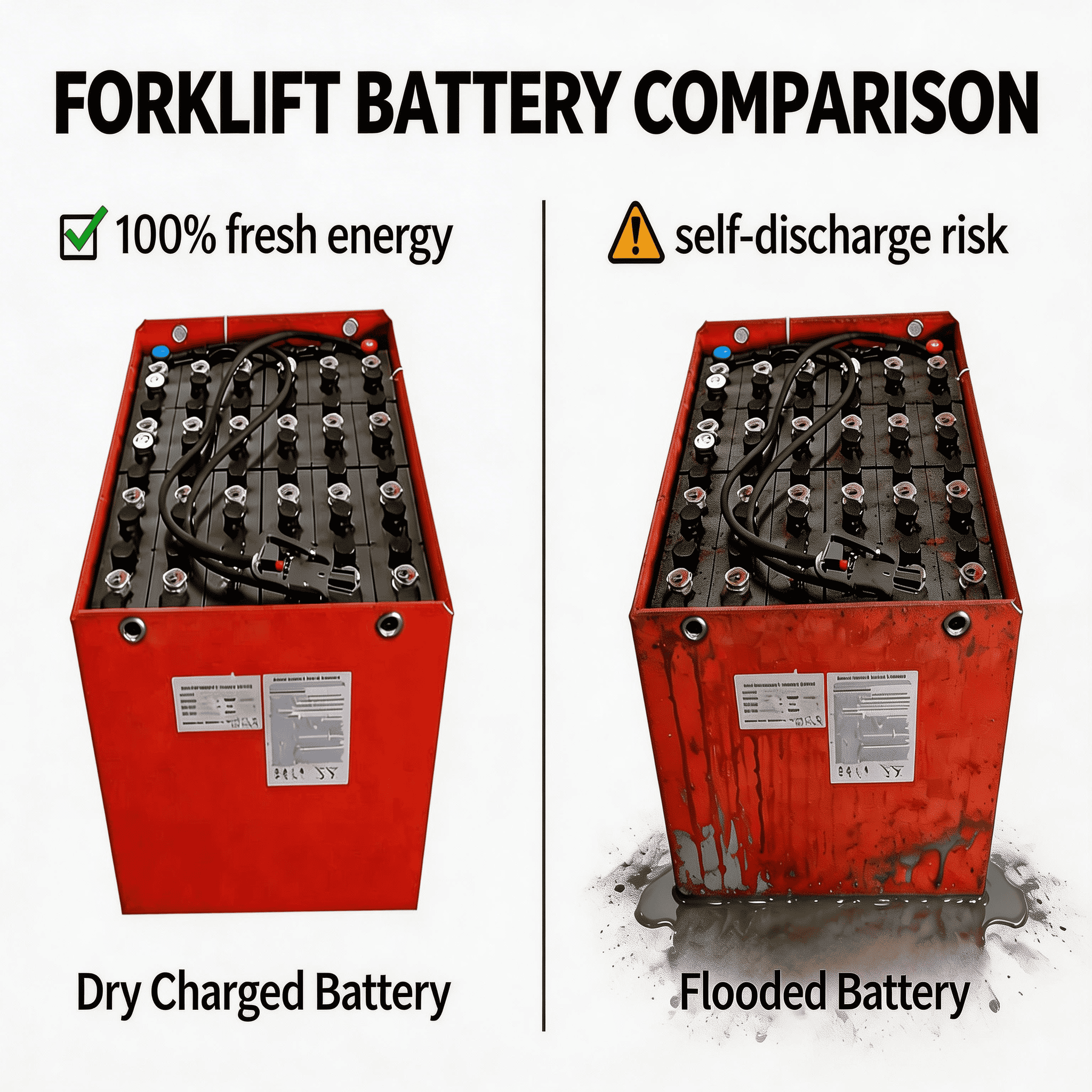
A standard flooded lead-acid battery is designed to operate at 25°C. For every 10°C increase above this baseline, the battery’s cycle life is cut in half. In tropical climates, charging a lead-acid battery generates excessive internal heat, causing the electrolyte to boil away rapidly. This requires constant watering, and if missed, leads to irreversible plate warping and catastrophic failure within 18 months.
ZOSPOWER’s Tropical Climate Solutions
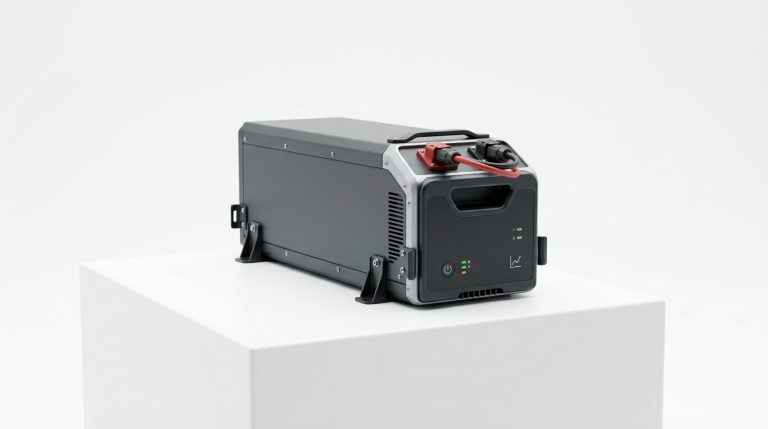
To combat extreme heat, ZOSPOWER has engineered specific lithium-ion (LiFePO4) solutions for tropical deployments:
- High-Temperature Tolerant Chemistry: Unlike NMC or Lead-Acid, LiFePO4 chemistry remains thermally stable up to incredibly high temperatures. It will not suffer the same rapid degradation or risk thermal runaway when operating in 45°C warehouses.
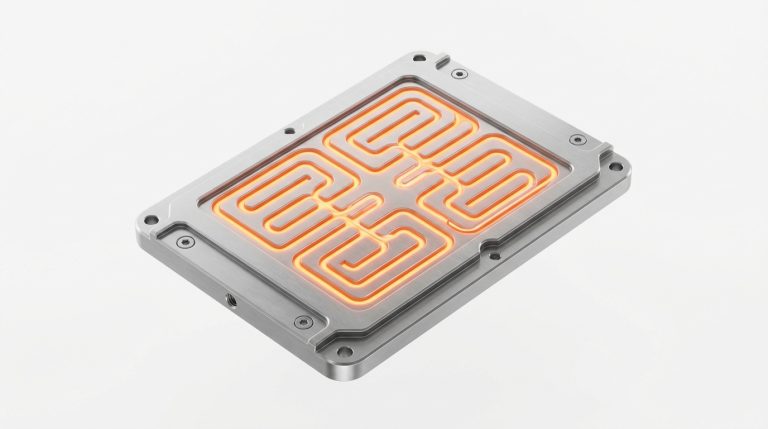
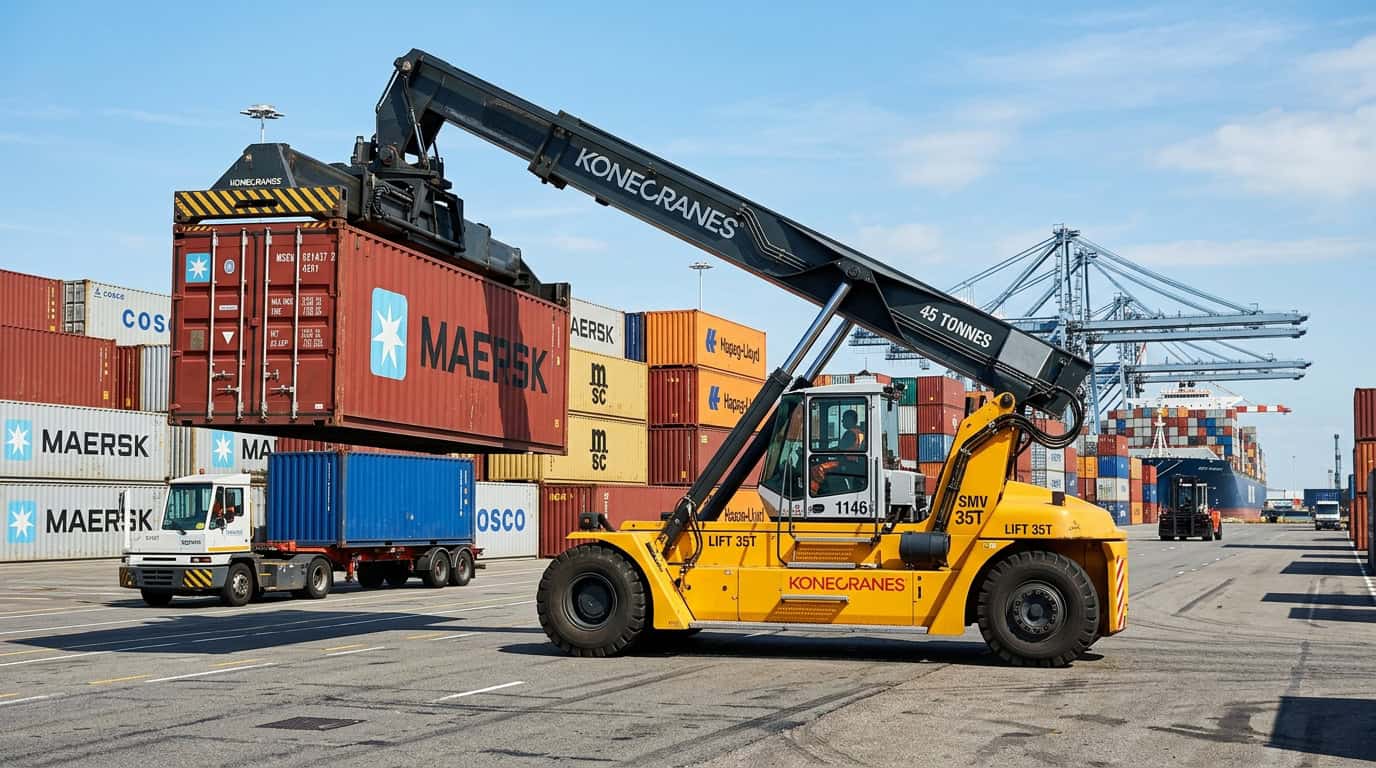
- Active Liquid Cooling Systems: For heavy-duty applications (like 35-ton reachstackers working in the tropical sun), ZOSPOWER integrates automotive-grade active liquid cooling. A chiller circulates coolant through the battery modules, keeping internal cell temperatures in the optimal 25°C to 30°C range, regardless of the outside weather.
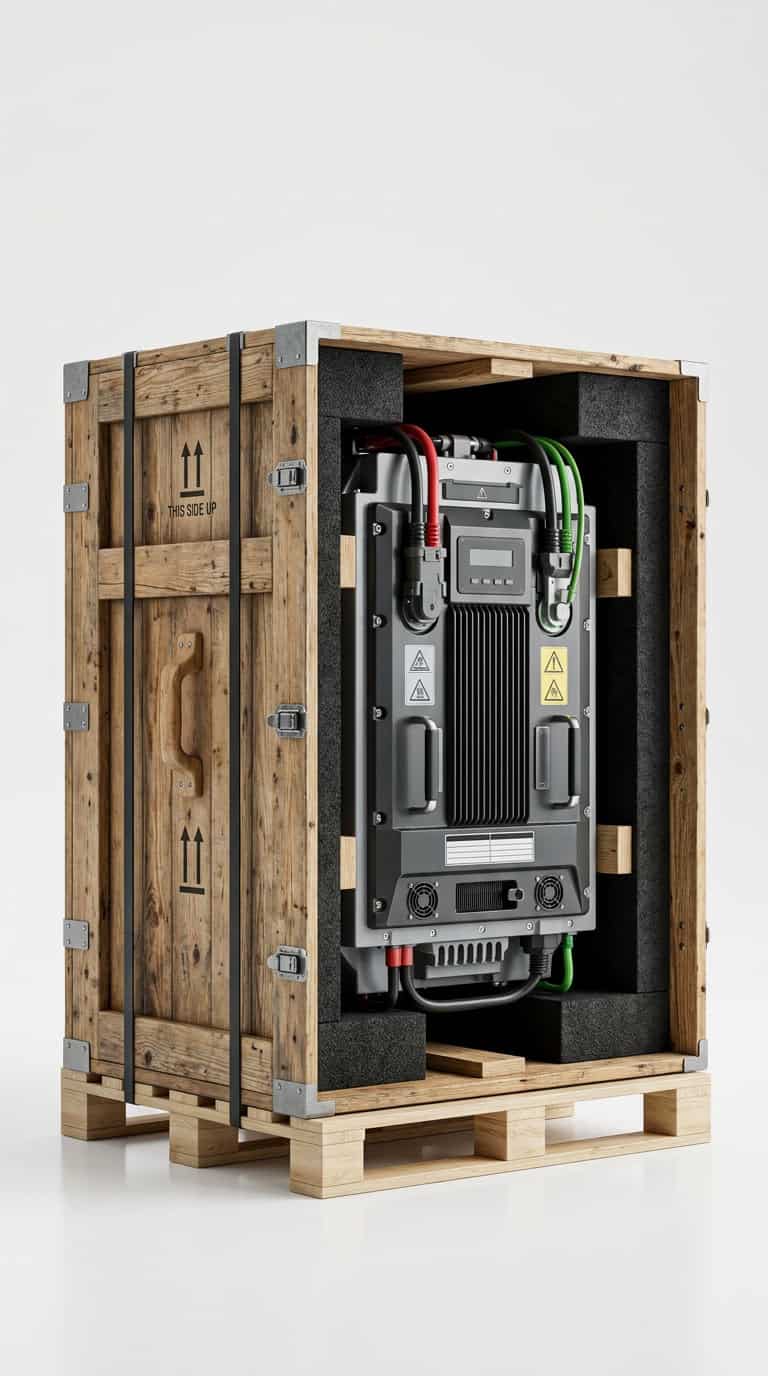
- Sellado hermético IP67: High humidity often means condensation and salty sea air (near ports). ZOSPOWER enclosures are sealed against moisture and salt ingress, preventing the terminal corrosion that plagues lead-acid systems.
Don’t let the weather destroy your fleet’s ROI. Upgrade to a power source built for the heat.